



In fine feather: defining luxury across the wine world
What does luxury look like around the globe, and which markets are offering wine brands the chance to spread their gilded wings? Eloise Feilden finds out.

“WHAT IS a luxury?” asks Grant Ashton, founder of private members’ club 67 Pall Mall. As the proprietor of a number of wine-focused private members’ clubs around the world, the success of his business hinges on getting the answer to this question right. A quick Google, and phrases like “expensive and beautiful”, “pleasant, but not necessary” and “exclusive and scarce” abound. When it comes to the world of wine, though, the answer comes down to context.
“There are some places where luxury is choice,” says Ashton. “I’m thinking about markets which are a long way away, like Australia.” He explains: “There’s a lot of wine that doesn’t actually make it to Australia. The actual availability of lots and lots of Italian and French and American wines is, by definition, a lot lower.” As such, in isolated markets like this, availability becomes the primary driver of perceptions of luxury.
It’s no surprise that consumer preferences down under are front-of-mind for Ashton; 67 Pall Mall’s latest club is set to open in Melbourne in 2026, and his team are in the final stages of preparation at the new site.
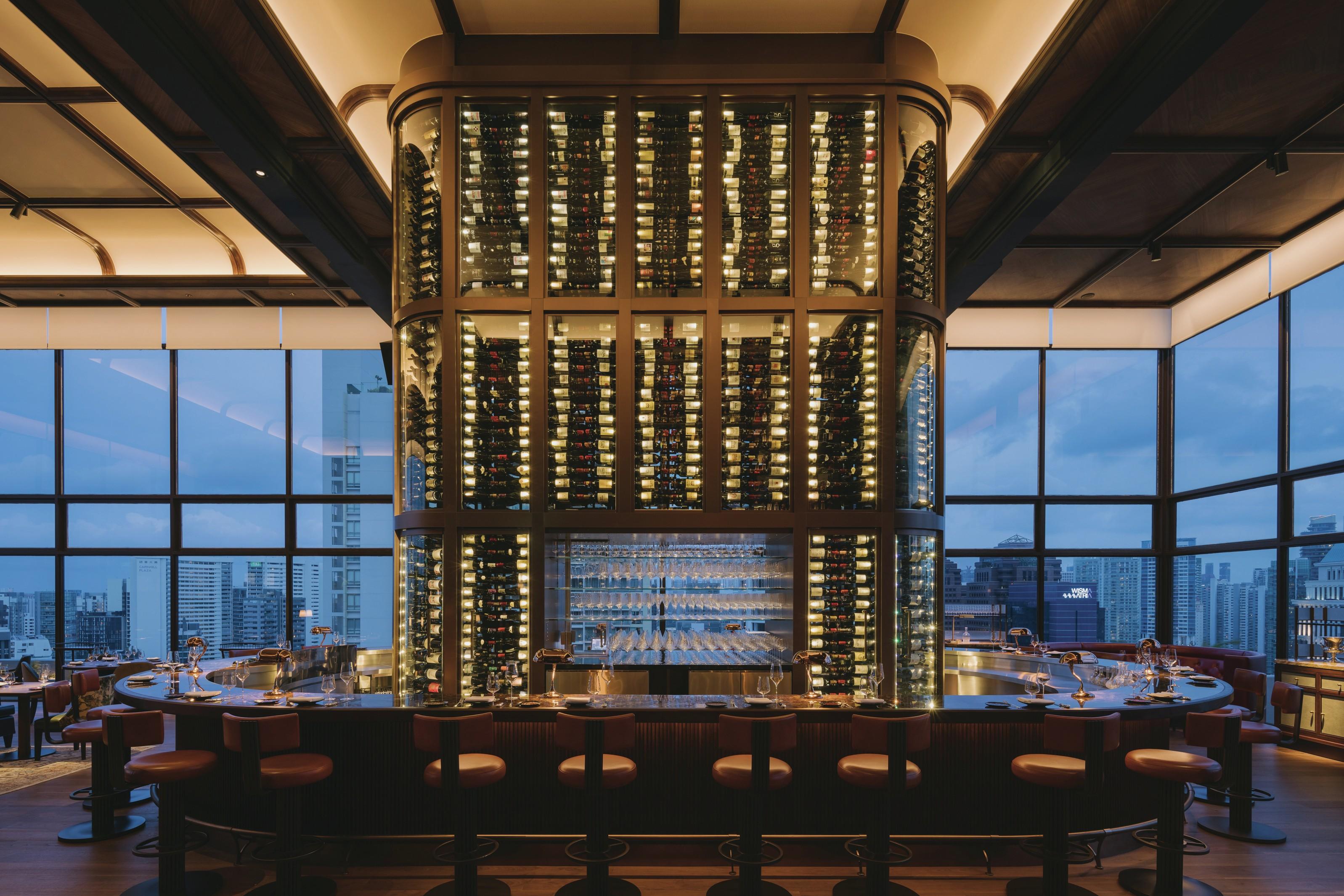
Since launching the flagship London club in 2015, Ashton has opened sites in Singapore and Verbier, with additional clubs planned or under development in Shanghai, Bordeaux and Beaune, as well as Australia, making Ashton well-versed in adapting to different consumers and their varying tastes.
Tax, as well as distance, has an impact on luxury tastes. Australia, for example, imposes a Wine Equalisation Tax (WET), equal to 29% of the wholesale value of wine, on all wine made, imported or sold by wholesale in the country – something Ashton believes creates a “major disincentive for the consumer”. As an operator, he asks: “Are you really going to spend an awful lot of money buying something on spec, shipping it 12,000 miles and then paying a lot of tax on it?” But go elsewhere, and the definition of luxury changes. “Luxury in Thailand would be being able to order a drink at 2.01 in a restaurant and not get fined,” he quips, referring to the country’s law which bans the sale of alcohol between 2pm and 5pm in certain venues.
Look to the UK, and “luxury experiences, uniqueness, money-can’tbuy experiences, money-can’tbuy bottles” and the “feeling of belonging to an exclusive group” motivate consumers in the luxury segment, according to James Simpson, MD of Pol Roger Portfolio.
As for the US, discovery has become synonymous with luxury spending. Sarah Heller MW explains: “I’ve noted a greater comfort here with novelty and confidence around personal taste: ‘I like big Cabs … My taste leans European.’ Many people’s sense of exclusivity comes from being in the know; the ultimate flex would be something like a tiny-production wine made by a cult winemaker with grapes from a cult vineyard.”
Heller is a relative newcomer to the US wine scene, having previously focused on Hong Kong and mainland China, and differences in taste are glaring. She describes these Asian markets as historically conservative, where “wine was typically consumed in relatively formal group settings, where classics carry more weight”. In recent years, consumers in Hong Kong and China have become more adventurous, “but when people really want to pull out the stops, it will typically be a heritage producer from Bordeaux, Burgundy or Champagne, or perhaps Piemonte or Tuscany.”
BRAND IS KING
Meanwhile, in less developed markets, brand remains king. Fine wine advisor Roland Peens describes the South African wine market as both “relatively new” and “unsophisticated”. Peens is director of Stellenbosch-based Wine Business Advisors and founder and director of Strauss & Co Fine Wine Auctions, a joint venture between Strauss & Co, WineCellar.co.za and Higgo Jacobs created to develop the secondary market for fine wine in South Africa.
“Brand is the most important factor, along with critic ratings, packaging and price,” Peens says. “Status is still particularly important in broad South African culture, again making branding extremely important.”
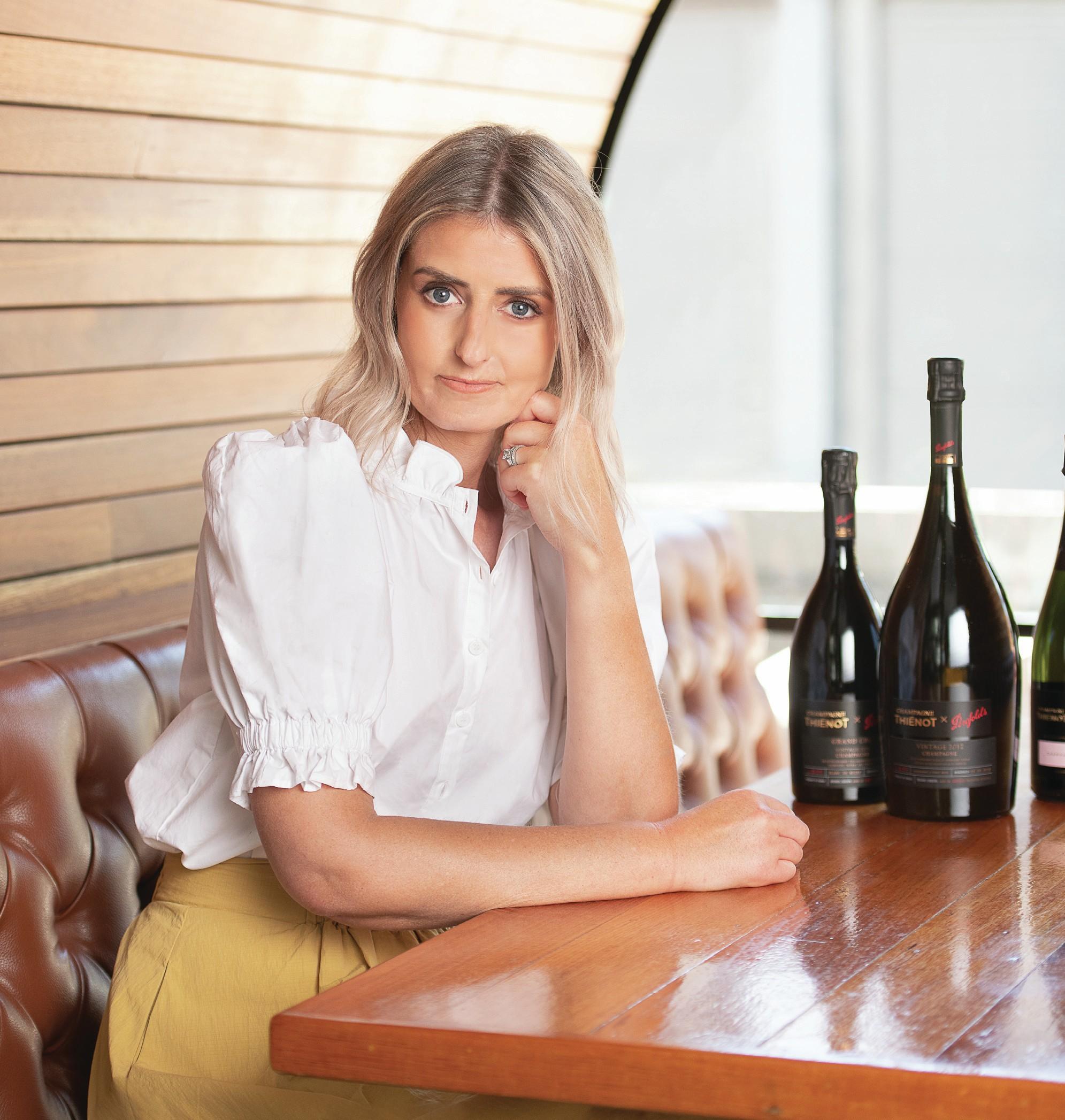
The same goes for less developed markets elsewhere. Francesca Martin is founding partner at brand building agency Nimbility, which operates across 13 markets in Asia. She agrees, saying: “In less developed markets, brand name plays an important role. Well-recognised, high-end wines can carry significant social signalling value in many Asian cultures.” India, for example, is all about the label. Ruchira Neotia, a drinks judge and writer specialising in the Indian market, says that, particularly within tier two and three cities, “flexing is still the norm – ie go bling or go home”.
This is particularly true of gifting in wealthy circles, where wine becomes “a symbol of sophistication and status”, making brand recognition and corresponding value recall “paramount”. But, even in relatively young markets, the definition of luxury is changing. Peens explains: “Today’s luxury market demands more, and wants to connect with the winemaker and understand the wine. Luxury is now exclusive membership and experience.”
In this way, the South African market is following a global trend. IWSR, which provides beverage alcohol data and insights, divides wines by price band, from low-cost all the way to ultra-premium, prestige and prestige-plus. The range of these price bands differs from market to market. In the US, IWSR’s most premium category includes wines (non-Champagne) priced at US$107.26 (£82.07) and above. In the UK, the cut-off is £195 or higher. In China, prestige-plus wines start at CNY1,575.01, or £169.46.
But, as Charlotte Reid, senior insights manager of global travel retail (GTR) at IWSR, points out, the price tag is rarely the sole luxury indicator. “In all markets, luxury is rarely defined by the money spent. Shoppers want an experience they can’t get anywhere else,” she says.
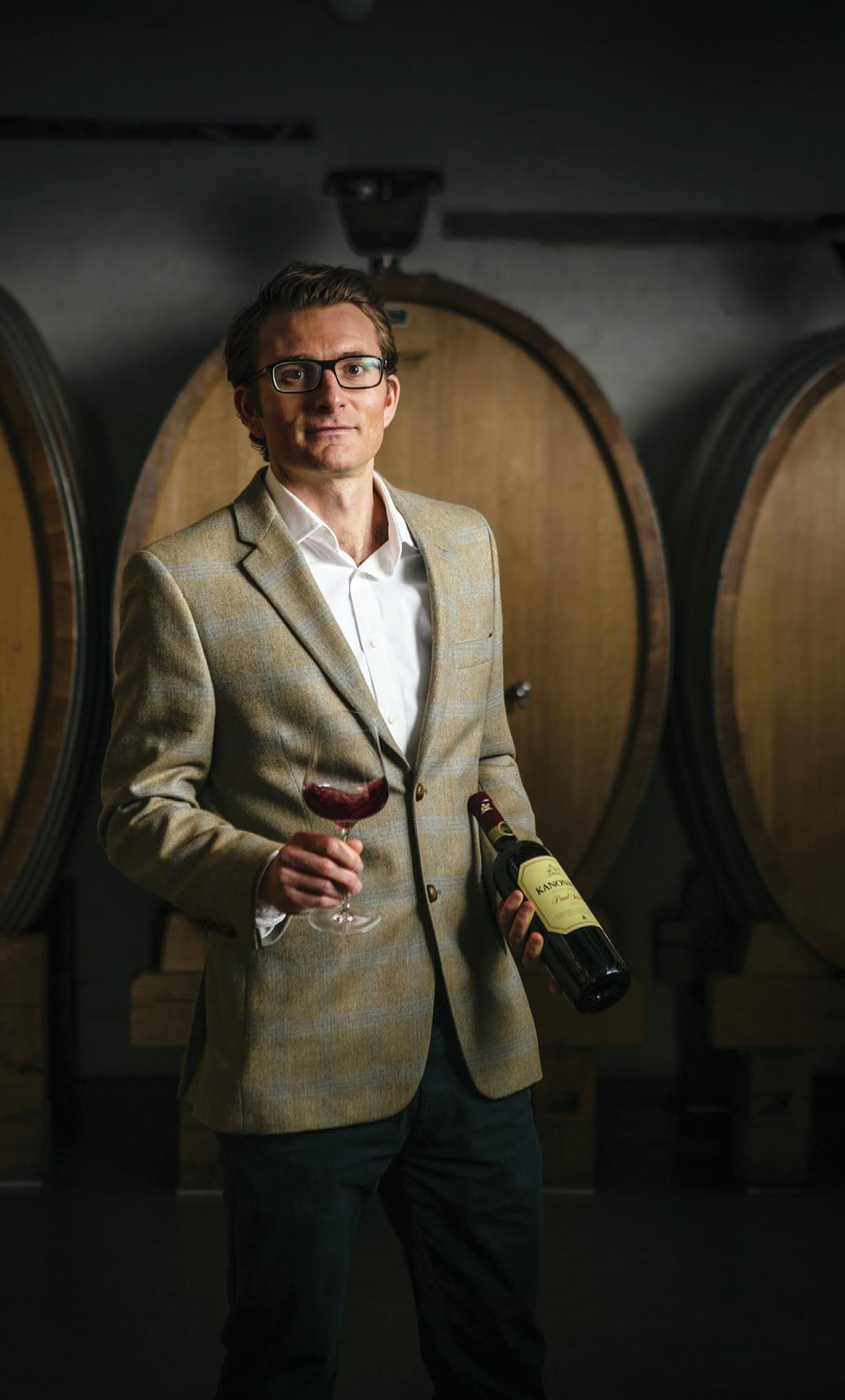
Kristy Keyte, chief marketing officer at Penfolds, says being “culture-led, disruptive and emotionally engaging” are the qualities which now make a luxury brand, “where once exclusivity and inaccessibility were the hallmarks”.
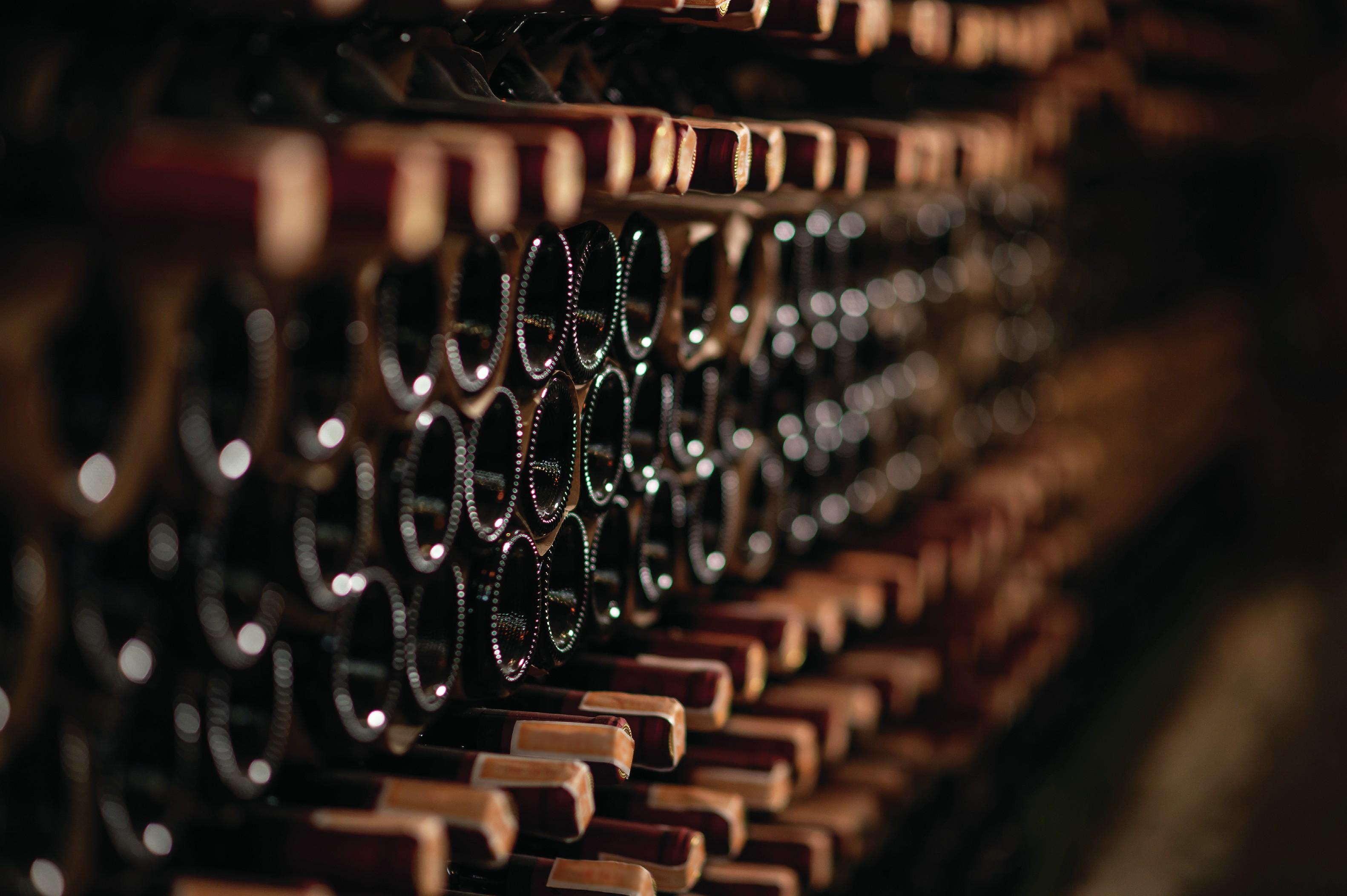
Gabriela Coutinho, marketing director at Kopke, Portugal’s oldest Port house, also recognises that “exclusivity and expense” aren’t the only factors which define a luxury product or experience any more. “We don’t believe that brands can simply launch a product and define it as luxury,” she says. “There are some characteristics necessary for a product to be eligible for that segment.”
Heritage, tradition, craftsmanship and expertise all add to what gives a brand luxury appeal, Coutinho says.
RAPID EVOLUTION
However, brands should be wary not to present a one-size-fits-all approach. The idea of luxury and the manner in which people are deciding to spend their discretionary income is evolving rapidly, but Adrian Bridge, CEO of Port and wine producer The Fladgate Partnership, warns that this evolution is not uniform. “Different countries are reshaping luxury according to cultural values, demographics, economic forces and tech,” he says, although he does see a common thread: “Across a lot of regions, luxury is moving from owning products to seeking experiences.”
Can wine brands keep up with this demand? Pol Roger Portfolio’s Simpson says that, “controversially”, he’s seeing consumers shift away from wine as a luxury asset in favour of products which better fit this trend.
“We need to rebuild the thirst right now,” he says, arguing that consumers are “busy running to experiences and other luxury commodities”, and risk leaving wine behind. If it’s going to keep up, “the wine trade needs to get better at improving the branding, packaging and experiential nature of its products”.

IS IT WORTH IT?
Economic uncertainty is exacerbating questions around wine’s appeal as a luxury asset. Indeed, IWSR recorded a 4% global decline in super-premium-and-above wine volumes between 2023 and 2024. The UK and US both saw 1% declines over this period.
“With economic pressures, consumers are pausing and asking: ‘Is this really worth it?’,” says Mandy Chan, co-founder of Hong Kong fine wine merchant Ginsberg+Chan.
Nimbility’s Martin is seeing the same trend across the 13 Asian markets in which the brand building agency operates. “We are definitely seeing a general trend of more conscious spending across the region, as well as trading down overall. Consumers seem to be prepared to still spend on luxury, but perhaps less often and with more consideration going into purchases.”
Mature markets are feeling the pressure. International trade tensions have had a particular impact on China and the US, where consumers have become “very wary of spending more to get the same thing, especially if it is because of tariffs”, Heller says.
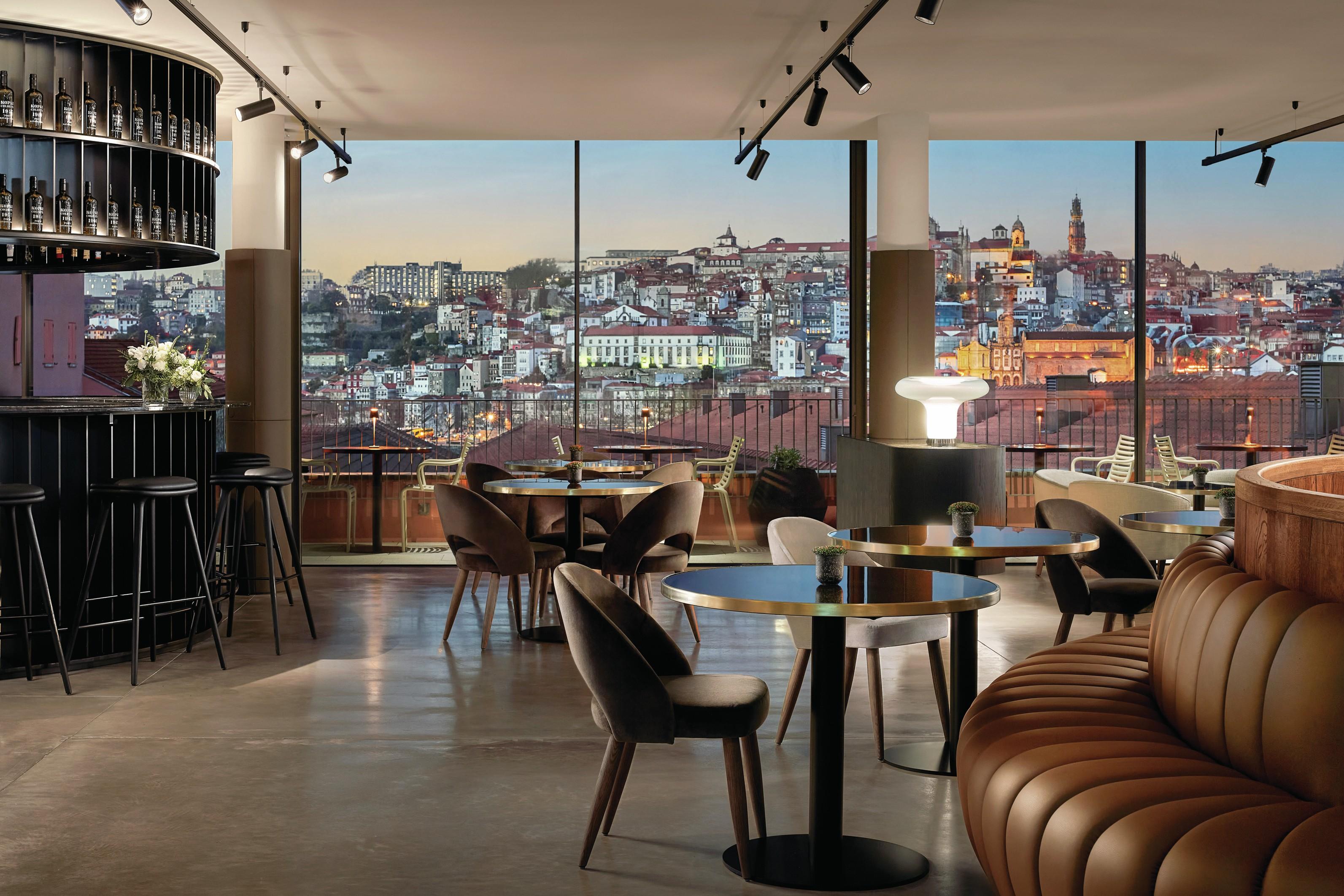
The same goes for Hong Kong, which Chan says is “not immune to global trends”, despite its relative resilience. “The reality is that the geopolitical tensions and economic uncertainty have made consumers more cautious overall,” she explains.
BUCKING THE TREND
However, as with any large-scale shift, there are those bucking the trend. Super-premium-and-above wine in Poland grew by 2% in volume year-on-year in 2024, according to IWSR. In Brazil, year-on-year growth was 5%. Croatia (+2%), Finland (+3%) and Turkey (+1%) also saw volume growth in super-premium-and-above wine over the same period.
Wine and Port producer Symington Family Estates has seen growing promise in Brazil, a country with a wine culture that has developed over the last decade. “The demand for higher-value items is building, so there is potential there, not only for consumption, but for luxury experiences linked to wine, gastronomy and culture,” says Charlotte Symington, a member of the family’s fifth generation and the company’s associate director of marketing.
INDIA: THE FUTURE
India, too, is “full of potential”, says the country’s only Master of Wine, Sonal Holland. Already the world’s fourth-largest economy with a GDP of US$4.3 trillion, India is “a young and energetic market powered by a booming economy”, Holland says. Boasting a population of over 1.4 billion people, nearly half of whom are above the legal drinking age, the country’s appetite for luxury is rising in line with increasing household incomes, Holland claims.
“The country’s luxury market is projected to reach a US$200bn valuation by 2030 [according to research by private equity firm Avendus], and wine has become an important part of this aspiration,” she says.
Five-star hotels, fine dining restaurants and private members’ clubs popping up in the country are predominantly to thank for this trend, says Amrita Singh, who founded the Sommeliers Association of India (SAI) in 2024.
Despite its relative nascency, India’s luxury wine market is on a steep upward trajectory. “Unlike traditional wine-drinking countries, India is still in the early stages of building a wine culture, yet the pace of adoption is remarkably fast,” Singh says – driven by “a growing middle and upper-middle class, increasing international exposure and a strong preference for experiential consumption”.
Elsewhere in Asia, the aspirational middle classes with increasing disposable incomes in China, Vietnam, Indonesia and the Philippines are creating opportunities for wine brands, says Nimbility’s Martin, by offering “a broad consumer base that can enter the luxury category, not just the ultra-wealthy elites”. Do these budding wine markets hold the future of luxury spending in their hands?
Grant Ashton certainly thinks so. “I’d rather be in a less developed market that has a thirst for knowledge; that’s a more interesting market,” he says. “If everybody’s there, and rents are really high and the competition’s high, it’s a pretty duff market to be in.”
Put simply: “If you’re out fishing, why compete when there’s 25 other boats out there looking for fish in the sea?”
Related news
Driverless tractors to GPS planting: how one New Zealand winery is paving the road to success


