



War has made Ukrainian wine ‘more visible’
Since Russia’s full-scale invasion in 2022, Ukraine’s wine industry has faced severe domestic challenges. However, according to Beykush Winery, international visibility and export interest have grown during the same period.
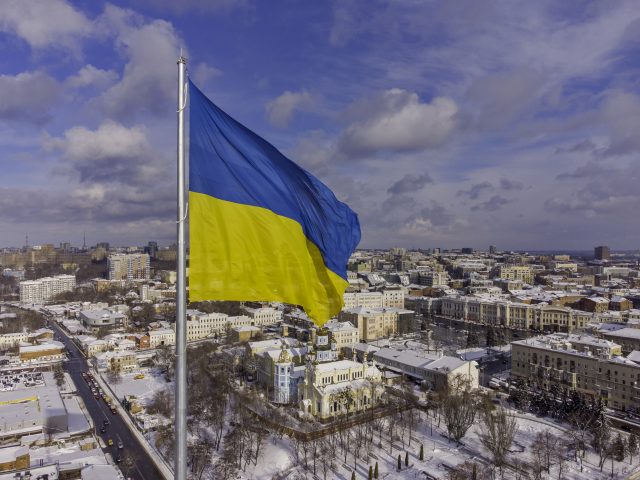
Despite severe disruption since Russia’s full-scale invasion of Ukraine in February 2022, the country’s wine industry continues to operate, rebuild and, in some areas, expand its global presence.
According to Svitlana Tsybak, CEO of Beykush Winery in the Mykolaiv region and president of the Ukrainian Association of Craft Winemakers, the current picture is defined by uncertainty at home but unexpected traction abroad.
“Despite facing unprecedented challenges since the start of the full-scale war, the Ukrainian wine industry has demonstrated remarkable resilience and adaptability,” Tsybak said, describing a domestic market under sustained pressure. “The sector operates under constant uncertainty.”
Southern regions, traditionally the heart of Ukrainian viticulture, have been among the worst affected. “Many vineyards and wineries have suffered direct damage, especially in the south, and some have lost infrastructure, harvests, or access to their own land,” she explained. Logistical challenges and higher costs remain commonplace, while domestic consumption has fallen as the wider economy and population have been disrupted.
A key transformation
USDA data reflects this contraction. Wine consumption in Ukraine dropped significantly in 2022 following the invasion, driven by population outflows, lower disposable incomes and temporary restrictions on alcohol sales under martial law, before stabilising in 2023 and 2024.
Against this backdrop, producers have had to adapt quickly. “At the same time, the war has accelerated an important transformation,” Tsybak noted. “Ukrainian producers have become more quality-driven, more focused on identity, and more united as a community.”
She added that many wineries continue to work through air raid alerts, power outages and labour shortages. “Many wineries continue to work under difficult conditions, maintaining production, investing in reconstruction, and preserving vineyards despite the risks. There is a strong motivation not only to survive but to improve.”
Partner Content


This determination echoes statements from Wines of Ukraine, which has documented widespread damage to vineyards and civilian infrastructure but stresses that producers continue to work “to protect our land, language and identity”.
While the domestic market remains fragile, Tsybak said export demand tells a different story. “In export markets, the picture is surprisingly positive,” she said. “International interest in Ukrainian wines has grown significantly since 2022.”
She pointed to growing attention from importers, sommeliers and the media. “Importers, journalists, and consumers are increasingly curious about our indigenous grape varieties, our modern winemaking style, and the stories behind the producers.”
That interest has translated into practical gains. “Ukrainian wines are now entering new markets, gaining listings at reputable venues, and receiving recognition at international competitions,” Tsybak said, adding: “The war has, in a paradoxical way, made Ukraine more visible on the global wine map.”
CNN reported last month that Ukrainian producers and advocates have been working actively overseas to maintain visibility, with new importers emerging in markets such as the UK. The broadcaster also highlighted how winemakers see wine as part of a broader effort to preserve cultural identity during the conflict.
Adapting and looking ahead despite conflict
USDA figures support the idea of an industry adapting rather than disappearing. Although total vineyard area shrank sharply in 2022, exports of both domestic and bottled foreign wines into Ukraine rebounded as logistics stabilised, and per-capita wine consumption has begun to grow again from a lower base.
For Tsybak, however, the story is less about recovery metrics than long-term direction. “There is a strong motivation not only to survive but to improve,” she said, emphasising that quality, authenticity and regional identity are now central to how Ukrainian producers position themselves internationally.
As the war continues, that dual reality — domestic hardship alongside export opportunity — is likely to define Ukrainian wine for the foreseeable future.
Related news
Golden Vines scholarships open to wine professionals affected by conflict
Stoli appoints trustees and averts liquidation
Ukrainian vodka launches artillery case edition supporting demining work


