



db wrapped: the biggest drinks stories of 2025
From the price of a pint to the price of principle, 2025 showed that the drinks world never lacks drama. Here are db’s 10 most-read stories of the past year, each filling comment sections and drawing readers in.
The £5 pint becomes the national norm
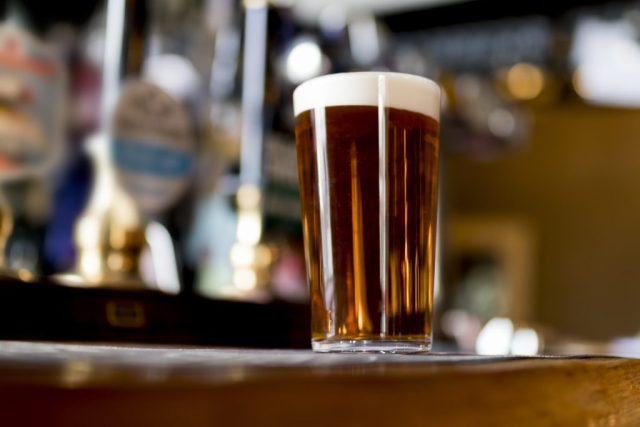
The average price of a pint in the UK rose to about £5.17, with England, Wales and Scotland all feeling the squeeze as taxes and utility costs bit hard. London remained the most expensive at £6.10 on average while the Midlands stayed the cheapest at £4.68, a reminder that geography now matters almost as much as thirst.
Behind the numbers sat a deeper unease. More than 400 pubs across England and Wales disappeared in a year, and as beer prices climbed, Pete Brown warned that price no longer tracked quality, leaving drinkers paying more without drinking better.
BrewDog quietly exits nearly 2,000 pubs
Over two years, Punk IPA vanished from 1,980 pubs, a 52.3% fall in distribution that told a sobering story for Britain’s once loudest craft insurgent. Most of the losses came from large pub groups narrowing their ranges as margins tightened.
Lauren Carroll, chief operating officer, insisted this was not just a BrewDog problem but a pressure felt by all independent brewers. But reliance on JD Wetherspoon cast a long shadow, turning punk bravado to commercial vulnerability.
Alcohol free beer demands a rebrand
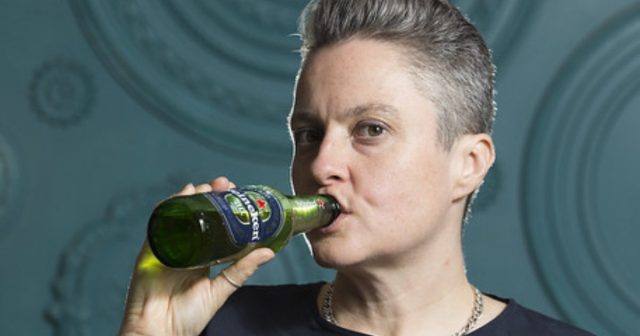
Laura Willoughby MBE argued that alcohol free beer should be sold for what it gives rather than what it lacks, calling it a functional drink rather than a compromise. Speaking about Big Drop Galactic Stout at 0.5% abv, she praised its natural brewing method and the pleasure it brought without penalty.
She pointed to Spain, where alcohol free beer makes up 16% of the market and is drunk to rehydrate on hot days. In the UK, she suggested, the category’s future lay beside vitamin supplements rather than in the shadows of abstinence.
Napa’s most expensive neighbour dispute
Quantum Limit sued Okell Holdings over a wall of redwood trees planted feet from its Cabernet Sauvignon vines, claiming the trees threatened shading, invasive roots and unwanted forest floor flavours. Owner Glenn Rice likened the act to dropping a bunker buster bomb into a tightly managed vineyard.
At stake was not just a block producing bottles priced at US$145 but a question of precedent. The case, expected within two years, raised fears about how far neighbourly conduct might stretch in Napa’s most prized terroirs.
The man behind America’s favourite Chardonnay bows out
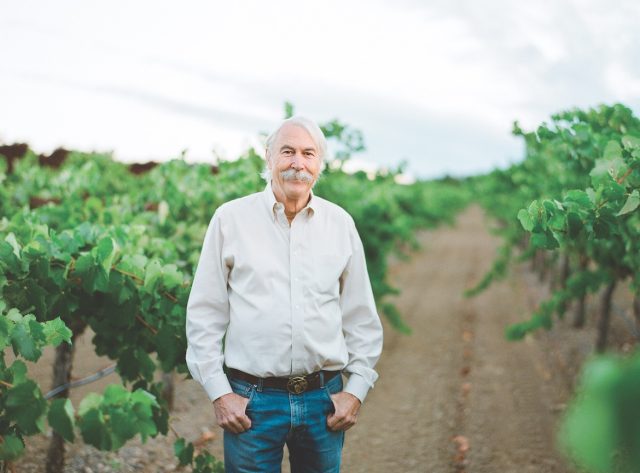
Randy Ullom retired after 32 years with Jackson Family Wines, leaving behind Kendall Jackson Vintner’s Reserve as America’s number one selling Chardonnay for three decades. His career spanned Michigan home winemaking, Chilean vineyards and a global portfolio that reached as far as England.
Partner Content



Barbara Banke described him as family, crediting him with turning a label into a household name. Ullom himself took pride in building teams rather than trophies.
Where exactly is your beer brewed?
David Jesudason asked why some craft brewers now cloak their brewing locations in secrecy, using silence and suggestion to imply continental glamour. One unnamed beer, British-made yet marketed as German, became a case study in misplaced embarrassment.
The question cut to the heart of trust. If craft once meant transparency, the reluctance to state provenance risked making all British beer feel suspect, a strange outcome for a category built on honesty.
Jeremy Clarkson’s banned advert that was never banned
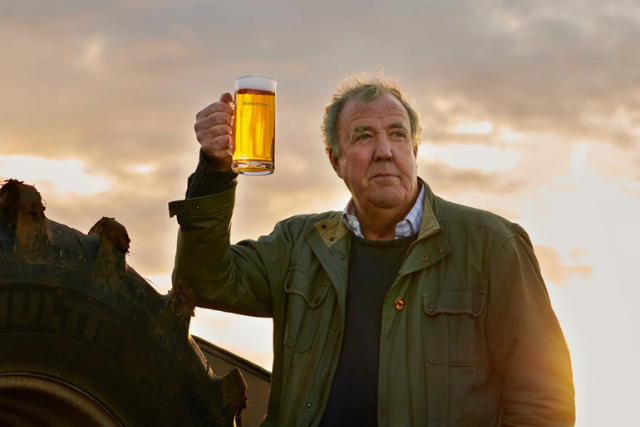
Speaking of honesty, Clarkson claimed regulators had banned his Hawkstone lager advert, only for the ASA and Clearcast to confirm they had never seen it. Within 24 hours, the supposedly suppressed film clocked more than half a million views.
The trick worked because it fitted the persona. Hawkstone’s sales have grown 142.88% over three years to nearly £8 million in turnover, proving that outrage, even manufactured, can still sell a decent pint.
Sommeliers show Champagne the door to the flute cupboard
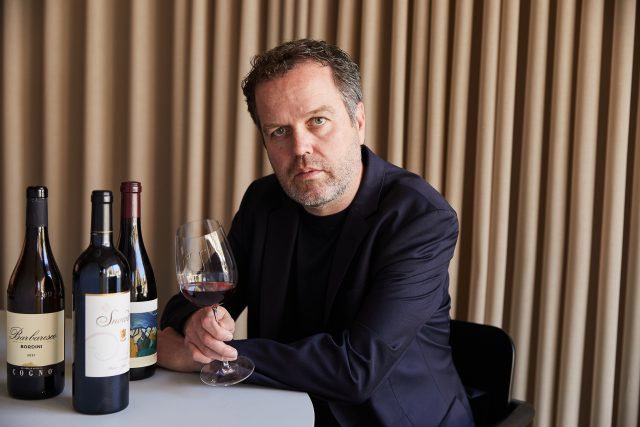
Pierre Emmanuel Taittinger defended the flute as Champagne’s rightful vessel, likening it to a bow tie. Sommeliers quietly disagreed, favouring larger glasses that allowed aroma and texture to breathe.
From London to Glasgow, the flute has become optional rather than sacred. Ceremony still matters, but flavour now leads the conversation, with Champagne treated as wine first and symbol second.
Inside the 2025 Master of Wine exams
The Institute of Masters of Wine released the wines and questions that tested candidates from climate-resilient rootstocks to cancer warnings on labels. Tastings ranged from Barefoot Buttery Chardonnay to Henriques & Henriques Malvasia and theory papers roamed freely across ethics, AI and global consumption.
The breadth was the point. The exams revealed a qualification less concerned with rote prestige than with how wine survives a changing world.
Terence Stamp and the wine that paid the bills
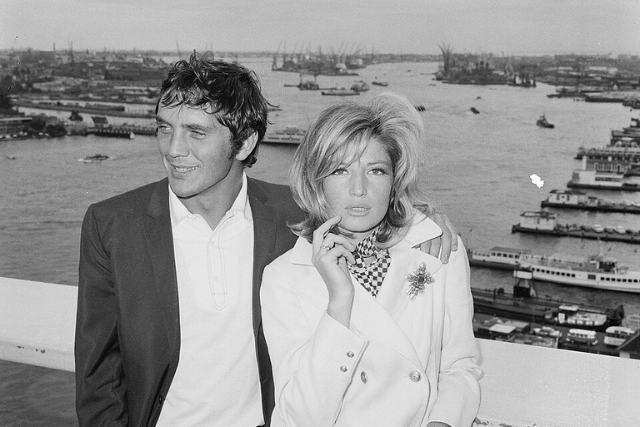
In the 1960s, Terence Stamp bought several dozen cases of Château d’Yquem and then stopped drinking altogether. When work dried up in the 1970s and again in the 1990s, selling a case at a time kept him afloat.
It was an accidental masterclass in long-term value, proving that the right wine can sometimes be more reliable than a film contract.
Related news
Top 10 spritzes to drink this summer


