



Champagne’s split market revealed
LVMH-backed brands lead Champagne’s popularity rankings, but family-owned houses offer higher average quality at lower prices, according to a new industry study by Wine Lister.
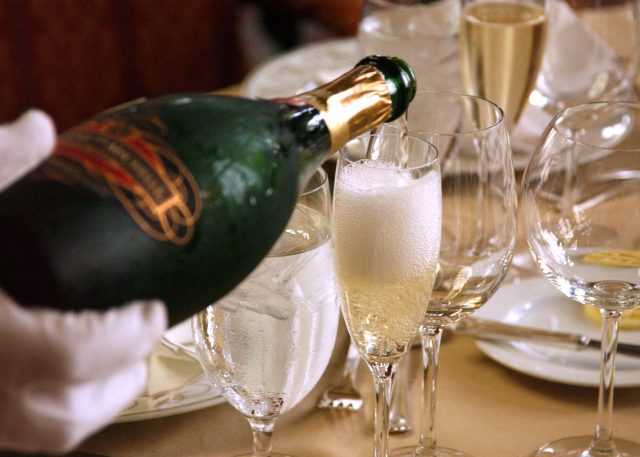
A new Champagne Study Digest 2025, titled In Victory and Defeat, has highlighted a clear divide between brand power and perceived quality within the Champagne market.
The study is informed by an annual survey of 50 CEOs, managing directors and wine department heads from companies representing well over one-third of global fine wine revenues. Its aim is to assess Champagne’s performance over the past year and identify opportunities for the region in 2026.
Corporate backing drives popularity
In the ranking of the top 10 most popular Champagne estates, all of the top five producers are owned in part by LVMH, underlining the marketing reach of the luxury goods group. Of the LVMH-owned houses included in the study, Krug is the only one not to make the top five, instead placing 14th overall.
Despite the dominance of large corporate groups at the top of the popularity rankings, family-owned houses continue to perform strongly. Billecart-Salmon, Bollinger, Laurent-Perrier, Louis Roederer, Pommery and Taittinger all appear within the overall top 10 most popular estates.
Popularity in the study is measured using Google search volumes over the past year, based on average monthly searches.
Quality, price and market presence
The report also compares quality, price and market presence across 55 Champagne producers, including 11 grower Champagnes, 18 family-owned maisons and 26 Grandes Marques.
Partner Content
According to the findings, family-owned Champagne houses deliver the highest average quality scores while also offering the lowest prices on average. They also record the largest number of trade listings globally, yet generate the fewest online searches.
By contrast, the biggest Champagne brands attract the highest levels of online search interest and command higher prices, while recording the lowest average critics’ scores in the study. Grower Champagnes consistently sit between the two groups across all measured categories, including quality, popularity, price and market presence.
Critics’ scores
The study analyses average critics’ scores using ratings from Bettane+Desseauve, Le Figaro Vin, JancisRobinson.com and Vinous, identifying the 20 highest-scoring wines and highlighting a top 10 within that group.
Twelve different producers are represented among the top 20 highest-scoring wines. Krug, Dom Pérignon and Jacques Selosse each have three wines included, while Louis Roederer and Bollinger each feature twice. All other producers appear once.
Jacques Selosse is the only grower Champagne represented in the ranking. Of the 23 non-vintage Champagnes included in the wider study, just two appear among the top 20 highest-scoring wines, both from Jacques Selosse. The study also notes that only Vinous has tasted Krug Clos d’Ambonnay, with both the 2006 and 2008 vintages scored.
The full report positions its findings as a snapshot of a Champagne market shaped by strong brand visibility on one hand and value-driven quality on the other, as the region looks ahead to 2026.
Related news
Ruinart enlists Tadashi Kawamata for 2026 Conversations with Nature series
Why Champagne performed better in 2025 than the figures suggest
Alice Tétienne steers Champagne Henriot to a sustainable future


