



The Big Interview: Santiago Mora
Santiago Mora, director general of DO Rueda, tells Sarah Neish about the next phase of attack for the biggest player in Spanish white wine.
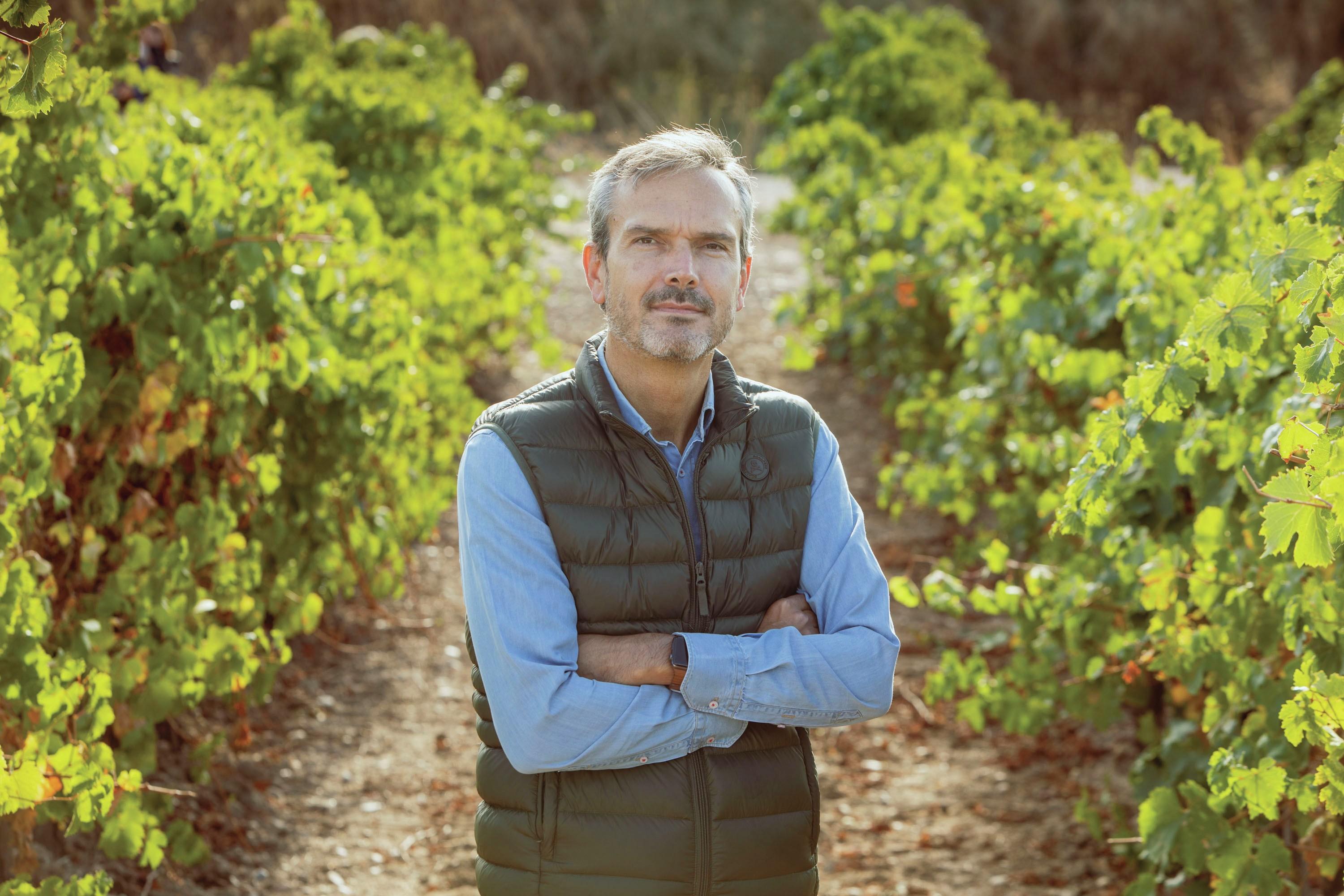
There can be no doubt that changing consumer preferences have turned the wine industry upside down, especially in Spain, where hero grape Tempranillo was being idolised long before the Romans rocked up on Spanish shores bleating on about Bacchus. With modern wine drinkers increasingly turning away from reds and demanding more bottles of white, many winemaking regions across the globe are spinning their wheels trying to play catch-up. Not so Rueda.
As statistics go, this one is pretty telling. Of the 138,568,850kg of grapes harvested in Rueda this year, 138,199,786kg of those will be used to make white wine. Here’s another one – of the white wines produced, 88% will be Verdejo.
Consequently, Santiago Mora, director general of DO Rueda, is currently perched at the top of the tree for Spanish white wine, an enviable position for those in the trade who snubbed whites as somehow less worthy than their red counterparts.
“The white wine industry is different to the red wine industry,” Mora tells db. “With white wines you convert your wine into money in a very short period of time, so producers are not so willing to invest in long-term, multi-year plans.”
In other words, if you don’t already have skin in the game, it’s not going to be easy to compete in the market.
Number crunching
Number crunching is something Mora knows all too well, having arrived in the wine industry from a previous role in finance, securing international investment in the Spanish region Castilla y León. DO Rueda sits within the cradle of Castilla y León, spanning the sub-zones of Valladolid, Segovia and Ávila.
Having segued into wine, Mora embarked on his WSET Level 3 qualification to bring himself up to speed, but as we speak he joyfully shuffles spreadsheets swimming with figures documenting Rueda’s growth both at home and abroad – a reminder that his previous day job is never far from mind.
“Currently, 75% of funding for DO Rueda comes from the region’s producers, with a further 25% coming via grants from the public sector,” Mora explains. “For example, all the work we’ve been doing to increase awareness of Rueda wines in the UK and the US markets has been funded by public grants.”
We ride at dawn
Finance bods tend to have strong opinions regarding risk, and Mora perhaps belongs in the ‘medium-risk’ camp. He may have chosen to head up a wine appellation with all its eggs in one basket (due to such a large portion of its production being dedicated to just one grape – Verdejo), but he is not going full “We ride at dawn!” as he gallops towards a climate-related disaster. There is, he says, a back-up plan.
“Climate change is here to stay, but so far we are well defended – Verdejo has been here for the last 1,000 years and has dealt with everything that has happened in that time. But we have to be ready,” he says. “For that reason, we have recently incorporated new white varieties into the DO rules, including Viura, Viognier and Chardonnay, though for Chardonnay we are focusing on it mostly for sparkling wines. From the 2024 vintage onwards, producers will be able to make a 100% Viura wine, for example, or a 100% Viognier, which is something totally new for Rueda.”
Mora plans to carefully monitor producer uptake of these newly rubberstamped grapes, as well as the market response to the varietal wines.
“An appellation should pay attention always to what its growers are doing and whether the market values these new incorporations,” he insists. “You cannot be blind.”
New plantings are not permitted under DO Rueda rules. However, grubbing up existing vineyards and replacing vines with new plants is allowed, so time will tell whether Rueda’s vineyard will see significant changes in the coming years as a result of these additions.
Creeping up on New Zealand
Something that suggests a transformation might be on the cards is a big flashing neon sign lighting up a looming gap in the market for one of the world’s most popular white grapes – Sauvignon Blanc. In October, New Zealand Winegrowers revealed in its annual report that wine exports from the Antipodean nation had fallen by 22% in the second half of 2023, due partially to a heavy domestic tax slapped on producers to help the government “recover costs linked to alcohol-related harm”.
The fact of the matter is that Brits have bought less New Zealand Sauvignon Blanc in the last 12 months than they have done in any of the last few preceding years. Meanwhile, Rueda has “more than doubled” its exports to the UK this year, growing from 400,000 bottles to 850,000 bottles, according to Mora’s spreadsheets.
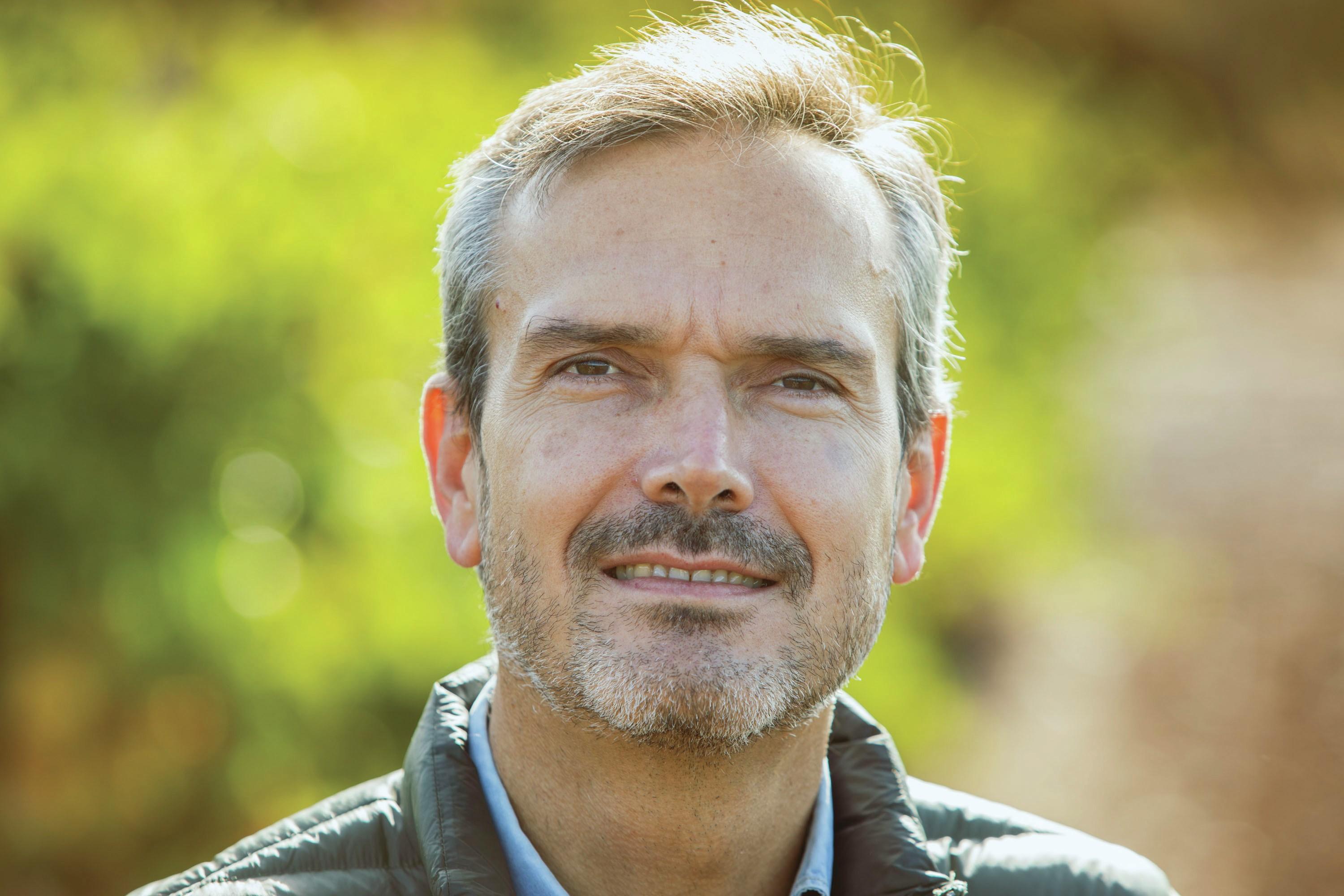
“We are capitalising on the opportunity right now,” he says, adding that Rueda plans to drive home messages of “quality, consistency and value for money” to give its Sauvignon a push.
Mora is clearly up for the fight, describing Rueda Sauvignon as being “cheaper than New Zealand but not as cheap as Chile”, and espousing the “exceptional quality” of this year ’s harvest. Indeed, all the stars happened to align in 2024 to make this year Rueda’s “best harvest ever for Sauvignon Blanc”, he says. Plentiful rainfall spread evenly throughout the year meant this “usually difficult grape” suddenly became “very easy to work with”.
Gran Vino de Rueda
A further growth area for Rueda is its recently green-lit Gran Vino de Rueda classification. Introduced in 2020, it is still finding its feet.
“Rueda has been a total success in Spain for a long time now, and no-one can say otherwise,” says Mora. “Our strategy was always to uplift and cement the reputation of Rueda Verdejo as a single entity. Now we want to give winemakers the chance to differentiate themselves and express their own personalities. It’s the next step. Gran Vino de Rueda wines are about having the best raw material to make whatever you want.”
Providing that wines are made from vines that are a minimum of 30 years old, yielding no more than 6,500kg per hectare, with bottles spending at least one year in the winery before release, producers are free to experiment. What has the take-up been from winemakers since this new quality tier launched?
“Around 30 Rueda producers currently make Gran Vino de Rueda wines, with 200,000 bottles of Gran Vino wine bottled this year (January-October),” says Mora.
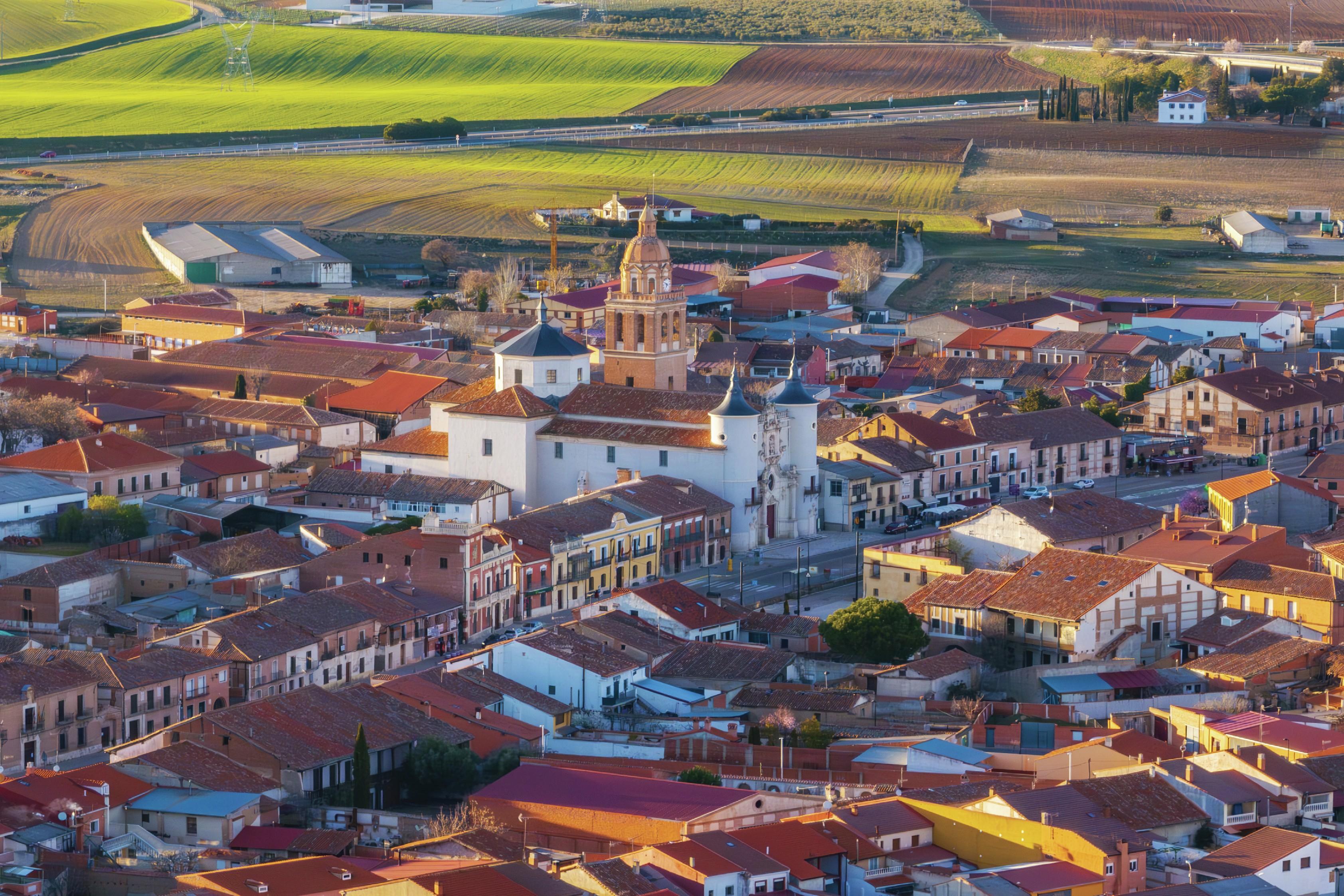
Designed to showcase the stylistic potential of the region, Gran Vino de Rueda wines tend to retail for around £20 per bottle. “We don’t want a commercial product, just the best. And total freedom for the winemakers,” says Mora, though he admits that in the coming years he hopes collectors will start to trade Gran Vino de Rueda bottles on the secondary market. Around 10 Gran Vino wines have trickled through to the UK market so far, with more anticipated to come.
“It’s still a young category,” he says.
In a similar way that Barossa Valley winemakers like to play on the magic of their old vines in their marketing material, Rueda winemakers are starting to signify the age of their vineyards by using the term “prefiloxerico” (pre-phylloxera) on their labels.
“Rueda is one of the few DOs in Europe, specialising in white wine, that has pre-phylloxera vines,” explains Mora on this important selling point. Rías Baixas in Galicia has some pre-phylloxera Albariño vineyards, but the region’s presence on the global stage, while growing, is a fraction of Rueda’s. Furthermore, Mora alludes to in-depth studies being made into the ageing potential of Verdejo, which could lend another string to the bow of Gran Vino de Rueda wines. As DO Rueda sneaks up on its half-century birthday (it will be 50 years old in 2030), what does the future look like for this Spanish white wine leader?
“In the next five years we would like the focus to be much more on our producers than on the DO itself,” says Mora modestly. “Up until now, we have been preoccupied with getting people to order ‘a glass of Rueda’ at a bar. Now it’s time for individual producers to shine.”
Related news
The Big Interview: Jacques-Olivier Pesme


