Saudi Arabia to expand access to alcohol with new stores for foreign residents
By Sophie Arundel
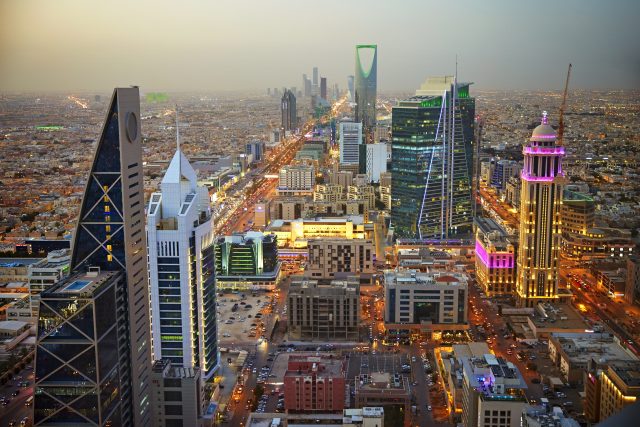
Saudi Arabia is preparing to open new alcohol outlets in Jeddah and the Eastern Province as it cautiously widens access for certain non-Muslim residents. The move marks another step in Crown Prince Mohammed bin Salman’s ongoing social reforms.
Saudi Arabia plans to open two new alcohol stores, including one inside an Aramco compound in Dhahran and another for diplomats in Jeddah, Reuters reported, citing people briefed on the plans.
The Dhahran store will operate within accommodation owned by Aramco and will be accessible to non-Muslim staff working for the energy giant, according to one source. Two other sources told Reuters that a separate outlet is planned for non-Muslim diplomats in Jeddah, where many countries maintain consulates.
Both stores are expected to open in 2026, although no official timetable has been confirmed. Saudi authorities have not publicly commented on the plans, and Aramco declined to comment when approached.
The expansion follows the launch of the kingdom’s first modern-era alcohol shop, opened last year in Riyadh for non-Muslim diplomats. That outlet — known informally among some diplomats as the “booze bunker” — marked the first such opening since alcohol was banned 73 years ago.
Access widens for Premium Residency holders
Access to the Riyadh store has recently expanded to include non-Muslims with Premium Residency status, Reuters reported. These residencies are granted to entrepreneurs, major investors and individuals with specialist skills.
Bloomberg reported that Premium Residency holders have already used the Riyadh outlet, citing a foreign resident who confirmed they had purchased alcohol there.
Before the Riyadh store opened, alcohol in the kingdom was largely restricted to diplomatic mail, the black market or home production.
Work on the new stores in Jeddah and in the east also reflects a broader shift: Saudi Arabia is quietly widening access to alcohol for some foreign residents as it moves to make the kingdom a more attractive place to live and work. Bloomberg noted that easing restrictions aligns with the Vision 2030 agenda to draw global talent and diversify the economy.
Saudi Arabia remains the birthplace of Islam and home to its holiest sites, and the leadership continues to move cautiously on alcohol policy. While alcohol remains prohibited for the vast majority of residents, the reforms fit within a wider social transformation led by Crown Prince Mohammed bin Salman.
Measures over recent years have included allowing women to drive, permitting public entertainment and relaxing rules on gender segregation. The religious police — once a powerful force in enforcing conservative norms — now hold significantly reduced authority.
Tourism ambitions remain balanced with cultural sensitivities
The kingdom aims to expand its tourism sector through developments such as the Red Sea Global project, which plans to open 17 new hotels by next May. These resorts remain alcohol-free.
Saudi officials have repeatedly stressed that no official policy change has been announced regarding alcohol in tourist settings. In May, an unverified report suggesting the kingdom was preparing to allow alcohol sales for tourists — circulated after appearing on a wine blog — was denied by a Saudi official.
Speaking to Reuters this month, Tourism Minister Ahmed Al-Khateeb said: “We do understand that some of the international travellers want to enjoy alcohol when they visit the Saudi destinations but nothing has changed yet.” When asked whether “yet” implied future change, he replied: “I will leave it to you on how to elaborate on it.”
As Saudi Arabia prepares to host the 2034 FIFA World Cup, the pace of social liberalisation continues to attract intense public debate. While progress on entertainment and lifestyle restrictions has been rapid, changes around alcohol remain measured — with the latest developments focused strictly on controlled access for non-Muslim foreigners.