



Sake’s adoption is growing beyond Japanese restaurants
Nimmi Malhotra travels to an international sommelier competition to find out why sommeliers around the world are embracing sake.
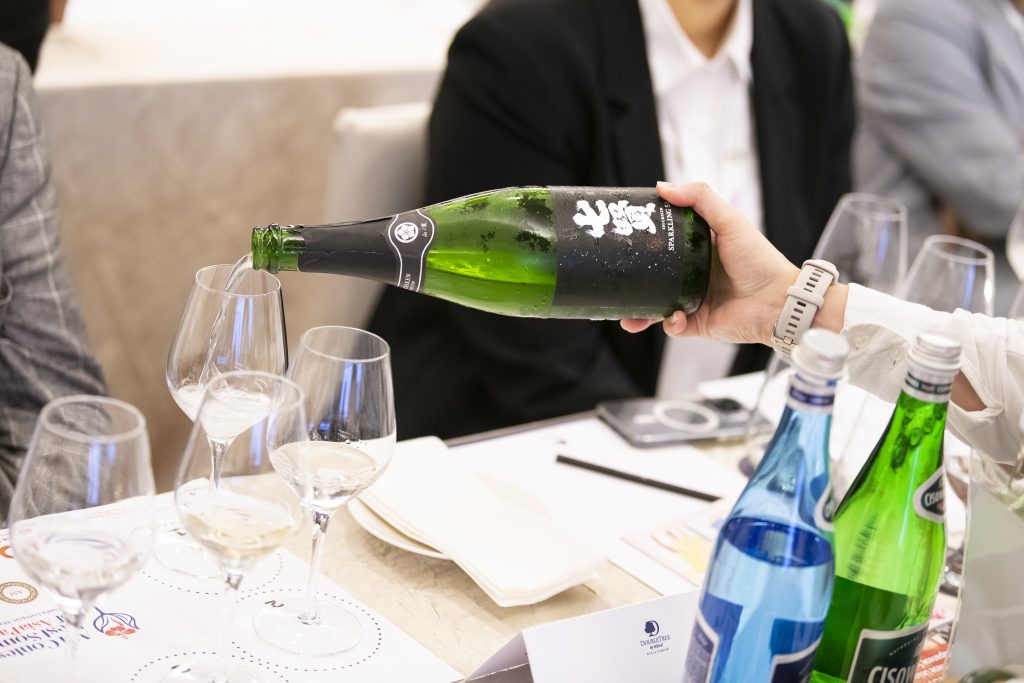
Once considered niche, sake is slowly making its way onto wine lists well beyond Japanese restaurants and into the broader lexicon of sommeliers worldwide.
“Nobody is surprised when you place sake on a fine dining menu now”, according to William Wouters, President of the Association de la Sommellerie Internationale (ASI), an organisation representing over 40,000 sommeliers worldwide.
Speaking at the ASI Best Sommelier of Asia & Pacific 2025 competition in Kuala Lumpur, Wouters reflected on sake’s growing global profile. “Thanks to the work we are doing with the Japan Sake and Shochu Makers Association (JSS), diners and sommeliers feel comfortable with sake choices.”
According to the JSS’s latest data, Japan’s sake exports rose by 80% over the past five years, driven by strong demand from North America and China. The ASI and JSS first partnered in 2022 to support this momentum, seeking to match growing international interest with improved education. And who better to advocate for sake than the world’s top sommeliers?
Reeze Choi, winner of the 2025 Asia-Pacific title, agreed. “Sake seems to be a new trend in the Western world. It offers some new and outstanding food pairing options to the customers,” he said. “It is not only a beverage, but it is also the culture of Japan. For sommeliers, it’s a must-know.”
The collaboration has translated into theoretical study; blind tasting grids developed to ASI standards and practical assessments that place sake on equal footing with wine and spirits.
The JSS – a membership body that represents a cohort of 1300 sake producers – has also invited sommeliers to visit Japan, where they visit breweries and deepen their understanding of sake production and the culture.
“In the past three years, sake literacy has grown significantly in the sommelier world,” says Wouters. “There’s a real curiosity now.”
Sake at the top tables
Hiromi Iuchi, Senior manager of JSS, remembers the challenge of introducing sake to New York diners 15 years ago. “The toughest part back then was to place sake in the menu outside a Japanese restaurant,” she recalled.
Today, that barrier is eroding. “Out of the 31 three-Michelin-starred restaurants in France, six list sake. That’s almost 20 per cent,” Iuchi noted.
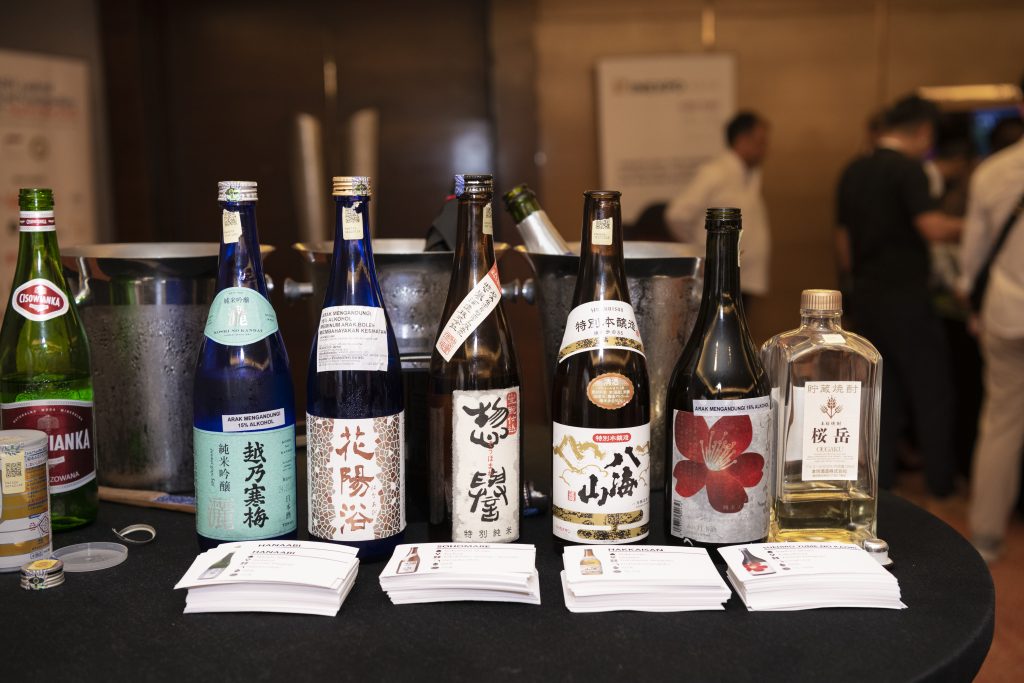
Other Asian cities are embracing sake with enthusiasm. In Singapore, Burnt Ends – a high-end Australian grill restaurant with one Michelin star – lists 20 sakes alongside Australia’s finest wines.
In Hong Kong, where consumers appreciate Japanese precision and simplicity, sake is being embraced in both Japanese and non-Japanese restaurants, including three-Michelin-starred L’Atelier de Joël Robuchon. “Customers in Hong Kong are very knowledgeable about sake”, said Choi. “We see small production and niche sake, beyond just the famous names.”
But where the progress is clear in some parts of the world, acceptance remains uneven.
“In Sydney, sake’s reach is still limited primarily to Japanese establishments”, said Dorianne Neimard, a Sydney-based sommelier and head of wine for Merivale.
By contrast, she notes that, in the UK, sake is increasingly found on the wine lists of non-Japanese Michelin-starred restaurants. “In a more traditional Sydney restaurant, sake doesn’t have much space on the wine list,” she said.
Still, she believes Australia’s evolving food culture – particularly the prominence of Asian-Australian cuisine – offers a clear opportunity. “Education is key not only for sommeliers but also for venue and beverage managers,” she said. “That’s how we can foster a strong sake culture.”
In Kenya, the sommelier profession is still in its early stages. Wanjiru Mureithi, President of the nascent Sommelier of Kenya Association represents just 40 sommeliers. “Sake is available, but limited to a handful of Japanese restaurant,” she said.
But Mureithi, who also a wine educator, is expanding her perspective. “The sake education was an eye opener,” she said, hoping to take elements of what she learnt back home.
Sake takes the spotlight
At the Kuala Lumpur competition, sake was front and centre: poured at networking events, featured in the tastings and discussed at length during a sake masterclass conducted by Singapore-based wine and spirit educator, Sean Ou.
Ou’s session introduced the fundamentals of sake and highlighted its selling points. For instance, sake contains glutamic acid, an amino acid responsible for umami, the savoury fifth taste.
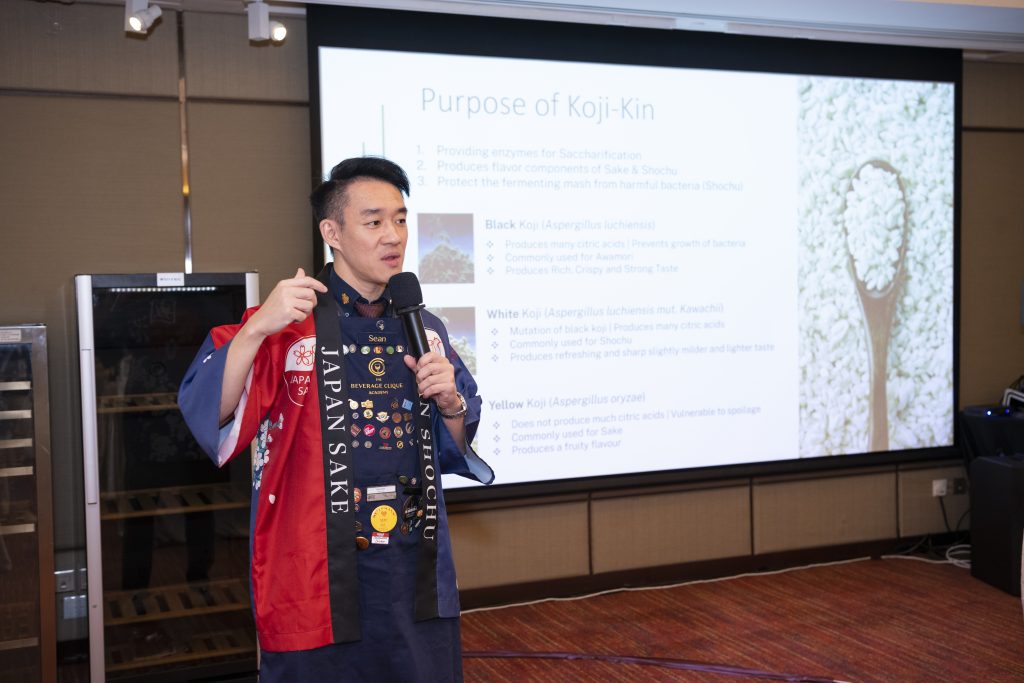
“Compared to beer or wine, sake has a higher concentration of amino acids, which adds an extra dimension of umami. That’s what makes it pair so well with food,” Ou explained. Additionally, sake is pasteurised rather than preserved with sulfites, which can be appealing to sensitive drinkers.
However, sake is significantly lower acidity than wine and lacks tannins – factors that create both challenges and opportunities when pairing with food.
Akira Koga, JSS Managing Director acknowledges that sakes face headwinds at home. “Local consumption has declined as interest among younger generations has waned,” he said.
Still, he remains optimistic. “The international interest is heartening,” he said and hopes that the global demand will bring renewed attention to sake within Japan.
Related news
Noma's René Redzepi resigns after shocking abuse allegations
Here’s why ProWine’s 2026 Asia fairs deserve a spot on your calendar


