



Limoux: Languedoc’s cool-climate hotspot
Once best-known as the home of inexpensive sparkling wines, Limoux and the Haute Vallée de l’Aude are now turning heads with the quality – and value for money – of their Chardonnays and Pinot Noirs. Richard Woodard takes a look around.
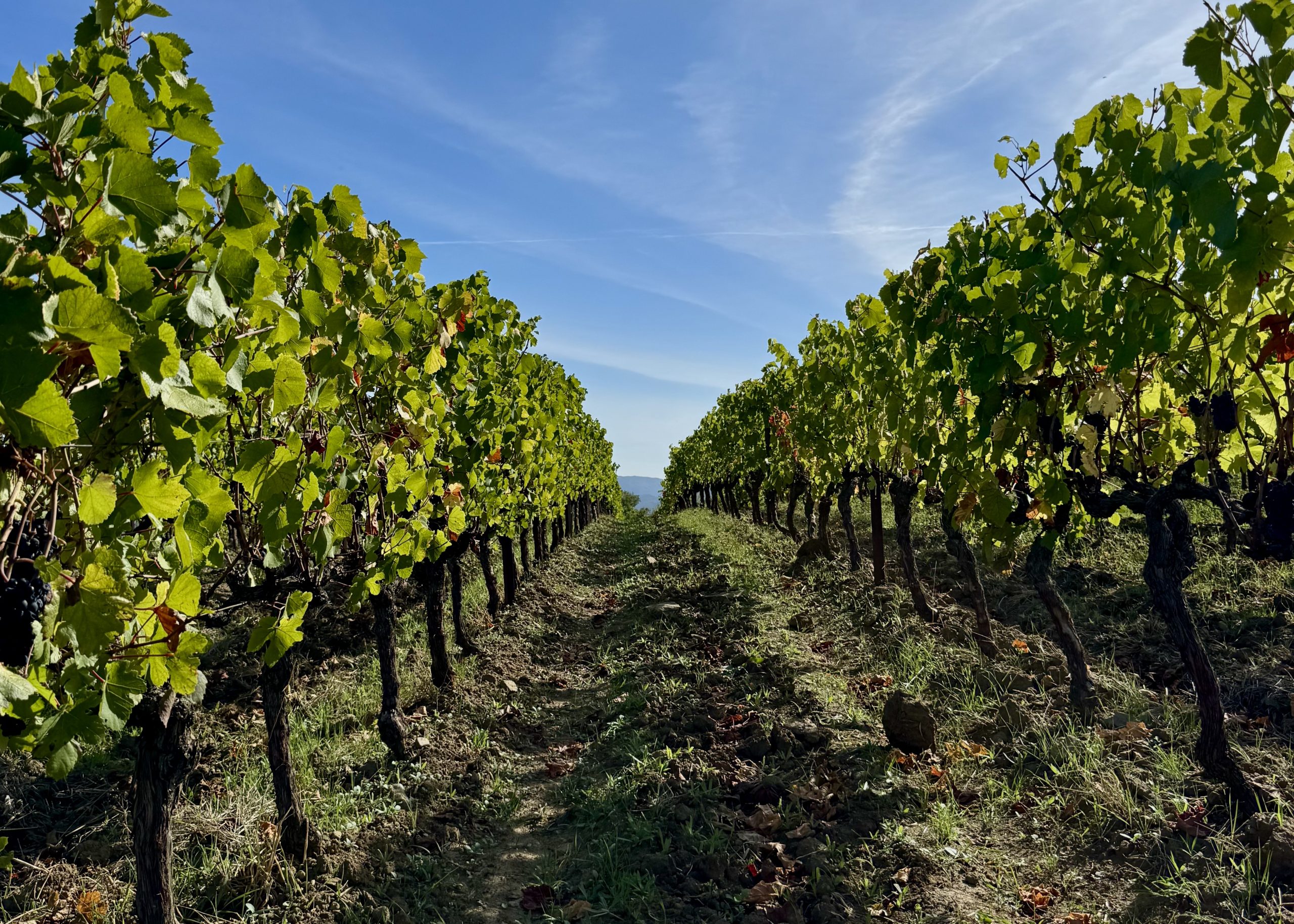
The picturesque countryside of the Haute Vallé de l’Aude, high above the town of Limoux, is quintessential Languedoc: garrigue-clad hillsides, pretty villages, patches of vineyard alternating with cereal crops and livestock.
The summer heat is unmistakably Mediterranean, but there’s a coolness to the nights that speaks of altitude, and the distant Atlantic. Temperatures are 2oC–3oC lower than the regional average; annual rainfall hits 900mm, compared to 600mm in Narbonne, just an hour’s drive away.
In wine terms, the area has historically been best-known for keenly-priced sparkling wines such as Blanquette de Limoux, centred on the local Mauzac grape. It even lays claim to producing the world’s first sparkling wine, courtesy of the Benedictine monks of the Abbaye de Saint-Hilaire in 1531. Not the first name on most people’s lips when discussing the best wines of the South of France – but that could be about to change.
One of the leading lights of the Languedoc wine scene, Jean-Claude Mas, reckons AOP Limoux “stands out from many other white wine appellations in the world”; Gérard Bertrand ranks it alongside regional flag bearers such as La Clape, Terrasses du Larzac and La Livinière.
Bertrand’s Domaine de l’Aigle, acquired in 2007 and named after the Bonelli’s eagles that nest in the area, is the source of a range of Chardonnays and Pinot Noirs – plus, intriguingly, a Gewürztraminer – bottled under the Domaine de l’Aigle and Aigle Royale labels.
Bertrand was drawn to Limoux by a combination of factors, including soils and altitude, with the latter bringing the marked diurnal temperature variations that encourage slow ripening, and the preservation of acidity and aromatic precision. There’s an unmistakably Mediterranean sunniness to the Pinot Noirs and Chardonnays from Limoux, but there’s tension and grace too.
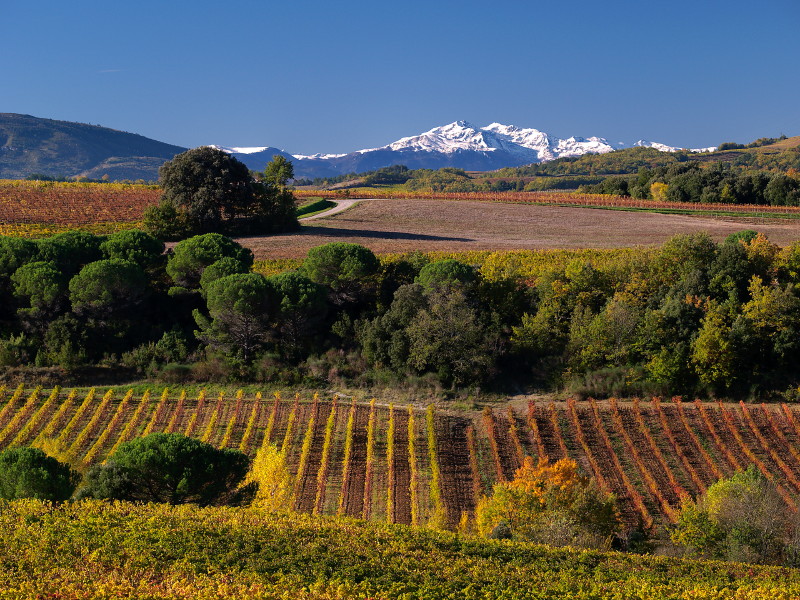
The area’s unique qualities also bring challenges. Edward Vellacott, commercial director at Bijou, maker of Vestige de Bijou, a small-production Chardonnay and Pinot Noir from the Haute Vallée de l’Aude, says that “climate resilience and precision are central” to the project. “Using satellite imagery and vineyard software, we monitor hydric stress, hail and sudden rainfall risks, enabling more precise, sustainable decisions in these marginal sites,” he explains. “In the cellar, fermentation and élevage take place in the finest French oak, with partial malolactic fermentation and bâtonnage to enhance texture and complexity.”
The 2025 growing season was marked by a long spell of hot, dry weather, when temperatures soared into the mid-40s celsius and vines temporarily shut down in order to cope. For Abbotts & Delaunay, the premium Languedoc arm of Burgundy-based Delaunay Vins et Domaines, tackling the heatwave represented the fruition of years of work to build vine resilience.
In the company’s vineyards at Domaine de la Métairie d’Alon – 25 hectares of Pinot Noir and Chardonnay dotted around the village of Magrie – grass is allowed to grow between the vine rows in winter, with ploughing in the spring confined to one row out of two, and then only to reduce the competition for water. Nutrients, in the form of animal manure, have been added to boost biodiversity and build more structure into the soil.
Thomas Trapet, the viticulturist who looks after the Abbotts & Delaunay vineyards, reckons it has taken 10 years to create the resilience that bore fruit during 2025. Jeanne Delaunay, Abbotts & Delaunay general manager, adds: “The vineyard is really in better health. This year was not a good year for people around us in terms of quantity, but for us it was good.”
Partner Content
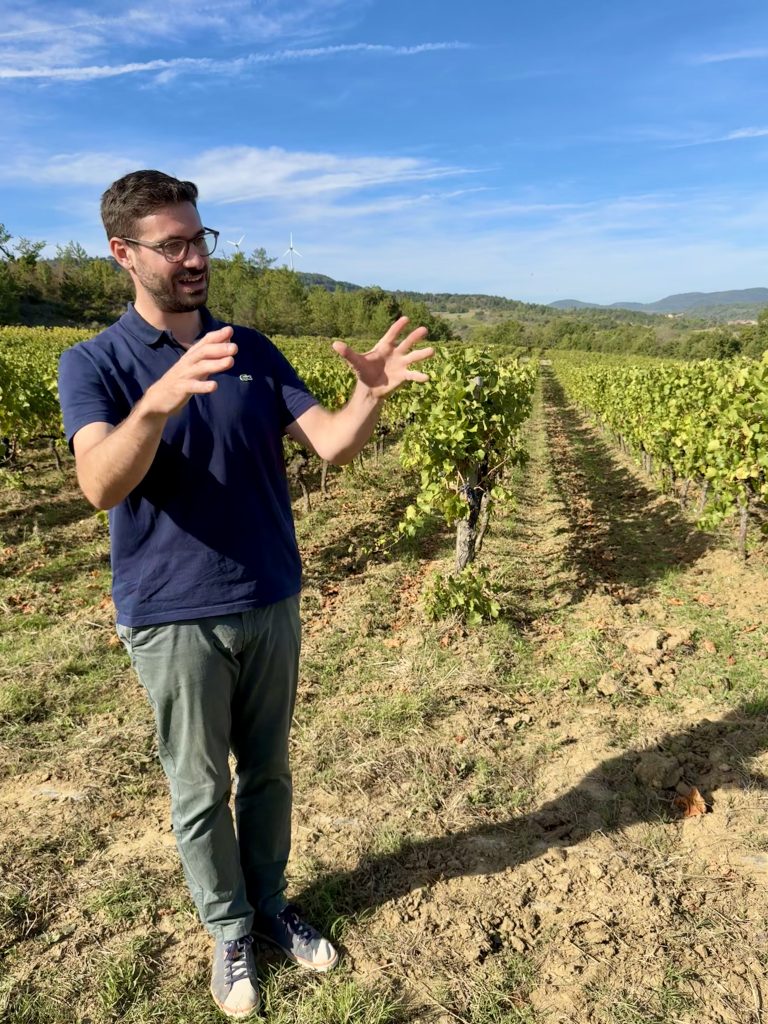
The company has also introduced the Burgundian technique of ‘ébourgeonnage’, a type of second pruning or shoot thinning – to the amused mystification of the locals. “People were laughing at us for doing that,” says Trapet. “Here no-one is doing that because here people want a little bit more quantity.”
Domaine de la Métairie d’Alon is the culmination of Abbotts & Delaunay’s quest to find world-class Pinot Noir and Chardonnay in the Languedoc. Beyond the climatic conditions, the team was drawn by the limestone and clay soils, which bear a strong resemblance to those found on the Côte d’Or.
Standing in the Solaire Pinot Noir vineyard, looking down on the village of Magrie from an altitude of 350m, Trapet explains: “I’ve worked a lot on the Côte de Beaune and the Côte de Nuits – on this hill you can find the two main soil types you find there.” So the terroir of the La Métairie Pinot Noir vineyard – sitting on the top of the hill at 380-400m – is more like Nuits-St-Georges, while Le Pré Long (330m) is closer to red Chassagne or Santenay.
Where the Haute Vallée de l’Aude differs from classic Burgundy, however, is in exposition. If there is a Burgundian parallel to be drawn here, it is with the diverse hinterland of the Hautes Côtes de Beaune, rather than the north-south axis of the Côte de Beaune or Côte de Nuits.
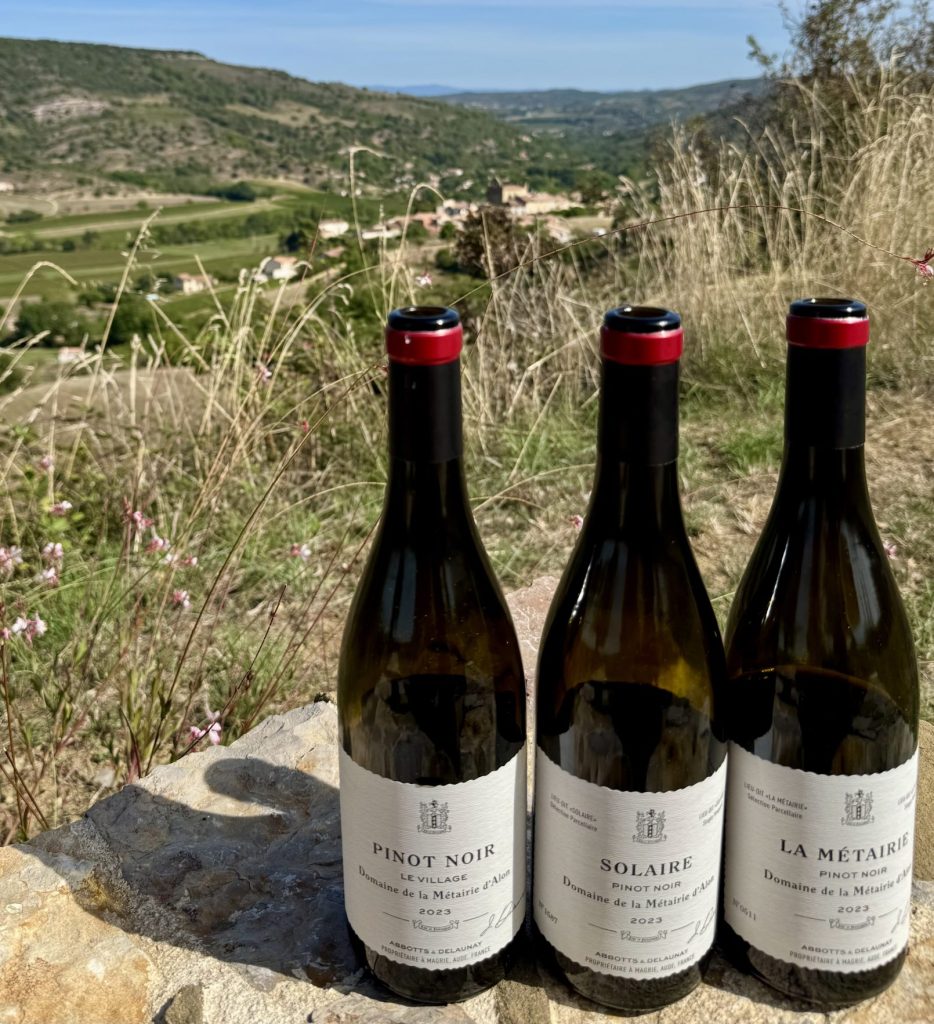
Abbotts & Delaunay currently makes six wines at Domaine de la Métairie d’Alon: two ‘Le Village’ blends of Pinot Noir and Chardonnay; a single-vineyard ‘Les Graves’ Pinot Noir rosé; a single-vineyard ‘Le Palajo’ Chardonnay; and two single-vineyard Pinot Noirs: ‘Solaire’ and ‘La Métairie’.
The variation in terroir is most evident in the two single-vineyard Pinots: Solaire sits in a shallow-soiled bowl surrounded by trees, so – even though it is north-facing – it’s a relatively warm spot that produces a fuller, almost New World style of wine, with plenty of primary fruit. The name, incidentally, derives from the vineyard’s former owner, Henri Solaire – but it’s an apt description of the wine style too.
Meanwhile, both Le Pré Long and La Métairie are more exposed to the wind, with La Métairie’s extra elevation translating into a 1oC–2oC temperature variation versus Solaire. La Métairie is harvested a week after Solaire, even though they are only a stone’s throw apart, and La Métairie in the glass has plenty of tension, freshness and restraint.
These are wines that confound many people’s expectations of the Languedoc; they aren’t necessarily an easy sell. As a result, Abbotts & Delaunay consciously works with Burgundy importers in its core European export markets. “They have the sensibility to work with wines of this quality, and [they can] explain them,” says Jeanne Delaunay.
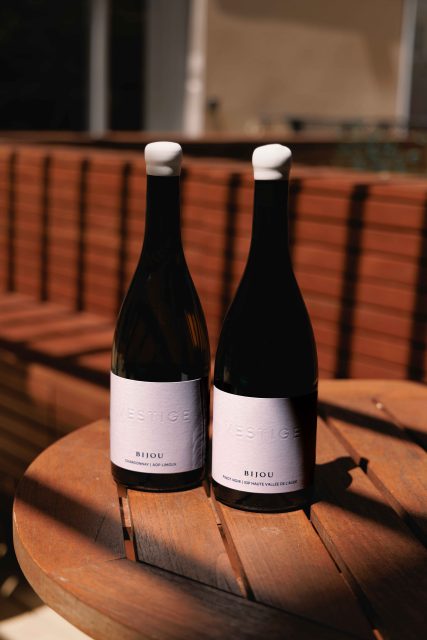
Meanwhile, Vestige de Bijou has gained distribution in six countries around the world. As with the Abbotts & Delaunay wines, the limited production allows the company to target independent retail and the on-trade. “Sommeliers will be key allies to promote our wines, as consumers will not yet think to look for premium Chardonnay or Pinot Noir from the South of France,” says Vellacott.
For such wines, the Burgundian comparison is obvious – and it’s not one that Jeanne Delaunay shies away from. “The purpose really is to taste a wine and, if you taste it blind, you would think it’s Burgundy,” she says. But not, crucially, if you look at the price tag: while Gérard Bertrand’s Aigle Royal wines tip the scales at close to £70, the Abbotts & Delaunay and Bijou wines are typically half that price or less. And that, more than anything else, could prove to be the Haute Vallée de l’Aude’s trump card in today’s fiercely competitive fine wine market.


