



Hospitality must sell 29.5 million extra pints a day to cover Budget
Access Hospitality managing director Champa Magesh has warned that the Autumn Budget leaves the sector exposed to higher wage bills, frozen tax thresholds and further cost pressures that threaten growth. According to research, venues will have to sell nearly 30 million more pints to cover the increases.
As the government prepares for the February 2026 alcohol duty rise in line with RPI, industry figures argue the Budget offers only partial relief at a time when operators need stability and meaningful support.
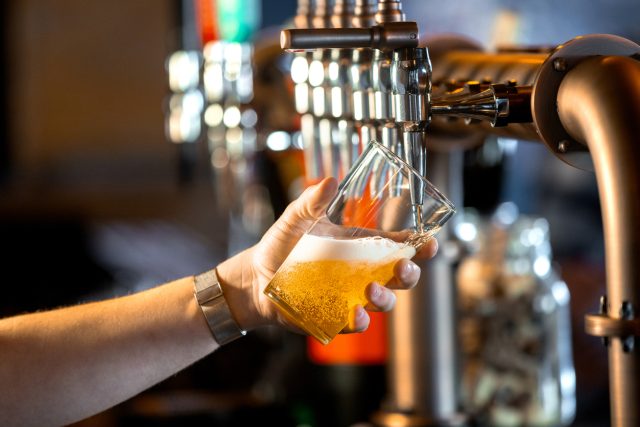
Champa Magesh, managing director at Access Hospitality, said the November 2025 Budget presents “significant challenges” for the sector despite limited short-term relief. According to Access Hospitality’s calculations, rising minimum wage rates will add £1.4 billion in costs next year. Given the 13p profit typically earned per pint, Magesh said businesses would need to sell an additional 29.5 million pints a day to absorb the increase if they relied on drink sales alone.
For many operators, this is not a realistic proposition. Magesh warned that the measures introduced “make it increasingly difficult for businesses to grow, invest and ultimately stay open” as customers themselves face tightening household budgets.
She added that the Budget is “a lost opportunity to spark growth in hospitality”, arguing that while some measures are welcome, they do not sufficiently counter rising operational costs.
Business rates reform brings relief but not certainty
The Budget confirmed permanently lower business rates for over 750,000 UK businesses and higher rates for high-value properties. Magesh said the reformed system will give high streets valuable support and offer venues “immediate cash flow relief” at a crucial moment for the sector.
According to her, the changes will help curb insolvencies and provide stability for investment by allowing smaller venues to remain important community spaces. Yet she cautioned that while the reform will help, it does not fully offset the combined pressures of higher labour, property and tax costs.
Kate Nicholls, chair of UKHospitality, described the new business rates multiplier as important progress but said that hospitality remains “under significant cost pressures”. As per Nicholls, the sector still needs further reductions across the rest of the parliament to stabilise trading conditions.
No rise in VAT or NICs brings temporary calm
Magesh welcomed the confirmation that VAT and NICs will not increase but argued that the absence of additional support ultimately leaves many venues vulnerable. According to her, hospitality depends heavily on part-time workers, so frozen thresholds without offsets for employers could mean job cuts or shorter trading hours.
She warned that “keeping VAT at 20% means the UK will continue to struggle to compete internationally” and said the government must recognise hospitality’s cultural and economic importance if it wants to meet its growth ambitions.
Frozen income tax thresholds squeeze consumer spending
Income tax and national insurance thresholds will remain frozen until the 2030-31 financial year. According to Treasury figures referenced by Access Hospitality, this will bring 780,000 more people into the basic rate and 920,000 into the higher rate by 2029-30.
Partner Content



Access Hospitality analysed booking data from its platform DesignMyNight and found early signs of reduced consumer discretionary spending. According to the research, restaurant spend among Gen Z fell by 37% in October 2025 compared with the previous year.
Magesh said this represents “a quieter blow to the sector” as reduced consumer spending combines with higher operating costs to create a difficult trading environment.
Minimum wage increase delivers pay boost but extends pressure on venues
From April 2026, the living wage for workers aged 21 and over will rise by 50p to £12.71 an hour, a 4.1% increase. For workers aged 18 to 20, the minimum wage will rise to £10.85 and to £8.00 for 16 and 17-year-olds.
According to Access Hospitality, these changes collectively add £1.4 billion in additional labour costs. Magesh said that while the uplift is positive for employees, the impact on businesses will be significant, particularly for smaller venues or those with large part-time workforces. She cautioned that some operators may be forced to reduce staff or trading hours to remain viable.
Alcohol duty increase
Although the Chancellor did not address alcohol duty directly in Parliament, the Budget documents state that receipts are expected to reach £12 billion in the next year, a 5.1% decline compared with 2024-25. Non-draught alcohol duty rose by 3.6% in February 2025 for wines and spirits.
According to Magesh, the additional pressure on margins makes it difficult for pubs, bars and restaurants to absorb higher costs without increasing prices.
As reported by the drinks business, alcohol duty will increase again with RPI from 1 February 2026. Trade bodies reacted strongly. Miles Beale, chief executive of the WSTA, described the move as “disappointing and shortsighted”, while SWA chief executive Mark Kent said the rise adds “additional pressure on a sector suffering job losses, stalled investment and business closures”. According to Kent, the previous 3.65% rise reduced spirits revenue by 7%, amounting to a £150 million loss to the Treasury.
Karl Mason of the UK Spirits Alliance said “three in ten landlords are scared that they will go bust within a year if costs increase”. Wishbone Brewery in Yorkshire argued on X that the current duty structure gives “those with Millions in the bank a pay rise”.
Tourist tax raises new questions for domestic travel
The Budget also introduced a tourist tax in England, giving mayors the power to set a levy on overnight stays in hotels, B&Bs and holiday lets. According to the Budget, visitors could be charged up to £2 per night. London mayor Sadiq Khan has estimated it could raise between £200 million and £240 million annually based on 89 million overnight stays in 2024.
Magesh said the measure risks reducing domestic tourism at a time when many hospitality businesses depend on local visitors to remain viable.
Nicholls said “bricks and mortar hospitality businesses are being taxed out” and argued that while transitional relief is welcome, many venues will still see higher bills due to revaluations.
Related news
UK pubs cut hours after budget tax and rates rises
Night-time sector warns Budget hikes could dim Britain’s nightlife
‘This Budget is a hammer blow’ as UK alcohol duty rises with inflation


