



Can the Sommelier Association of India drive the country’s wine scene forward?
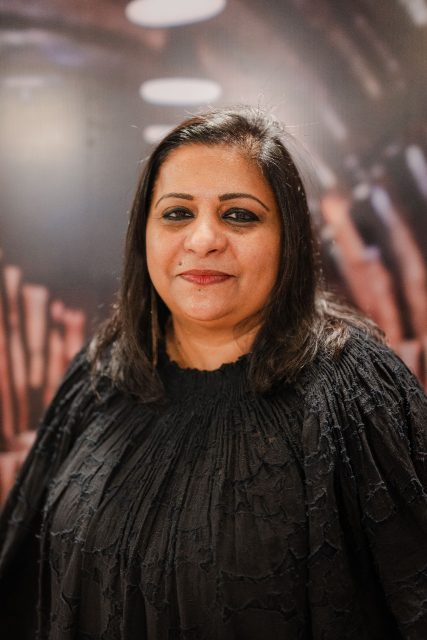
Within just 18 months, the Sommelier Association of India has onboarded 200 members and brought India’s sommeliers to the global stage. Now, Nimmi Malhotra asks president Amrita Singh what still needs to be done to further India’s wine scene.

This year, India made its debut at the ASI Best Sommelier Asia Pacific 2025 competition, marking a new chapter for the country’s growing wine community.
Jai Singh, winner of Best Sommelier of India 2025, competed on behalf of the country at the competition held in Kuala Lumpur. He now hopes to qualify for the ASI Best Sommelier of the World, due to be held in Portugal in October 2026.
The milestone follows efforts by wine consultant Amrita Singh, who noticed India’s absence from previous ASI events. Investigating further, she found the country lacked a national body dedicated to the certification and representation of professional sommeliers.
That gap led to the creation of the Sommelier Association of India (SAI), which was officially inducted into the ASI College of Applicants and granted membership in February 2024.
The last 18 months have been pivotal, she says. “In the past year alone, Indian sommeliers have completed the ASI Certification, ASI Diploma and participated in International ASI education bootcamps, underscoring both their ambition and ability to meet global standards.”
Building the association
The make-up of the SAI management team reflects its international outlook. Its three vice presidents are Mattia Antonio Cianca (Best Sommelier of Australia 2017 and Best Sommelier of Italy 2019), Salvatore Castano (Best Sommelier of Europe and Africa 2021), and Vinod Abrol, former CFO of Indian fashion and lifestyle e-commerce portal Jabong.com.
The not-for-profit organisation has over 200 members, including 130 individual sommeliers and corporate members, as well as other hospitality professionals. Membership provides access to tastings, partner platforms such as Jancisrobinson.com, masterclasses, training programmes, and exclusive events.
“SAI ensures that Indian professionals and wine lovers are represented, recognised and celebrated not just in India but also on the world stage,” says Singh.
Partner Content


The rising importance of the sommelier
The local sommelier industry is at an interesting crossroad. In earlier years, the task of curating and managing a wine list typically fell to bar managers or bartenders. The formal title of ‘sommelier’ only began to gain traction about a decade ago, followed by the introduction of the WSET and CMS qualifications.
“The Indian sommelier community is still growing and developing”, she says. “As the profession continues to evolve, it remains challenging to determine the exact number of sommeliers currently working in India, especially as the definition of the role itself continues to take shape.”
Even so, demand for sommeliers is steadily rising. Local F&B establishments, international wineries and beverage brands entering India are increasingly seeking trained professionals to guide and educate consumers.
“The reality, however, is that the current supply of certified, well-trained sommeliers is not yet enough to meet this rising demand,” Singh notes. “Most of the existing talent is concentrated in a few major cities, and many are self-taught or partially trained through fragmented programmes.”
The road ahead
Professional sommeliers are now increasingly recognised by the hospitality sector in India, from luxury hotels to restaurants and wine bars. However, Singh points out that India still lacks sufficient dedicated institutions to meet the growing demand for formal wine education.
“While a handful of hospitality institutes and private academies offer wine courses, access is still limited in terms of geography, affordability and depth of training,” she explains.
She advocates for a more inclusive education ecosystem, one that provides internationally benchmarked qualifications alongside practical, India-focused training.
“This includes not only wine theory and service, but also modules on food and wine pairings that reflect India’s diverse cuisines, knowledge of the domestic wine industry, and exposure to global beverage categories such as beer, spirits, and sake,” she says.
Related news
Beer sector in India invests in Uttar Pradesh
What the doctor ordered: China’s burnt-out youth mix traditional medicine and cocktails


