



Big alcohol faces slowdown as consumer habits shift
After years of insisting that weaker sales were cyclical, the world’s major drinks groups are being forced to confront deeper, structural changes. From the rise of health-conscious Gen Z consumers to China’s low-alcohol revolution, the industry’s challenges run far beyond temporary headwinds.
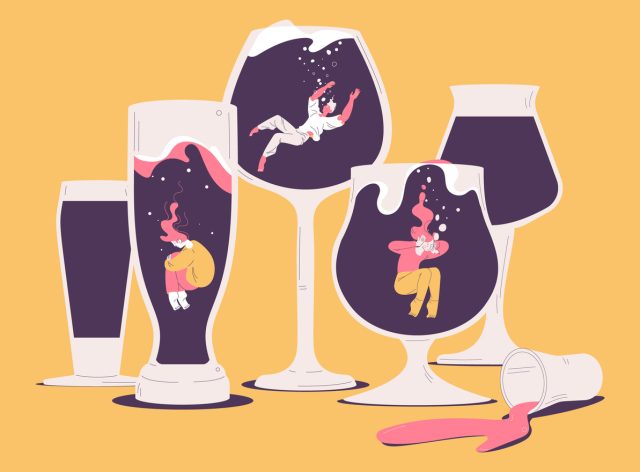
For the past couple of years, it has been the group mantra from big booze bosses that the current downturn in sales is cyclical rather than structural. But the cracks in that corporate front are widening.
No longer can the combined effects of squeezed wallets, the rise of cannabis-infused offerings, the increasing uptake of weight loss drugs which reduce the desire for alcohol and the lifestyle choices being taken by Gen Z be dismissed out of hand as inconsequential in the longer term.
Diageo’s changing tone
Earlier this year, Diageo, the biggest of them all, held a briefing to claim that its research showed that although the younger groups of legal age drinkers were consuming more discerningly and at different times, the overall message was that they were still spending, just in different patterns.
Last week, however, the company’s quarterly results painted a less optimistic picture, with demand in the US and China, which together previously accounted for more than 50% of sales, being the two problem markets.
Slowing Tequila and premium fatigue
In the US, Tequila had been the big growth engine of recent years, but former interim chief executive Nik Jhangiani admits that growth rates are slowing rapidly, especially in the premium and super-premium categories where Don Julio and Casamigos sit, and that consumers were downtrading and buying smaller pack sizes.
American bank JP Morgan says of the overall sector: “Coming up on two-plus years of well below trend growth, it’s hard to ignore some structural underpinnings to the slowdown.”
It also said: “Companies need to provide more realistic medium-term outlooks and end the cycle of negative earnings revisions.”
Austerity bites in China
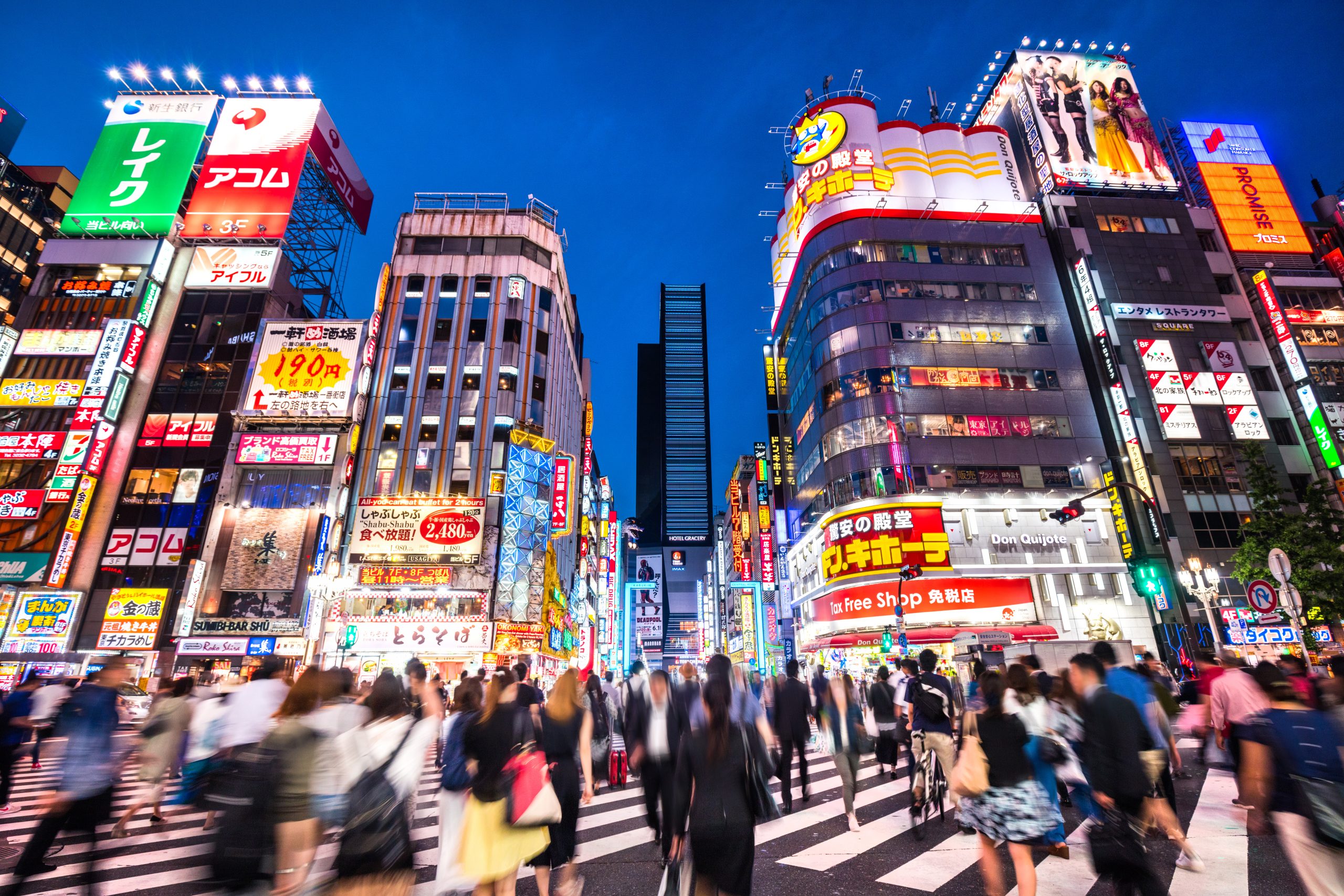
On the other side of the Pacific, Chinese white spirits are taking a caning for many of the same reasons, plus the Beijing government’s drive for greater austerity among officials and businessmen.
The changing patterns in China are no more evident than in the response of the big baijiu distillers. With the fiery spirit still accounting for more than 90% of Chinese consumption, they are best placed to spot the changing winds.
The rise of low-alcohol baijiu
Price appears to be a significant factor: more than 90% of Chinese consumers tend to buy baijiu priced under 500 yuan (US$70), according to a 2023 report from the China Alcoholic Drinks Association.
With the economy slowing and a housing finance crisis, which has put the brake on spending, especially on premiumisation.
Partner Content

Just as Pernod Ricard has launched Crystalgold, a spirit drink under the Chivas Regal Brothers banner (an ersatz whisky at lower levels of alcohol), so Big Baijiu is rethinking how to meet mass demand in changing times.
Industry giants react to falling sales
With share prices sliding, Kweichow Moutai, the renowned Chinese liquor giant that once held the title of the largest listed company in China by market capitalisation, has unveiled plans for another share buyback programme aimed at bolstering investor confidence and potentially stabilising the share price.
After a rapid deceleration in sales growth over the past two years, in August, rival Wuliangye Yibin launched 29° Crush On. At 29% ABV, it is significantly lower than the company’s signature spirit with 52% alcohol content.
Rivals Anhui Gujing Distillery and Shede Spirits have launched drinks at ABVs of 26% and 29% respectively, and ZJLD has introduced its own beer brand.
Other baijiu makers are planning to introduce reduced-alcohol products in the coming months.
Diversification and innovation
Some are also expanding into drinks such as fruit wines and ready-to-drink cocktails. Wuliangye began offering a lychee wine several months ago, while Kweichow Moutai started selling a blueberry sparkling wine last year.
A 2022 survey by the Ries consultancy showed that 70% of young Chinese believe baijiu is unhealthy, with an unpleasant taste. Nearly 40% of respondents wanted drinks with an ABV of around 10%.
Changing tastes and demographic reality
The reasons for the switches are clear. Sales of Kweichow Moutai are growing at the slowest pace for a decade. Wuliangye’s sales growth slowed to 4.2% in the first six months of this year, down from 7.1% last year and 12.1% in 2023.
Smaller rivals have been hit harder: Jiangsu Yanghe Distillery suffered a 35.3% year-on-year revenue drop in the first half, while Jiugui’s year-on-year sales crashed by 43.5%.
According to Morningstar senior analyst Jennifer Song, China’s younger generation rejects the “intense sensation of high-alcohol baijiu”. She said: “We believe expanding low-alcohol baijiu offerings is a long-term trend, driven by demographic change and rising health awareness.”
That said, there are some signs of early success for Wuliangye’s light baijiu. On Alibaba Group’s Tmall, 29° Crush On generated more than six million yuan in September sales, becoming the company’s third most popular brand.
Related news
Rift grows in regenerative viticulture movement
Bubbling Under: Can sparkling wine drive Argentina’s premium push?
Banfi expands organic focus with Emiliana Organic Vineyards US agency deal


