



Bacardi unveils cocktail trends that shift drinking into an all-day affair
Cocktail culture is entering a new phase where earlier hours, sweeter flavours and community-led rituals shape how consumers drink, according to the Bacardi Cocktail Trends Report 2026. The report suggests a shift driven by Gen Z, who are redefining where and why they order a drink.
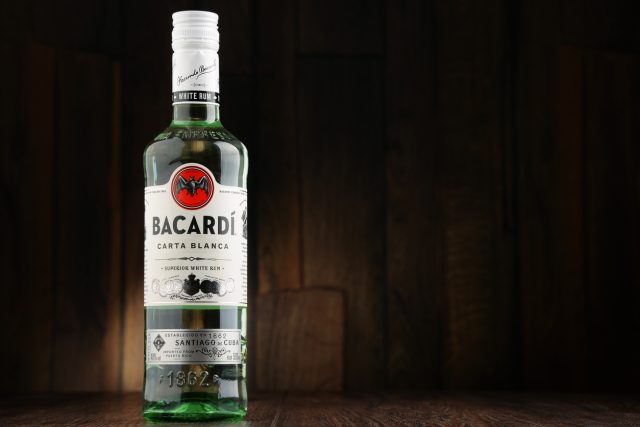
The late afternoon is becoming prime time for cocktails as consumers trade traditional nightcaps for daycaps. Bacardi reports that younger drinkers are turning to lighter and sweeter serves that suit earlier social windows with Sean Kerry, vice president for global on trade at Bacardi, saying “indulgence doesn’t mean excess, it means intention”
According to the Bacardi Global Consumer Survey, earlier evenings are now routine for sizeable portions of drinkers across Spain, India, Italy and Australia with notable shifts among younger cohorts in France and the US.
The report also cites the UK’s new 6.12 p.m. average reservation time as per Zonal data.
Bars are responding in earnest. Manchester’s Blinker Bar offers a smaller serves menu of mini cocktails, while Boston’s Birds of Paradise runs monthly mini Martini collaborations. These formats address consumers’ most common complaint: drinks not served cold enough, highlighted by sizeable shares across Mexico, Spain, France and Germany.
Globally, fruity and sweet flavours lead consumer preferences with fruity ranking number one in India, Germany and the UK and sweet coming out on top in Mexico and the US.
Dessert-inspired cocktails such as the Piña Colada are resurging with the serve ranked the number three global bar call for 2026.
Bars from Mexico City to Paris are leaning into these indulgent profiles through lychee spritzes or yoghurt-based Ramos twists that merge playfulness with polish.
The real world
Bacardi reports a renewed push toward intentional gatherings as 85% of consumers wish for more time with people who matter to them.
Rigoberto Chavez, VP global insights at Bacardi, says it is “less about being seen more about feeling seen” as drinkers seek spaces that foster presence and purpose.
According to the report, Gen Z is gravitating toward festivals over clubs with nearly half in Spain and around 40% in the UK and Australia planning more festival attendance in 2026.
Bars are adapting by weaving culture into their weeknights through tarot, bingo and karaoke as seen at Toronto’s Bar Mordecai.
Third places such as cafés and community hubs now outperform traditional venues by generating 19% more monthly drinks volume, according to CGA by NIQ data cited.
Mahjong nights, reading parties and coffee clubbing are becoming social anchors with Eventbrite reporting a 150% rise in attendance and a 1,800% surge in Houston.
Ice breakers
The portability of RTDs is making them essential companions for festivals and house parties. Bacardi’s Bacardi & Coca Cola RTD launch in 2025 positioned the category as an easygoing fit for casual gatherings with around two-fifths of UK LDA adults aged 18 to 29 planning to drink more RTDs across the next year.
Meanwhile, nostalgia-driven experiences such as the revived Breezer in London and Manchester show how simple serves can anchor broader cultural pop-ups.
Value of provenance
Consumers now expect greater transparency with more than 8 in 10 US consumers reading labels before purchase and 77% prioritising region of origin.
Bacardi is adding QR codes to labels in the EU to give access to nutritional, ingredient and recycling information.
Bars are turning into laboratories of local flavour. Tokyo’s Sangai Bar explores “Terroir x Terrior” through Japanese spirits and global ingredients while Handshake Speakeasy in Mexico City reimagines citrus through citric acid to minimise fruit use.
At Teeling’s Bang Bang Bar in Dublin, honey from rooftop beehives and herbs from an on-site garden shape serves.
Partner Content

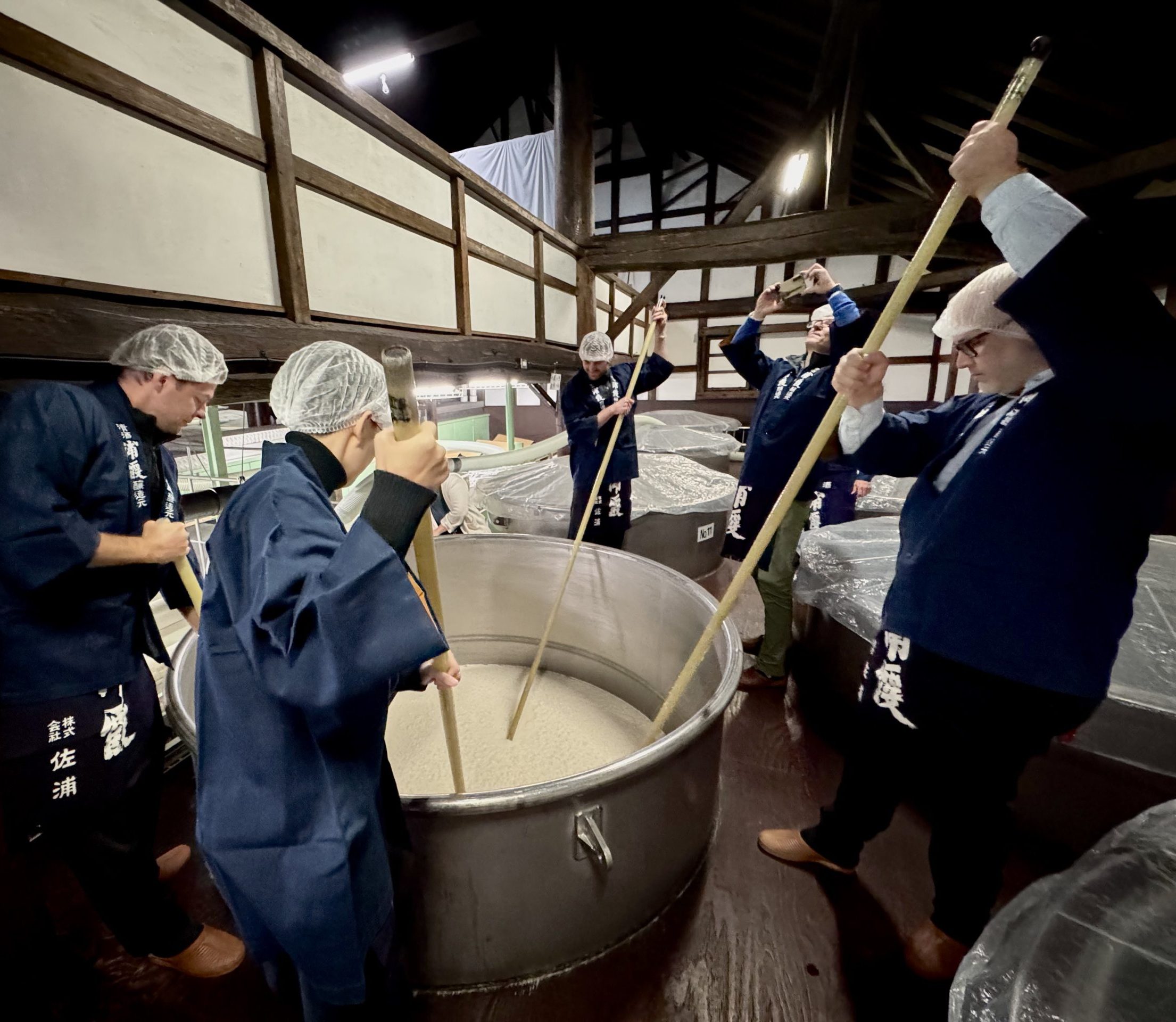
Singapore’s Native Bar is dedicating a floor solely to fermentation with ingredients expressed in multiple forms.
Ingredients that work harder
Bars are extracting more from each component through superjuice, fermentation and parallel techniques. According to the Bacardi Global Brand Ambassador Survey, fruits local to a venue’s region are a growing area of interest.
Adrian Biggs, director of advocacy for Bacardi North America, says this approach creates “richer more responsible experiences” that respect taste and planet.
London’s Lyaness pushes the boundaries with cocktails such as the Multi Milk which unites vodka, whisky and various dairy products in one serve.
Cocktails as lifestyle
Consumers now choose brands that express identity. Bacardi cites research showing that 70% of emotionally engaged consumers invest twice as much in brands they feel connected to.
Natasha Curtin, global vp at Bombay Sapphire, says “premium today goes beyond price tag it’s about cultural cachet and emotional connection”.
Grey Goose’s Hôtel pop-ups and branded candles from Satan’s Whiskers illustrate how bars extend influence beyond their four walls. Dante’s residency at Claridge’s positions cocktails as cultural exchanges rather than mere drinks.
Menus are now storytelling objects with three in five consumers checking them online before visiting a venue.
Bijou Drinkery Room’s Rubik’s Cube menu or LPM Dubai’s magazine styled DéjàVu show how design becomes a decision maker.
More is more
Bacardi reports a revival of high-energy opulence with London’s Ambassadors Clubhouse serving bottle-sized cocktails in interiors described as “lavishly anti-minimalistic”.
Unique venues drive social posting with 40% of Spanish consumers photographing cocktails when the setting feels extraordinary.
Celebration culture is shifting too. Cocktails have overtaken Champagne for big moments in Germany and Spain with spirits leading in Mexico, the US and the UK.
Over eight in ten global bar professionals report trading up to premium spirits with Tequila topping premium growth.
The most extravagant example comes from Dubai’s Nahaté which sold a USD 41,160 cocktail crafted with a bespoke Patron blend and served in a 1937 Baccarat glass.
At Shinji’s in New York, a nitrogen-chilled Gin Fizz epitomises experiential opulence and over-the-top serves appeal strongly to younger consumers in the UK, Spain and the Netherlands.
Sensory escapism
As per VML Intelligence, 71% of consumers feel the world has become surreal prompting demand for bold and unexpected tastes.
Around 40% say rich flavour defines an impressive drinking moment and over a fifth seek intense profiles.
Examples range from Wynn Las Vegas’ Monaco cocktail finished with edible seaside perfume and electric dust to Superbueno’s Green Mango Martini in New York.
Bars such as SIPS in Barcelona and Sip & Guzzle in New York continue pushing boundaries through edible theatre.
Martin Raymond of The Future Laboratory adds, “the cocktail is evolving from product to performance”.
Related news
The wine trends defining Hong Kong's French restaurants
Viral to vanishing: the food and drink trends losing relevance ahead of 2026


