



Where are the margins for the UK drinks trade?
For both nimble, data-driven operations and “unashamedly old school” businesses, there are products and clients offering strong margins to the UK trade. A DB Conference panel yesterday explained all.

With a globally challenging picture for the wine trade, as well as specific pressures for the UK market, yesterday’s DB Annual Conference went back to basics. Its key theme was ensuring profitability, the keystone on which all other ambitions – however noble – rely. As Patrick Schmitt MW said in his opening comments: “There is nothing sustainable about an unprofitable business.”
Thus the day’s first session examined margins, a fundamental building block of profitability. In a wide-ranging discussion on the industry’s challenges and how to face them, four leading figures of the trade shared their take with Schmitt.
Stuart Dale offered his insight as chief wine officer of Crop & Vine, a ‘high tech, high touch’ wine business. As chairman of both Nebbia e Luce and Cru World Wine, Simon Farr gave perspectives from two very different services. Cecily Chappel gave her opinion as CEO of “unashamedly old school” fine wine service Chelsea Vintners. Lastly, Matthew O’Connell, CEO of Bordeaux Index LiveTrade, offered his takes from the worldwide trading platform.
In particular, two recurring themes emerged: there still are products that offer better profitability and a new generation of clients ready to buy them. Businesses ready to look beyond the ordinary and meet customers where they are stand the best chance of ensuring long-term profitability.
A selective approach
For many, the world of fine wine is bound up in its emblematic selling methods: La Place de Bordeaux and en primeur campaigns. Yet the day’s panel proposed there are other places to find irresistible margins in the fine wine market.
In part, that is a response to releases that no longer provide the opportunities. Chappel admitted that Chelsea Vintners has shied away from Bordeaux campaigns when the price did not seem correct, while Farr sees difficult en primeur campaigns as evidence that prices do not match the market.
For Dale, “there needs to be margin at every point to keep people interested.” He sees a current imbalance in the “food chain” from producer to end consumer, with earlier participants gobbling more than their own share.
“The things that we really focus on,” he proposed instead, “are things that give margin, scarcity and quality. A good example would be Cloudburst, which has margin built-in through the entire food chain.”
Other panel members have likewise sought out those pockets where there is scarcity, high quality and a compelling margin. For instance, that means Chelsea Vintners is introducing Burgundy lovers to the Jura and Nebbia e Luce is seeking to expanding italophiles’ horizons to the Alto Piemonte.
Moreover, it is not narrow guidance. O’Connell has seen exactly the same approach pay off for whisky, which LiveTrade offers in addition to fine wine. There, paying attention to quality rather than hype pays dividends.
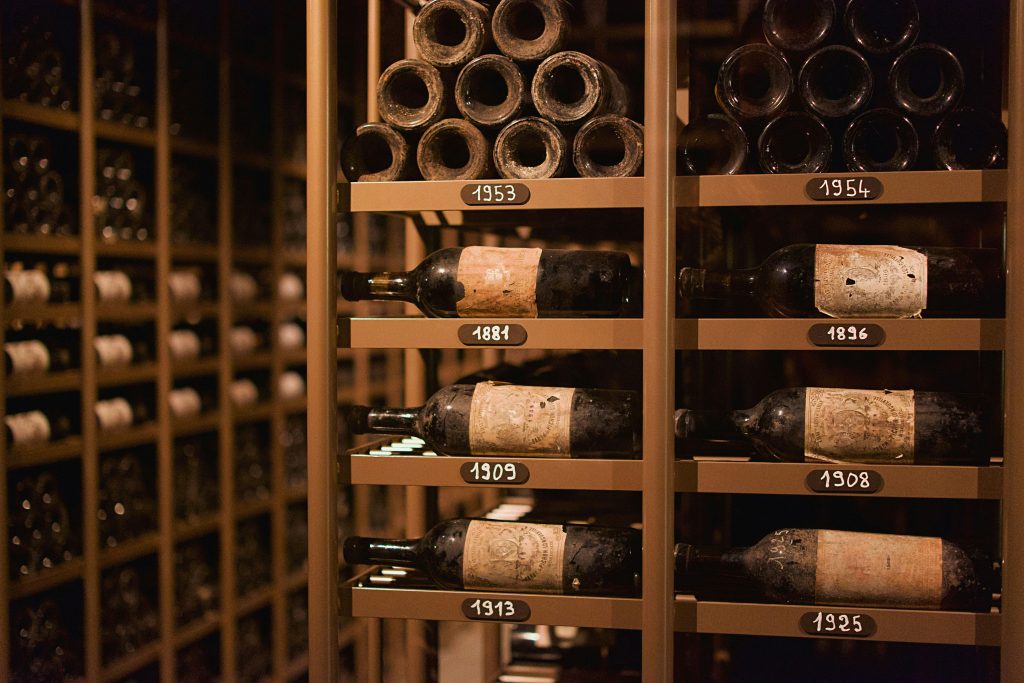
“Where you have age and rarity,” he commented, “there is still good demand, and the margin is also positive.”
Partner Content



He had words of caution, however, having seen markets take profitability for granted: “A lot of people made products which were quite high value, but ultimately the liquid within didn’t have the right age or rarity. So the branding became more significant and that, I think, is the segment which is more challenging.”
Finding your customers
The other key discussion point ran counter to scaremongering over declining alcohol consumption. The panel agreed that the right customers do exist. Even if they look different to previous generations, profitable clients are out there, and finding them opens up possibilities in new products with strong margins.
“I was talking to someone in the industry who was claiming that no-one opens bottles of wine,” said Chappel, “and that’s just not the case. Young people are doing it.”
It is a point confirmed by Farr: “Fine wine is absolutely going to have a future, but we are talking about a new generation which has a very different relationship with it.”
That new generation of fine wine consumer has different tastes and different needs. The panel highlighted several traits of this new archetype of fine wine consumer.
They are fearless and curious, happy to try wines from regions they cannot pronounce. They are armed with knowledge, able to comment on the minutiae of a vintage and its production. Perhaps most vitally, they are less interested in waiting 20 years for maturity and more keen to pop the cork immediately.
An understanding of that consumer is evident in the panel’s businesses. Nebbia e Luce, for instance, makes its money by buying Piedmontese wine that it holds, thus offering bottles that are at the beginning of their maturity and ready to drink. Chelsea Vintners has a deeply personal approach, aiming to cater its offering to each individual client rather than provide a ‘by the numbers’ portfolio of fine wine.
In fact, O’Connell gave one of the session’s most optimistic perspectives close to its end. “There is a huge, long-term tailwind of wealth creation now,” he said, “and really, I’m pretty positive.”
He noted downturns in the fine wine market – for instance since 2022 – come with the caveat that wine is a discretionary product, and buyers have every reason to hold off for a more favourable market. However, with price adjustments and lowering interest rates, the market will be ready for those valuable customers.
Understanding who your customer is, what they might wish to buy and when they could part with their cash, it seems, is essential to that juicy margin that merchants dream of.
Related news
English investor buys historic Château Vignelaure
Wales bids for world’s first natural wine appellation
How service crop management could save vineyards in dry years


