



‘We’re planning for the next 30 years’: James Davis MW on Bolney’s two-year vineyard transformation
Bolney Wine Estate in Sussex will begin a two-year project this autumn to grub up and replant its 30-year-old 18-acre vineyard. Speaking to db, James Davis MW said the move is “a very exciting evolution for Bolney” and “a strategic investment in both sustainability and relevance”.

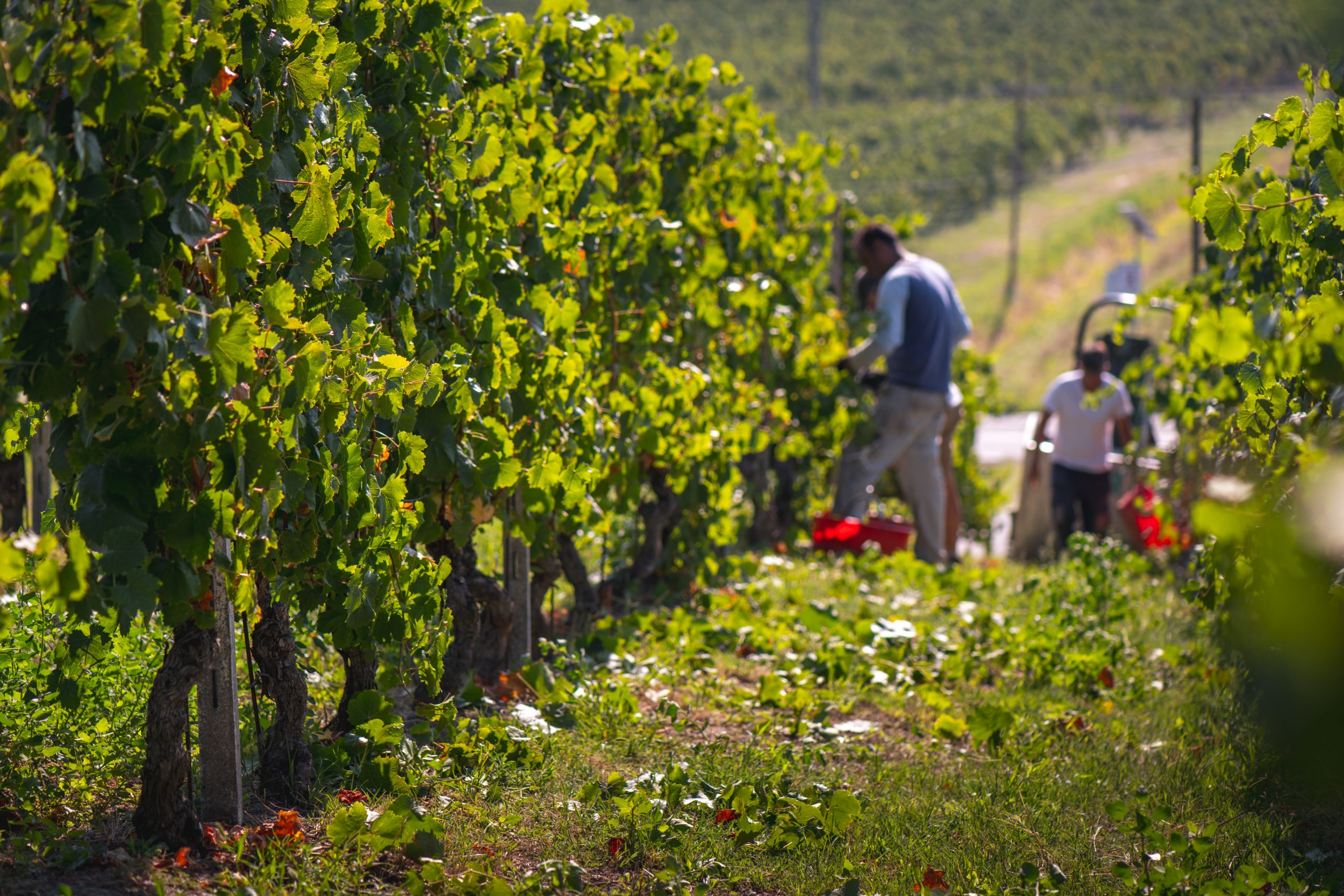
Bolney Wine Estate will begin a phased replanting of its 18-acre vineyard from autumn 2025, marking one of the most significant vineyard renewals in its 50-year history. Around 10,000 vines will be removed and replaced with Chardonnay, Pinot Noir and Pinot Meunier, varieties better suited to Bolney’s evolving terroir and long-term sustainability goals.
The work will be carried out in two phases, with the first vines grubbed up this month and replanted in spring 2026, followed by a second phase the following year. Collaborating with Dr Alistair Nesbitt and his team at Vinescapes, Bolney aims to give the soil time to rest and rejuvenate while improving the vineyard’s environmental resilience.
Head winemaker Cara Lee Dely called the opportunity “thrilling”, saying that “vines do have a life span and become more vulnerable to disease as they age, and of course it’s important from a winemaking perspective that we’re always working with the highest quality fruit that we can.”
Experience guiding future choices
James Davis MW, wine development director at Freixenet Copestick and Henkell, who is overseeing the project at Bolney, told db that the replanting plan has been shaped by decades of experience. “Our replanting decision and strategy is shaped by the lifecycle of our vines coming to an end after 30 years,” he explained. “This has given us an opportunity to consider the right combination going forward and we will focus on climate and disease resistance, along with consumer tastes moving toward high quality premium traditional method sparkling wines.”
He added: “This marks a very exciting evolution for Bolney, which has always been at the forefront of innovation and creative thinking in English winemaking. As we replant, we’re making intentional choices based on long-term projections of consumer preferences and selecting varieties that not only thrive in our changing climate but also align with where we believe taste and demand are headed over the next two to three decades.”
Partner Content



Continuing the Bolney house style
Davis said that despite the temporary reduction in estate-grown fruit, production will continue uninterrupted thanks to strong partnerships with growers in Sussex, Kent and East Anglia. “Our relationships with growers across England mean we have access to the best fruit available from the best regions and growers,” he told db. “The winemaking team’s work is cut out creating a superb non-vintage wine that reflects our Bolney house style of fruit forwardness with Champagne style complexity.”
Looking to the next generation of wines, Davis said: “Over the next 20 years our focus will be on superlative traditional method sparkling wine produced using the classic Champagne grapes of Chardonnay, Pinot Noir and Pinot Meunier. We will also continue to explore fresher, lighter styles of still wines that reflect evolving consumer preferences for more refreshing, approachable wines.”
Regeneration and sustainability at the core
Soil health and regeneration will be a key part of Bolney’s new viticultural approach. “We continue to review and improve soil health by mulching vine pruning, minimising use of herbicides and encouraging biodiversity,” Davis said. “We’re also exploring regenerative viticulture practices such as cover cropping. Our key objective is to increase organic matter and get the right nutrient balance in the vineyard.”
Visitors to the estate will still be able to enjoy Bolney’s café, shop, restaurant and tasting rooms throughout the two-year process, with tours offering a glimpse into the transformation taking place among the vines.
Looking ahead with confidence
The estate has confirmed that reserve wines will ensure full supply to on- and off-trade customers during the replanting. Dely said she is “really looking forward to further developing the portfolio of award-winning Bolney sparkling and still wines and reaffirming our commitment to excellence and innovation.”
As previously reported by the drinks business, English wine producers across the southeast are feeling optimistic about the 2025 harvest, with warm weather and early flowering conditions leading to comparisons with the stellar 2018 vintage. Producers including Nyetimber, Tinwood and Black Chalk have all expressed confidence in what could be one of the most promising English vintages in recent memory.
Related news
WineGB Awards reveal growing diversity of English and Welsh wine
Champagne-baiting English wine brand invites public investment


