



Autumn Budget will be ‘critical moment’ for UK hospitality
Alison Jordan, CEO of The Oxford Partnership, has stressed the November Budget will be a “critical moment” for Britain’s pubs, bars and restaurants, after new data highlights both resilience and strain in the UK hospitality sector.
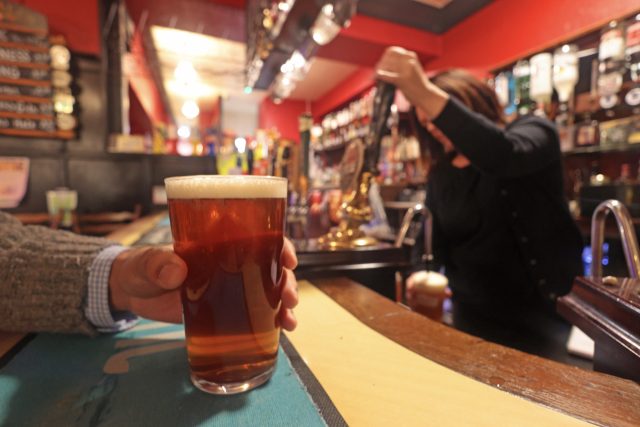
The latest Market Watch report from The Oxford Partnership, produced in collaboration with data insights firm Vianet, suggests a shift in consumer behaviour as rising prices continue to affect disposable income. While average spend per head grew – up 0.9% on drinks and 1.6% on food – it still lags behind the Bank of England’s inflation forecast of 4.0% for the same period, signalling a squeeze on real-term growth.
Alison Jordan, CEO of The Oxford Partnership, said: “What we’re seeing now is a more measured, experience-led recovery.
“Consumers are going out less frequently, but when they do, they’re making it count, staying longer, trading up, and choosing quality over quantity. Operators have shown incredible tenacity, maintaining opening hours and service standards despite intense cost pressures.”
She said that the Autumn Budget, set to take place on 26 November 2025, was a “critical moment”. Stability on business rates and taxation could “be the difference between steady progress and another wave of closures”, she added.
Longer visits, higher spend
The data also reveals the number of open hospitality outlets fell slightly in September to 99,691, down 0.3% compared to August.
Partner Content



However, those that remained open saw a 1.3% increase in occupancy, with average dwell times climbing to 142 minutes.
Category trends point to more selective consumer choices. World Lager retained its spot as the best-performing lager type, rising 3.3% over the past month. Premium Lager saw a modest 0.5% increase, while Stout outperformed all other categories, jumping 8.8% month-on-month. This signals a renewed interest in heritage-led and familiar brands.
Call for government action
Regionally, longer visits and higher spend per head were consistent themes. London, the East Midlands and the East of England all reported dwell time increases of more than 10%, suggesting that consumers are treating nights out as more meaningful experiences, even as the overall number of venues contracts.
Despite the challenges, the average hospitality venue remained open 64.6 hours per week, a figure unchanged from last year, indicating that many operators are prioritising availability to capture as much trade as possible.
As the industry enters the crucial run-up to Christmas, The Oxford Partnership says true recovery will depend on real-term growth outpacing inflation, supported by government action on business costs and policies that encourage reinvestment and job retention.


