



Simpson’s to dedicate 60% of its grapes towards English still wines
Kent producer Simpson’s says the warmer weather this year has led to “riper and fuller flavours” that lend themselves especially well to producing still wines, writes Andrew Neather.
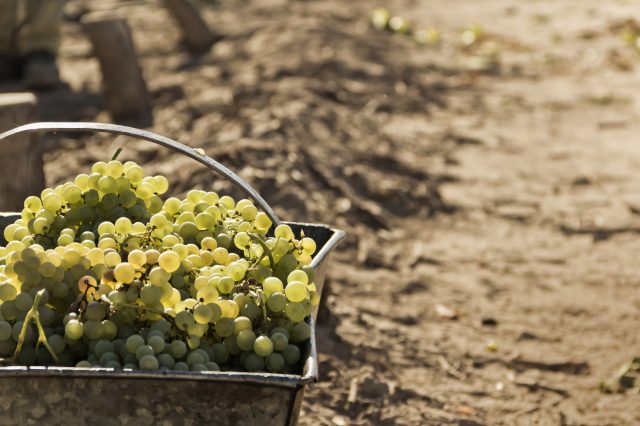
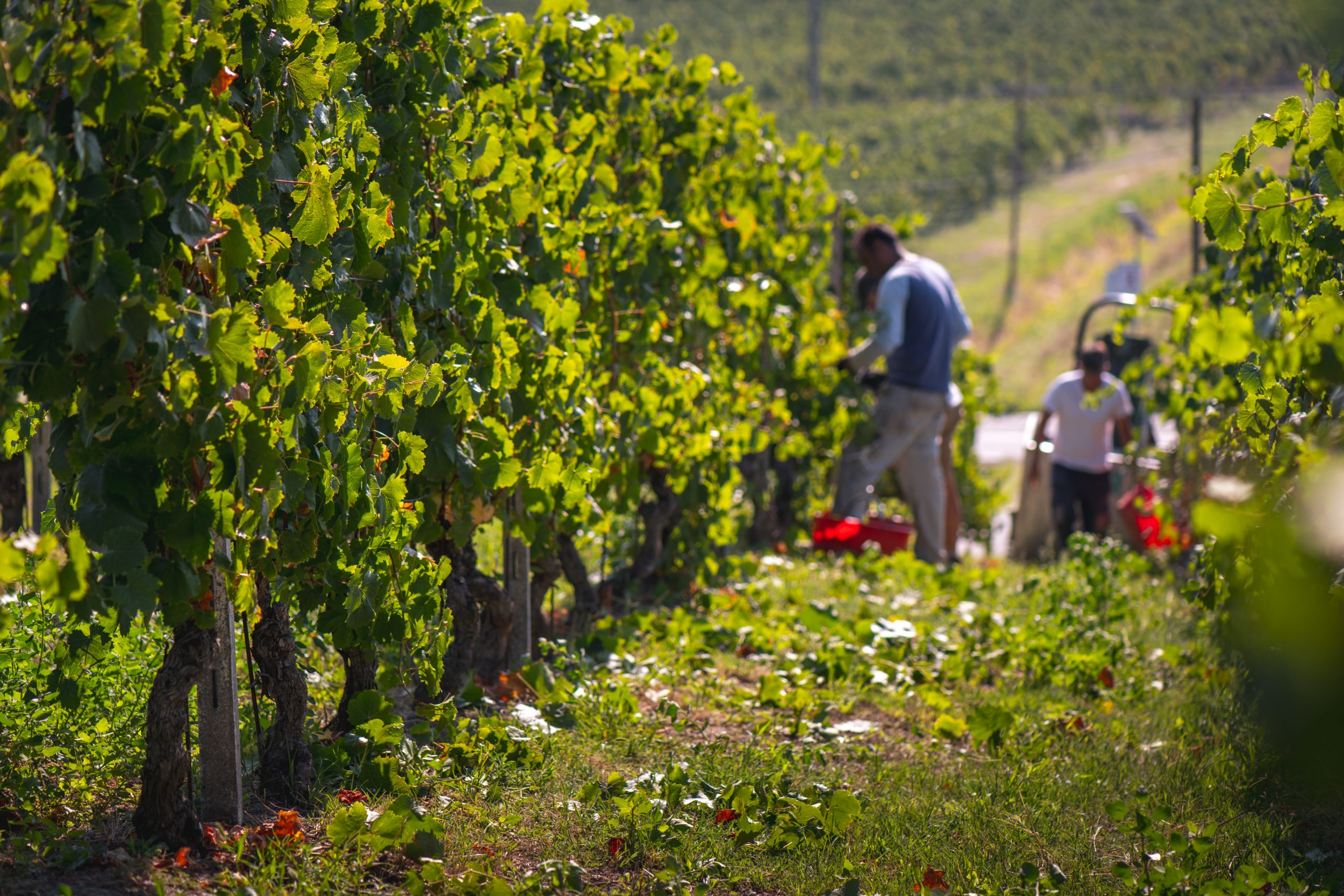
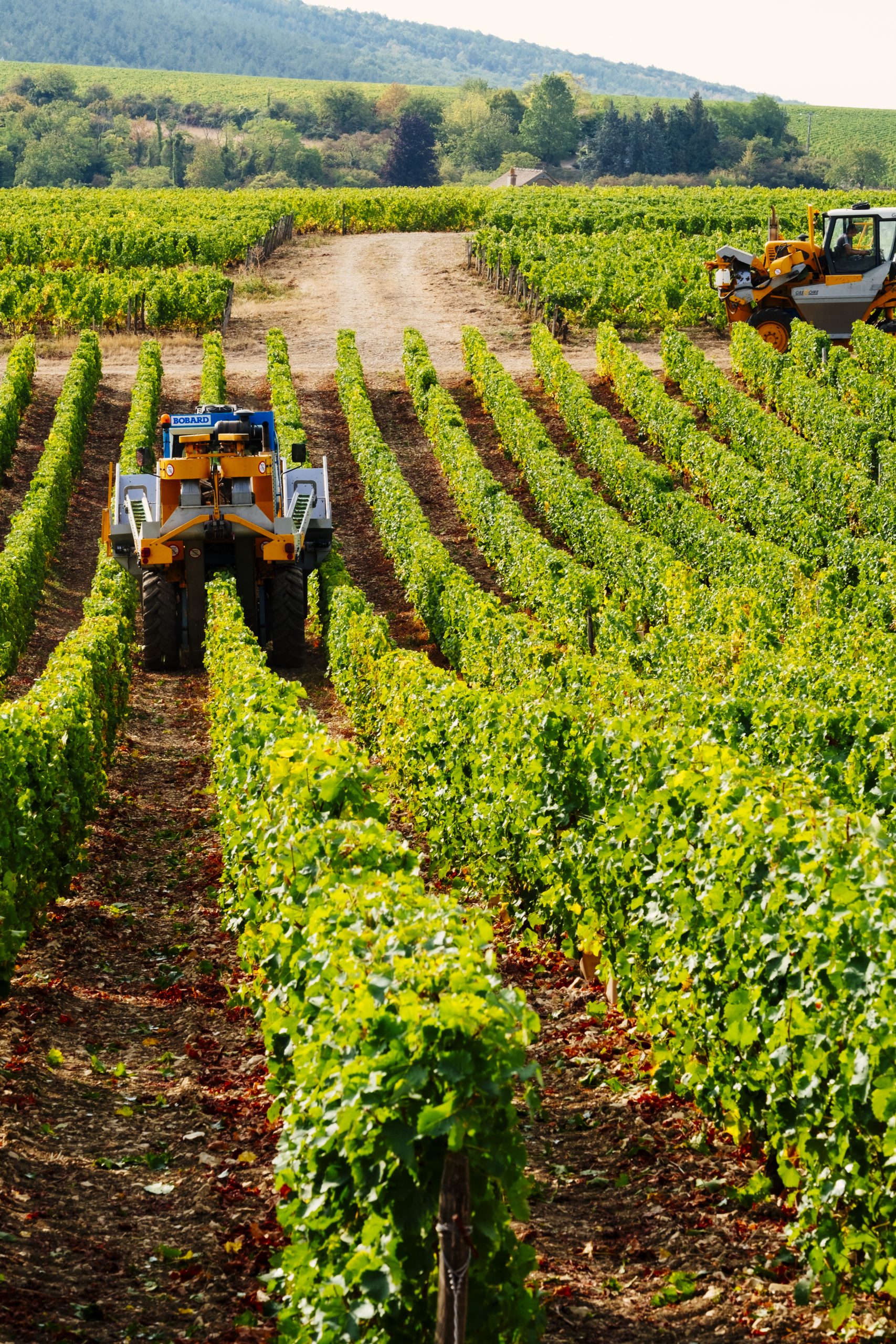
The harvest was in full swing on a glorious autumn day at Simpson’s Wine Estate last week. “It’s hard to believe it’s going to be 19 degrees today”, says co-owner Charles Simpson. This Kent producer, just outside Canterbury, started picking a full two and a half weeks ahead of its usual harvest start, thanks to extra summer sunshine – though yields will be only average to moderate as a result of the past two challenging years.
However, the most striking fact is that 60% of these grapes will go into still wines – and that Simpson’s will export half of their production.
The rise of quality English still wines was the big talking point out of last month’s WineGB tasting in London, in a sector where sparkling wine makes up two-thirds or more of production. But it was Simpson’s who first showed the way here, making still red and white still wines every year since 2018, with cuvées including its much-praised Roman Road Chardonnay and Rabbit Hole Pinot Noir.
Riper and fuller
This year, says co-owner Ruth Simpson, “the warmer weather conditions have accelerated grape maturity, giving riper and fuller flavours, which will be particularly favourable for still wine production.”
She adds, “sparkling production is also looking very promising as our analysis is showing that acidity levels are still balanced, with the cooler night temperatures helping conserve this.”
Yet despite being outside the big half-dozen English producers, with annual production of around 250,000 bottles, Simpson’s now accounts for almost a third of all English wine exports – and is the largest exporter of English still wines. It exports around half of its output, especially still wine, to markets including the US, Poland, the Netherlands and South Korea. But its biggest export success has been the Norwegian monopoly, Vinmonopolet, as well as the other Scandinavian and Canadian monopolies.
Simpson’s still Gravel Castle Chardonnay is the biggest-selling English wine in Norway, shifting around 50,000 bottles a year; when one Norwegian wine journalist compared an older vintage of it to Chablis Grand Cru, Simpson’s Chardonnay sold 18,000 bottles there in one week alone. In 2022 the Kent producer planted an additional eight hectares of Chardonnay at its new Bonny Bush vineyard to cope with demand for the wine.
Relentless focus
This success comes in part from a relentless focus on markets which puts Simpson’s in a different bracket to some wineries that function more as passion projects. It is a focus that the Simpsons honed with their first wine business, Domaine de Sainte Rose, making wine in the Languedoc since 2002. The couple say their mentor there, British winemaker and consultant James Herrick, pushed them to start Simpson’s with hard questions about their target market. Now when they give advice to new wine businesses, Charles Simpson says he asks them the same things: “how are you going to be different? Where are you going to sell the wines?”
Partner Content

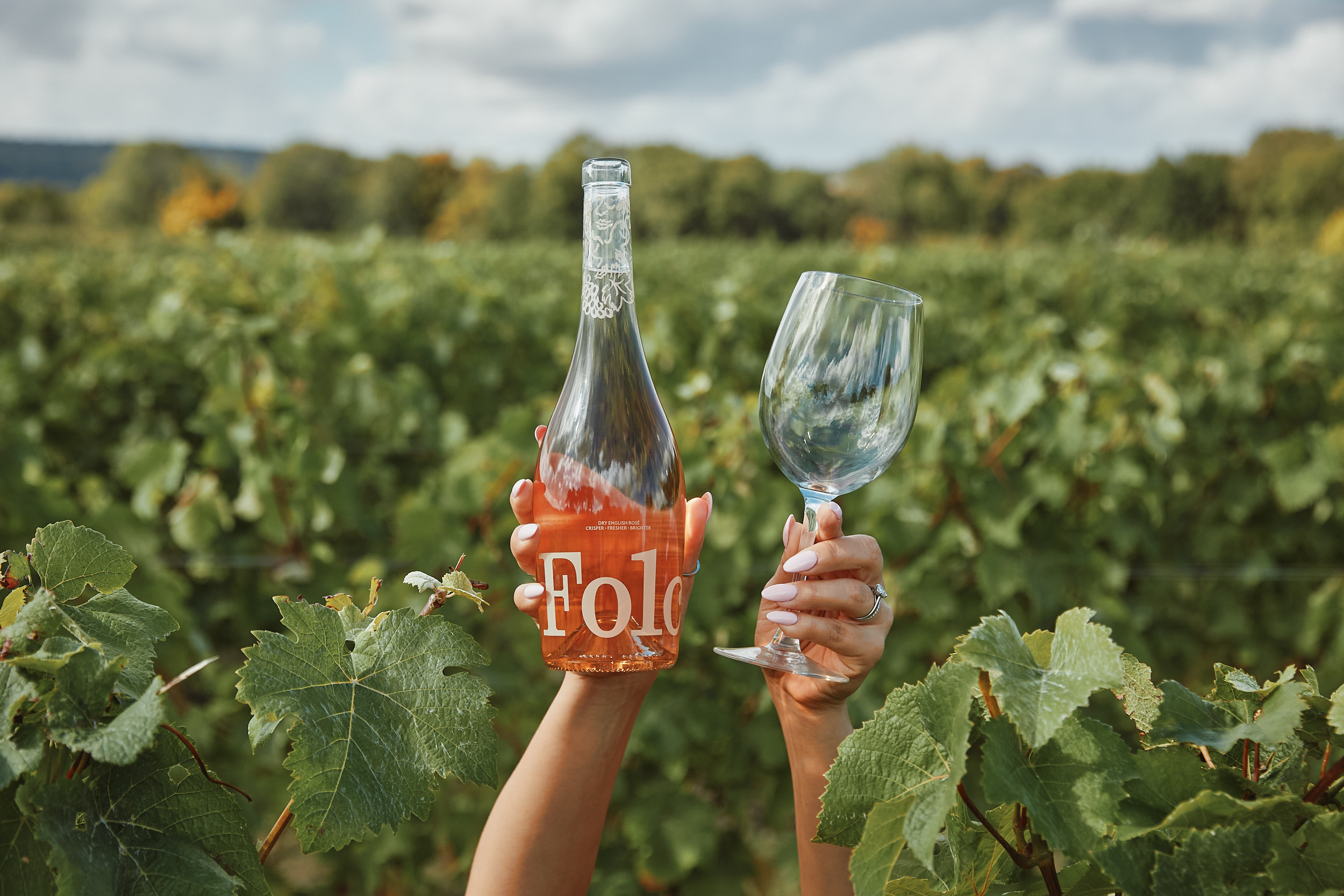
That meant that by the time the Simpsons decided to buy a property in Kent, first planting vines in 2014, they already had Domaine de Sainte Rose in the Scandinavian monopolies and an anticipation among buyers of their forthcoming English wines.
“I believe it’s the monopolies that have given us the market share,” says Charles Simpson. “It’s much simpler dealing with them than having to convince importers, retailers and consumers separately.” But also at work are Scandinavian tastes for wines with more bracing acidity, paired with fish-heavy menus.
It has brought Simpson’s “healthy profits”, they say – in contrast to several prominent English producers that have yet to make a profit at all. And for producers of English still wines, the estate continues to set a high bar for quality and innovation.
Advances in lab analysis
Last year, new wine laboratory Campden BRI launched in Surrey with technical manager Dr Gregory Dunn telling the drinks business that “English wine has been underserved when it comes to lab analysis…until now.”
As well as being the only facility allowed to grant PDO status, the lab is also the sole supplier of VI-1 export certificates for English wines bound for Europe.
“We are the gatekeepers for UK wine that leaves this country,” explained Dunn.
This gatekeeping involves everything from checking the ABV of a wine — “There’s big money attached to not getting this wrong,” says Dunn — all the way through to measuring sulphur, bacteria, yeast and mould, cold and heat stability and pressure for sparkling wines.
Analysts at the Campden lab can also also detect any allergens, toxins or pesticides present in a wine. “If someone sprays the wrong thing and the product is picked up in France it can damage the reputation of English wines,” says Dunn.
The laboratory team can also predict the shelf life of a wine by analysing how bottles will fare during transportation, and weigh up the likelihood of a wine suffering light strike before it goes on sale. All of these capabilities, along with continued producer investment and innovation means that English wine could soon look a very different beast to its earlier expressions.
Related news
10 award-winning English wines to drink during English Wine Week
WineGB Awards reveal growing diversity of English and Welsh wine
Champagne-baiting English wine brand invites public investment


