



Sake Day offers a chance to reflect on Japan’s national drink
To mark Sake Day, db looks at the current state of the sake industry. From a rice crisis to ‘sake-highs’, here are the key narratives emerging this year.
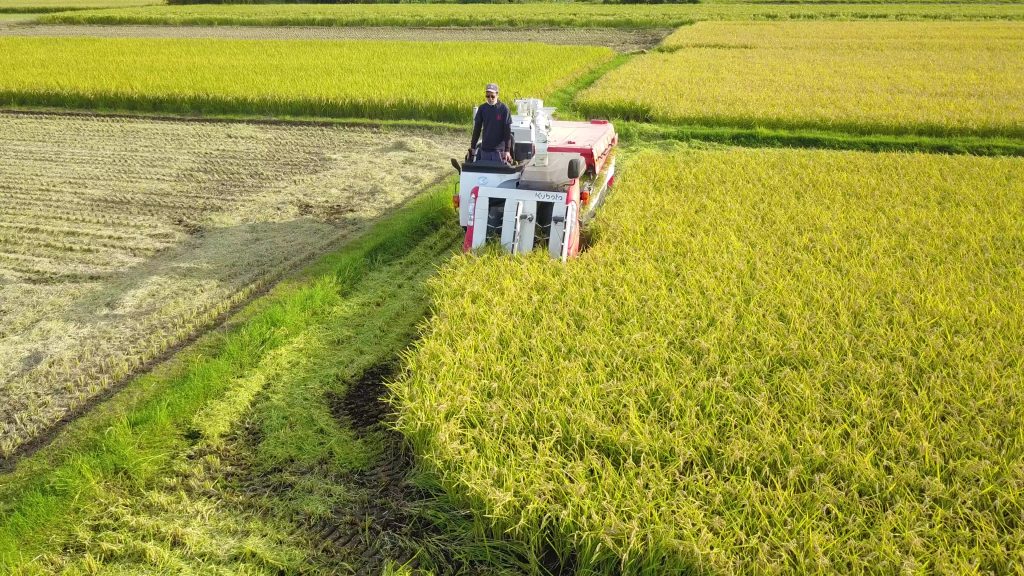
There is no better time to reflect on the world of sake than 1 October. Since 1978, the Japan Sake and Shochu Association (JSS) has marked it as Sake Day, a chance to celebrate Japan’s national drink.
Its origins are historical. Though now shifted to 1 July, the date used to represent the beginning of the ‘Brewing Year’ for sake makers. In addition, the Chinese character 酉 identifies both October in the zodiac and alcohol and sake jars.
Nowadays, Sake Day’s meaning is more symbolic. Yet the JSS takes it as a moment to, in its words, “pass on sake, Japan’s national beverage, to future generations”. It also provides an opportunity for international onlookers to assess the state of the ancient industry.
Long term trends set the scene
The world is very different from 1978. So too is the sake industry. From both a national and international perspective, sales and consumption patterns have changed drastically.
In the 1970s, a period that was much less globalised than today, domestic sake shipments saw their peak. In 1973, the record was set with 197 million cases (nine litres each) hitting the Japanese market.
Nowadays the figures are substantially lower; domestic sake consumption is around 24% of that peak. Yet sake still has a prominent position in Japan’s culture of food and drink. Per capita adult consumption of sake is 3.8 litres a year, which is higher than for wine (3.2 litres). Sake remains ahead of its most comparable competitors.
Overseas, the story is very different. Reliable records are only available as far back as 1988, when exports amounted to 2.2 billion yen from 50 countries and regions. By 2024, that had grown to a value of 43.5 billion yen, earned from 80 countries and regions. A notable increase of around 80% took place between 2020 and 2024, demonstrating the trajectory’s current relevance.
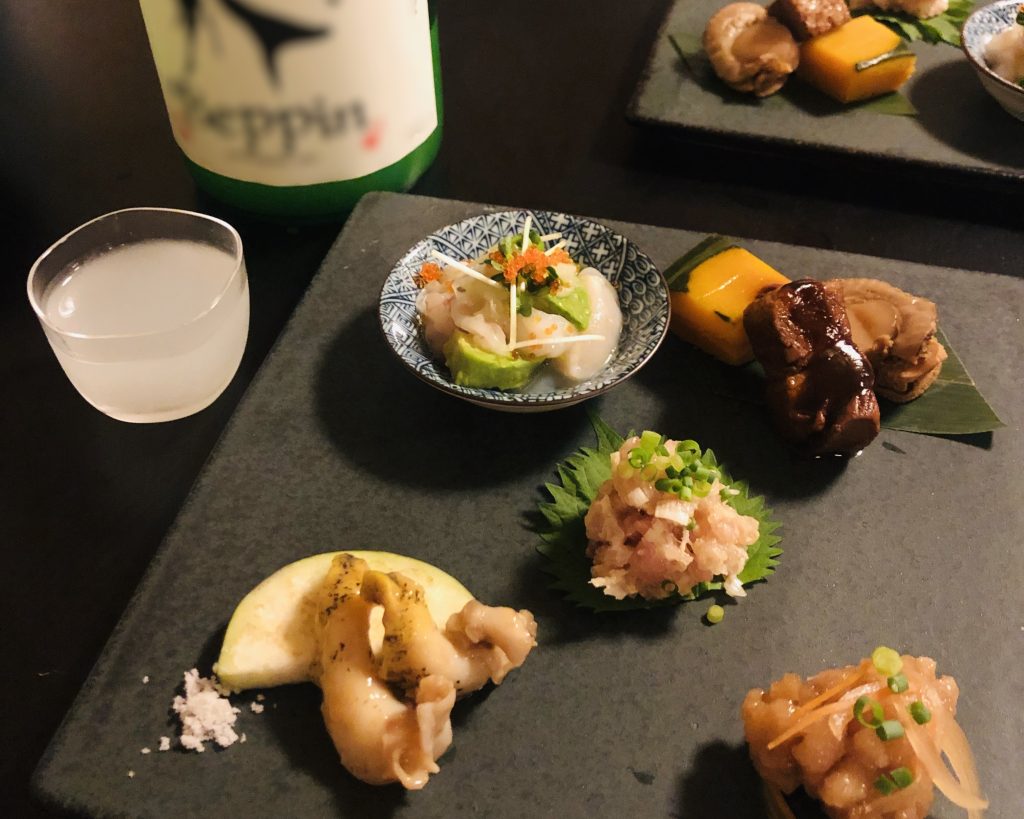
The average unit price has also risen in value. In 1988, it was 243 yen per 720ml bottle. By 2024, that had risen to 1,008 yen. This certainly seems to have been aided by the advancement of premium categorisations – called Tokutei Meisho-shu – such as Junmai and Junmai Daiginjo. The better known they are, the more value sake exports can achieve.
A specific challenge since 2024
Those sales figures should give sake lovers cheer: although the industry is far from its peak, it has adjusted to the new normal and shows strong potential. That is not to say, however, that the sake industry is without worries.
Over the last 18 months, rice prices have soared and there has been a shortage of sake rice. That is evidently a threat to sake producers.
Sake-specific rice (shuzo-koteki-mai) is labour intensive and lower yielding. Therefore, varieties such as Yamada Nishiki have always commanded a premium, often being around twice as expensive.
A shortage of table rice since 2024, however, has dulled that competitive edge. With other forms of rice bolstered by the scarcity value, there is significantly less advantage in cultivating sake-specific rice. Should the trend continue, sake production may not have the raw materials it needs.
The JSS has therefore had to campaign unusually heavily this year, requesting action to alleviate the effects of this rice shock from the government.
The JSS advancing its cause
Yet the JSS can still focus on advancing the cause of sake around the world. Besides that direct campaign to the government, the JSS has found many ways to keep sake in the global conversation.
It is highlighting the important role that geographical indications (GIs) have in the world market. Japan now has 18 GIs for sake production, a sign of quality that is also improving the recognition of regional characteristics.
To further improve sake’s reputation, the JSS has collaborated with sommelier associations, including the prestigious Association de la Sommellerie (ASI). Through masterclasses and tastings at the association’s events, as well as by featuring in its contests, sake is becoming more familiar to the sommeliers and experts who help drive global tastes. Sake featured, for instance, at the recent Best Sommelier of Asia & Pacific 2025 competition held in Malaysia.
Such events also help the association to understand its audience. “Through exchanges with contest participants, we learned that a luxury restaurant and bar group operating more than 70 outlets across Australia handles sake, and that fine dining in Vietnam offers sake pairings,” explains Nanoha Higuchi, overseas operations department manager of the JSS.
“I had perceived that sake exports to Asia, though large compared with other regions, were mostly supported by core enthusiasts in casual Japanese restaurants,” she continues. “However, the fact that fine dining establishments employing top sommeliers are now starting to handle sake shows that further market expansion is expected. To achieve this, strengthening educational and promotional efforts is essential.”
Future activities
The calendar is already filling up for such promotional endeavours. Though the work with the ASI is continuing, it is the tip of the iceberg.
In 2025, the JSS will host 5 of the world’s top sommeliers for a visit to Japan. They will visit Tohoku, a snow-covered region known for producing high-quality sake. There, the visitors will tour breweries and explore their ranges. The sommeliers will also discover the importance of koji mold through hands-on experiences, getting to grips with the ingredient behind soy and miso as well as, of course, sake.
Then, in the new year, the JSS will travel to Europe. Wine Paris and ProWein have long served as perfect displays for a wide audience, and the JSS knows how to capture attention. This, of course, is in addition to its programme of educational presentations and intensive training retreats.
Moreover, the JSS is proving attentive to changes in the world of sake. For instance, younger drinkers are now prioritising lower alcohol drinks. That means, in practice, low-alcohol bottlings and ‘sake-highs’: sake mixed with soda water to lessen its impact. Those changes in drinking habits are likely to require changes in commercial approach.
For all the tradition, the JSS is clearly facing forward in its plans. Sake Day is not tied to the Brewing Year any more but it provides an excellent reason to take stock. Sake may face current challenges, and it may not be at its historical peak, but the JSS has the tools to ensure that every Sake Day should be a cause for celebration.
Related news
Bordeaux and Hong Kong toast a five-year future
Sicilia DOC to capitalise on 'The White Lotus effect'
China is rebuilding its on-trade around a new kind of drinker


