



Michelin’s next course: rating the world’s wines
The Michelin Guide is expanding its empire once again, unveiling plans to launch a global wine-ranking system as part of its latest push beyond restaurants and hotels.
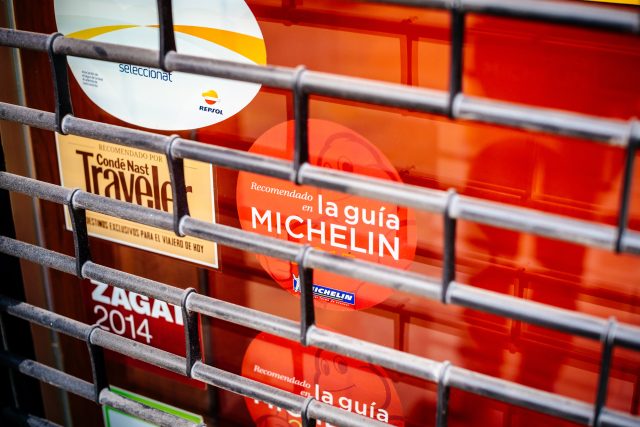
The Michelin Guide has announced plans to launch its own global wine-ranking system, expanding beyond restaurants and hotels in what chairman Florent Menegaux described as a mission to “conquer the world”, The Times originally reported.
Michelin, owned by the French tyre company, already controls The Wine Advocate, the publication founded by the American critic Robert Parker, often referred to as the “Pope of Wine”. For years, Parker’s maximum score of 100 was considered the ultimate mark of quality, particularly in Bordeaux, where producers altered their styles to match his preference for full-bodied, high-alcohol reds.
Parker’s influence, while immense, was not without controversy. Many observers noted that “Parkerised” wines fell out of step with modern tastes for lighter, fresher styles. Some critics have even suggested he contributed to Bordeaux’s current crisis, which has seen the French authorities pay out €120 million in subsidies to reduce production amid a sharp fall in demand.
Menegaux told The Times that the Michelin Guide’s wine ranking would be “more influential than Parker’s”, claiming: “The Michelin brand is much more powerful.”
The move marks the latest step in Michelin’s transformation from a printed restaurant guide to a global lifestyle authority. Over the past year, the company has begun rating hotels, introducing a “key” system in place of stars. At a ceremony this week, 1,742 hotels received one key, 572 were awarded two, and 143 achieved the top three-key distinction – including The Connaught and The Savoy in London.
Partner Content

The hotel listings have already become a lucrative venture for Michelin, which reportedly takes a 10 to 15 per cent commission on bookings made through its website. However, Gwendal Poullennec, the international director of the Michelin Guide, told The Times that its inspectors operate independently of the commercial side and are “under no pressure” to favour listed hotels.
Poullennec said that two decades ago the guide was unprofitable, with high costs from restaurant inspections and declining sales. Now, its business is booming – driven by partnerships with governments and brands seeking to align with Michelin’s culinary prestige.
In Saudi Arabia, the culture ministry has funded a new guide set to launch this month. Other partners include Blancpain, the Swiss watchmaker, and Metro, the German wholesaler, which has been accused of promoting industrial food in French restaurants.
The Michelin Guide now covers 69 countries, though Poullennec said printed editions exist in only a few, calling them “negligible for our economic model”. He cited government partnerships and hotel bookings as the guide’s main revenue streams.
However, not everyone is convinced. Yiting Deng, associate professor of marketing and analytics at University College London, warned that Michelin’s growing commercial ties could raise questions about its credibility. “If they work too much with governments, travel agencies and other related parties,” Deng told The Times, “there will be this question about credibility and how much their decisions are influenced by other parties.”
For more stories like this, check out db’s wine list confidential.
Related news
Vivino’s crowd reviews gain credibility in Cambridge study
Wine Advocate appoints British editor-in-chief for first time


