



Look beyond the super-wealthy to succeed in the Middle East
Breaking into Middle Eastern markets “isn’t all about targeting the super-wealthy”, Constellation Brands tells db. Wine companies mustn’t forget there are consumers looking for “everyday value”, too.
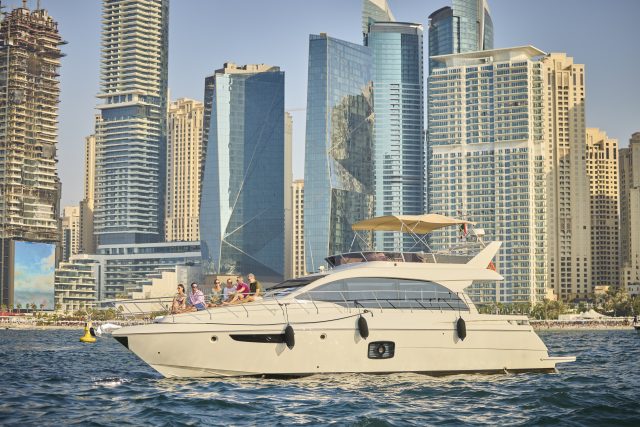
It’s easy to assume that the likes of Dubai and Saudi Arabia are all about high net worth individuals looking for the next big luxury purchase that will highlight their spending power. One need only scroll through social media to see well-heeled individuals posing by super yachts and Bugattis, or flashing Rolexes while wheeling Carl Friedrik luggage suites. But that’s only one type of consumer profile in the Middle East, and drinks brands should forget this at their peril.
“It’s not only about luxury,” Sara Fogarty, Constellation Brands’ regional sales manager for UK, Ireland, Middle East and Africa, tells the drinks business. “Don’t forget the ex-pat community who want everyday value.”
Continuing, she explains that “the wealthy guest that’s staying in an expensive hotel will be there for a week and then move onto somewhere else, while the ex-pat community stays put.” And those left behind are looking for more modest pricing, which is why Constellation keeps them front of mind for its premium range Kim Crawford, Ruffino and Robert Mondavi estate tier wines (rather than necessarily Robert Mondavi Winery’s ultra-premium To Kalon Vineyard expressions).
Not just deep pockets
For Constellation, “working with restaurants and brand partners with clientele that are able to understand and appreciate the wines, not just those who have the cash to buy them” is critical, explains Fogarty. Merely targeting the super-wealthy will not help with the “longevity” of a brand.
For this reason, Constellation “does a lot of education pieces” in Middle Eastern markets like Dubai in order to communicate the historical significance of Robert Mondavi Winery, for instance, in shaping the Napa Valley of today.
However, there’s no escaping the fact that deep pockets are required to partake in Robert Mondavi Winery’s top tier ‘reserve’ wines, produced using fruit from its legendary To Kalon Vineyard. These are wines priced at the cloud-piercing end of the scale, with the Robert Mondavi Winery To Kalon Reserve Cabernet Sauvignon retailing for about £180 per bottle, while others in the collection reach upwards of £600 per bottle – and that’s for the current 2022 and 2023 expressions just released to market rather than extraordinarily rare back vintages.
Partner Content
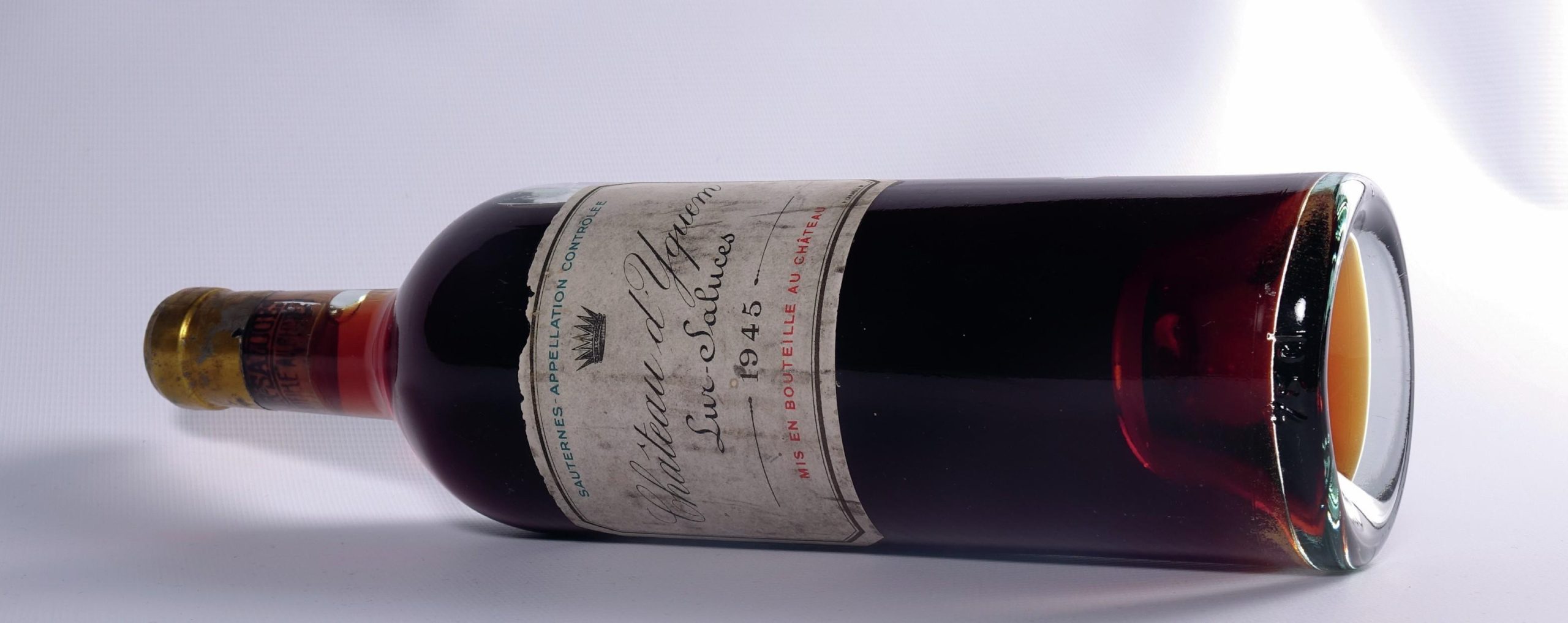


To some extent the eyewatering prices are justifiable given that only 12,000 or so bottles of the Reserve Cab are produced each year. Add to this the fact that “about 40% less wine than usual” was made in 2022 as a result of the hottest ever vintage on record for Napa Valley, and that scarcity starts to nudge the needle skyward.
Boots on the ground
Fogarty reveals that “Dubai is an important market for us,” and stresses the importance of having “boots on the ground” there. Indeed, this year Constellation chose just two markets – the UK and Dubai – in which to roll out its Global Release programme for the latest vintages of Robert Mondavi Winery, Schrader Cellars, Double Diamond and To Kalon Vineyard Company wines. In previous years, Constellation has prioritised the UK, Copenhagen and Shanghai for these launches, which goes to show the increasing importance of Dubai for the drinks giant.
Don’t make the mistake of generalising all Middle Eastern markets into one generic “Middle East”, Fogarty cautions. “They are all totally different propositions, from how you can advertise there to the growth of social media.”
Fogarty pinpoints Dubai as having a relatively mature social media culture, while “Bahrain is doing some interesting things on Instagram”. Qatar, on the other hand, is lagging behind other Middle Eastern markets on the social media front.
Rapid change
But if there’s one common ground shared by each of these locations it’s that things are changing rapidly. Ras Al-Khaimah in the United Arab Emirates (UAE) is one market that is perhaps “most driven by retail sales,” as opposed to on-trade sales, Fogarty explains. “But even that is starting to change as more and more casinos open.”
Similarly, the current status quo means “there are more players in Abu Dhabi” than Dubai as there are simply “more local alcohol licenses” in Abu Dhabi But as other Middle Eastern markets adjust their legislations, this reality too, is malleable. Fogarty references a recent tax adjustment that took place in Dubai this January that she suspects has “moved the market” already.
Above all, she champions the merit of having wines at different price tiers present in the Middle East to cater for all types of consumer as the sands continue to shift.
Related news
Middle Eastern cider, perry and mead market set to grow
Lay & Wheeler to enter Middle East
Ancient middle eastern farmers put wine before olives, study finds


