



Long, hot summer leaves cider makers with drinks too strong for pubs
Britain’s record-breaking 2025 summer has created an exceptional cider vintage, with apples rich in sugar and flavour but some small producers say their brews are now too strong to sell in pubs. As the on-trade cider market reaches a historic £2 billion valuation, makers are balancing quality with regulation.
The UK’s summer of 2025 has been confirmed as the hottest since records began, with a mean temperature of 16.10 °C according to early Met Office data. High-pressure systems, warm seas and dry soils kept temperatures persistently high and climate change raised baseline temperatures, making record summers more likely.
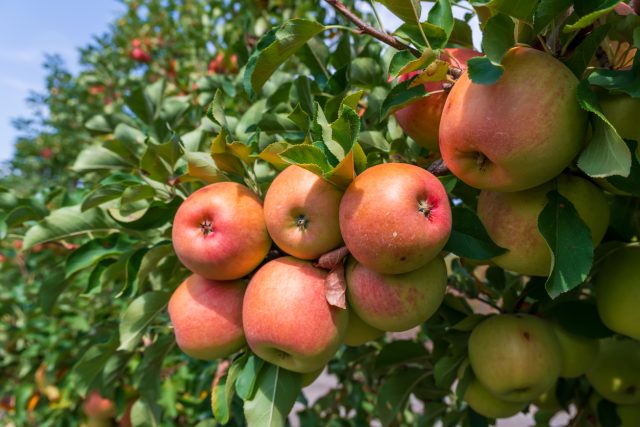
A wet 2024 followed by a dry, sunny spring produced what the National Trust described as a “mast year” for trees, yielding abundant fruit. The National Association of Cider Makers (NACM) said the warm spring and long, hot summer had created apples “full of rich flavours and natural sweetness” with high sugar and tannin levels that are “perfect for cider making”.
NACM chair David Sheppy called the 2025 harvest “a special moment, a time to reflect on all that goes into a drink with real character and connection”. He added that “British cider is more than a drink. It’s orchards, farmers, makers, communities and thousands of livelihoods.” The association estimates that the UK cider industry supports around 65,000 jobs across 15,000 acres of orchards and produces more than 700 million litres of cider every year.
Sweet success brings new challenges for small makers
For small producers, the abundance of sugar has created an unforeseen challenge. Rob Clough, owner of Charnwood Cider in Ulverscroft, Leicestershire, told Ashby Nub News that the hot summer produced a bumper crop. He said his apples and pears were sweeter than in previous years because “back-to-back sunshine has caused there to be a lot of sugar in the fruit”.
With around 500 trees on his 2½-acre orchard, Clough usually produces around 5,000 litres of cider and perry each year. This season, however, the increased sugar pushed alcohol content well above normal. Some batches reached 8.5% ABV and one came out at 10.5%, the highest in his 20-year brewing career.
Under HMRC duty rules, cider must remain below 8.5% ABV to qualify for small producer relief. Anything stronger is taxed at the much higher spirits rate of £29.54 per litre of pure alcohol compared with £10.02 for cider under the limit. Clough said pubs “don’t really want to have 8.5 per cent cider” because of the duty cost.
Rather than watering it down, Clough plans to bottle his strongest cider in 750 ml formats as a specialist premium product to sell at markets or as an alternative to wine with meals. “I never water down my cider,” he said. “I like to keep it proper traditional British.”
Partner Content




A buoyant market amid climate and duty pressures
The exceptional harvest coincides with renewed optimism across the trade. According to the Heineken Cider Report 2025, titled Cider Public House Rules and reported by the drinks business, cider has reached a historic £2 billion valuation in the UK on-trade for the first time. The category has grown 5% in value over the last two years and is now the second most popular alcoholic drink in pubs, bars and restaurants.
Draught cider has proved the engine of growth, accounting for 77% of on-trade cider sales by volume and worth £1.4 billion to the sector. On average, it is worth £21,500 a year to a pub operator. The report also revealed that throughout 2024, 342 million pints and around 114 million bottles of cider were sold in the UK on-trade.
Heineken UK on-trade sales director Will Rice said the report “reaffirms that there should be huge optimism for the category”. He added that “cider remains a staple for the vast majority of pubs and bars in the UK and consumers view it as a key part of the quintessential pub and bar experience. In fact, 79 per cent of consumers say it is an important consideration when choosing where to visit.”
Rice also said that operators investing in their cider range “are being really rewarded with increased money in the till” and described cider as “an easy win” for venues looking to boost revenue.
The recent revival of a grant scheme by the Three Counties Cider and Perry Association to support aspiring cider makers, together with Molson Coors’ £10 million investment in Suffolk’s Aspall Cider over five years, reflects confidence in the category. Somerset producer Thatchers’ successful trademark case against supermarket giant Aldi further demonstrated the growing commercial importance of cider branding.
Premium and packaged ciders gain ground
The Heineken Cider Report also found that premium flavoured ciders now represent 72% of cider sales, while no and low alcohol options are up 11% year-on-year. Packaged cider remains vital for operators, accounting for 28% of fridge sales compared with just 8% for beer. The report recommended that cider “take pride of place in the fridge over beer” because it offers greater variety and appeals to consumers trading up.
This shift mirrors the direction taken by small producers like Clough, who are focusing on premium bottled ciders that showcase craftsmanship and terroir. He said these stronger vintage ciders are ideal for pairing with food and offer a high-quality alternative to wine.
The taste of change
The long hot summer of 2025 has delivered a once-in-a-generation cider vintage, rich in sugar and complexity. Yet for small producers, the very ripeness that defines the year’s fruit also risks pushing alcohol content beyond the duty limits that govern the category.
Related news
Frightened Rabbit drummer launches cider festival


