



How Port emerged as the mixology world’s unlikely star
Port is becoming an essential weapon in any bartender’s arsenal, with producers launching modern cocktail spaces to showcase the versatility of the fortified wine. Will Port’s cocktail renaissance save the category – or alienate consumers? Amelie Maurice-Jones reports.
GEORGE SANDEMAN doesn’t drink alcohol every day of the week, just most of them. For one of his favourite nightcaps, he fixes up Port – a good ruby or tawny – with orange and bitters.
Having worked for his family Port house since 1971, it would almost be sacrilegious if he didn’t. But now mixologists and consumers alike are decanting Port away from cheese, cigars and Christmas trees and giving it a new life in Spritzes, Negronis and Martinis.
The fortified wine has been on a mission to shed the cross it bears as “your grandmother’s favourite drink” for some time now. It’s a fleeting label as, if today’s trends are anything to go by, elders in 50 years’ time will be nursing not Port and Stilton, but Buzzballs with squares of Dubai chocolate.
In 2024, wine writer Simon J Woolf warned that producers are in the midst of a “prolonged existential crisis”, with Port sales plummeting by almost 25% between 2006 and 2021, according to figures from Instituto dos Vinhos do Douro e Porto (IVDP), reflecting a broader picture of consumers falling out of love with wine more generally. Last year, global wine sales fell to their lowest levels since 1961.
On the flipside, cocktails are enjoying a major revival, with consumption booming by 300% from 2019 to 2022 in the UK, according to analysis from drinks giant Diageo. The gin & tonic has even outstripped tea as the country’s favourite drink, which is when you know things are getting serious.
In 2021, a slew of Port brands, including Taylor’s, Croft, Offley and Cockburn’s, launched premixed, canned Port and tonics to make the most of the RTD trend, and now they’re broadening their mixology remit in a bid to unlock new markets.
Rethinking Port
For Sandeman, who is now a consultant at Sogrape after the latter acquired Sandeman in 2002, it all begins in Portugal, the birthplace of Port. In 2024, the southern European country saw a record year for tourism, welcoming 31.6 million guests. The UK was the top market for international visitors, followed by the US and Germany. Sandeman believes that teaching Portuguese mixologists to use Port means they will, in turn, serve Port cocktails in bars and restaurants, prompting tourists to “change the way they think about Port”.
He’s onto something: historic Port house Symington Family Estates has the same idea. On 21 September, the producer launched a wine lover’s dream house in downtown Porto, aiming to open the eyes of tourists on the river’s north side to Port’s versatility.
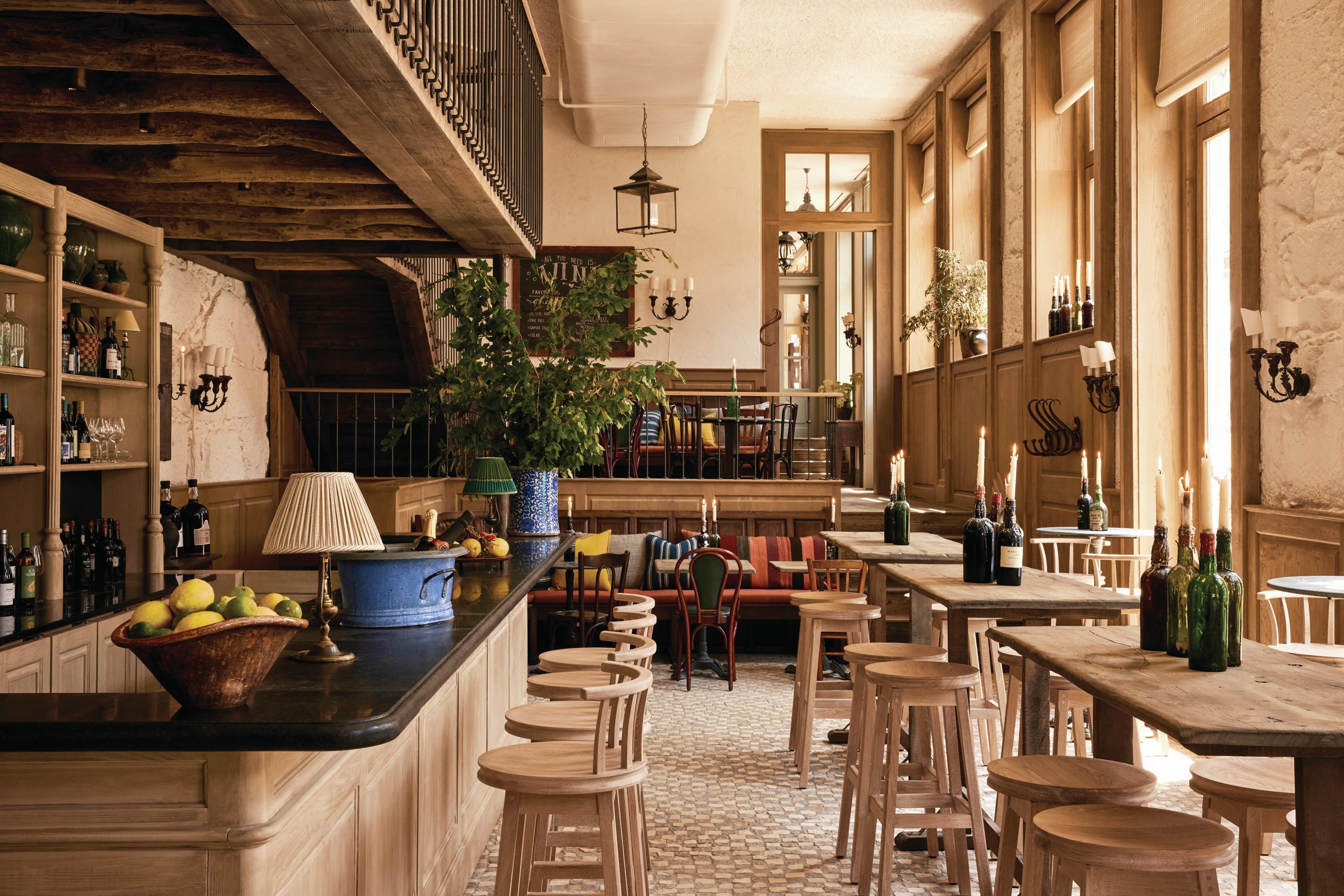
Step into Matriarca and you’ll discover a wine bar, cellar, academy and restaurant, but you’ll also find a cocktail bar spanning the third floor. “From the outside it might seem like we’re a traditional family business, but we’re very forward-thinking,” asserts Charlotte Symington, the producer’s marketing manager, and part of Symington’s fifth generation. “We want to respect our heritage, but we also want to understand the reality of bringing Port into the 21st century.”
This looks like paying homage to Symington’s original 19th-century matriarch, Beatriz, while opting for slick designers from Soho House for Matriarca’s interiors. It’s all part of honouring the traditional ritual of drinking Port post-dinner at home, while also ‘decontextualising’ it through showing how it works in a diverse mix of scenarios: from drinking with friends on a rooftop bar to pairing with a high-end meal out.
Cocktail competitions and perfect serves
Cocktails on Matriarca’s bar menu are split into an ‘Original’ section, with innovative drinks including Figueira – a white Port, vodka, apricot, fig leaf and tonka bean serve – and Veludo, which combines tawny Port with rum, Earl Grey tea, pomegranate, hazelnut and spice. The establishment’s Recrafted Collection also reimagines iconic cocktails, such as the Paloma and Mai-Tai, with Port as the base. According to Symington, the cocktail bar prioritises signature serves over “wild and wacky” ingredients – with the hope that guests will return home, buy Port bottles and recreate the drinks.
It’s the same logic that drives Symington’s annual Blend Series Cocktail Competition, spearheaded by its Graham’s Port brand. The three-day event challenges bartenders from around the world to create new and exciting cocktails using Graham’s Blend Series Ports – Blend No. 5 White and Blend No. 12 Ruby. The fourth instalment of the event culminated in May this year, awarding various national winners, including Switzerland’s Roman Mutzner, South Korea’s Seung Hyeon and Portugal’s Afonso Garcia, in the finals held in Porto, Vila Nova de Gaia and the Douro Valley.
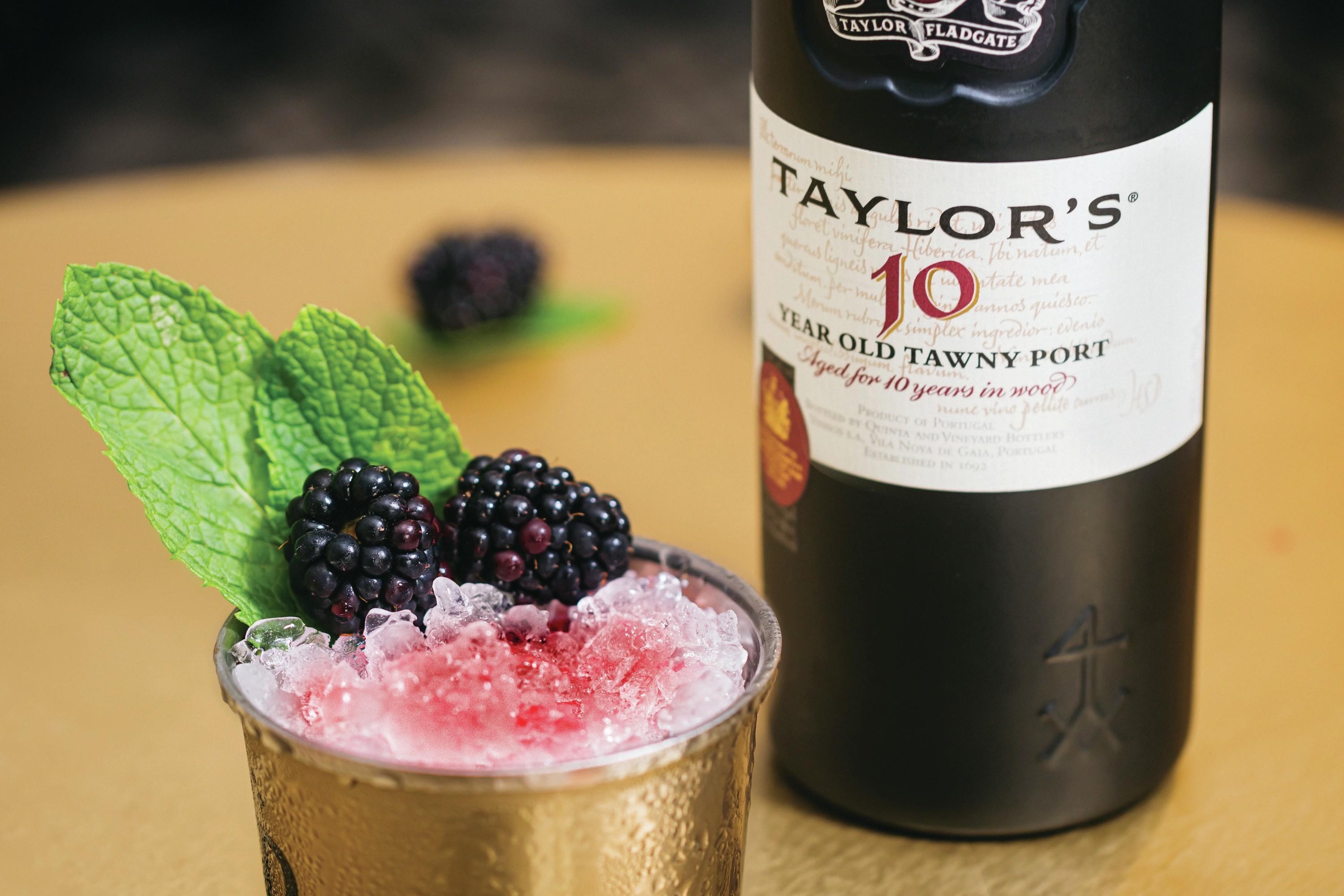
The idea is to spark a love story between the winners and the wine – and it appears to work. Symington says she is always seeing new listings in the mixologists’ bars: “They become ambassadors for life.”
But before Matriarca, there was Port producer Churchill’s 1982 Bar, waving the flag for Port cocktails. Almost entirely outdoors, located in a pocket of greenery inside Cais de Gaia’s warehouse district, the bar began as a Covid-19 project, selling socially-distanced picnics. It then pivoted to mixology, and now operates throughout summer, with a rotating roster of local chefs promising a “postindustrial chilled vibe”, according to Churchill’s co-CEO Ben Himowitz.
It stands in sharp antithesis to the formality of some other Port houses. Himowitz believes this sums up the brand’s philosophy, saying: “A twist on the iconic, not running away from tradition, but bringing a breath of fresh air to it.”
He continues: “In the past, people were brought into Port through family traditions and holidays. Now, people are discovering wines through travel and cultural exploration – hence why there’s lots of interest from a mixology standpoint.”
What do bartenders think?
But is there? Despite efforts in Porto, are Port cocktails really taking off? Chris Tanner of Dram Bar in London’s Soho recently told db that fortified wine was the city’s “cocktail trend of the summer”. And Emer Landgraf, head sommelier at Bar Valette in Shoreditch, has also seen an uptick in punters ordering Port cocktails, spurred on by the white Port and tonic trend.
“The global increase of basic food and drink knowledge has made consumers more focused on terroir-driven products,” explains Landgraf, who’s been toying with a Port riff on a Manhattan.
“The bespoke cocktail movement has primed the consumer for a more nuanced and historically rooted drink, which is where Port comes into play.”
At Lyaness on London’s South Bank, Ryan Chetiyawardana, one of Britain’s most heavily awarded bartenders, has also noticed white Port cropping up more frequently on menus, although he admits it’s still a niche request. “I’ve used white Port in a few collaborative drinks recently and they’ve been well received,” he says. “Ruby Ports have an incredible concentration of red fruit notes and can bring a wonderful fuller sweetness in contrast to a syrup, while tawny Ports have an incredible balance of oxidised fruit notes with a tertiary set of flavours that can only come from aged products.” According to Chetiyawardana, “this can be an incredible tool for cocktails, whereas white Port has a bright acidity that has a more citrus-style profile in contrast to a fino Sherry.”
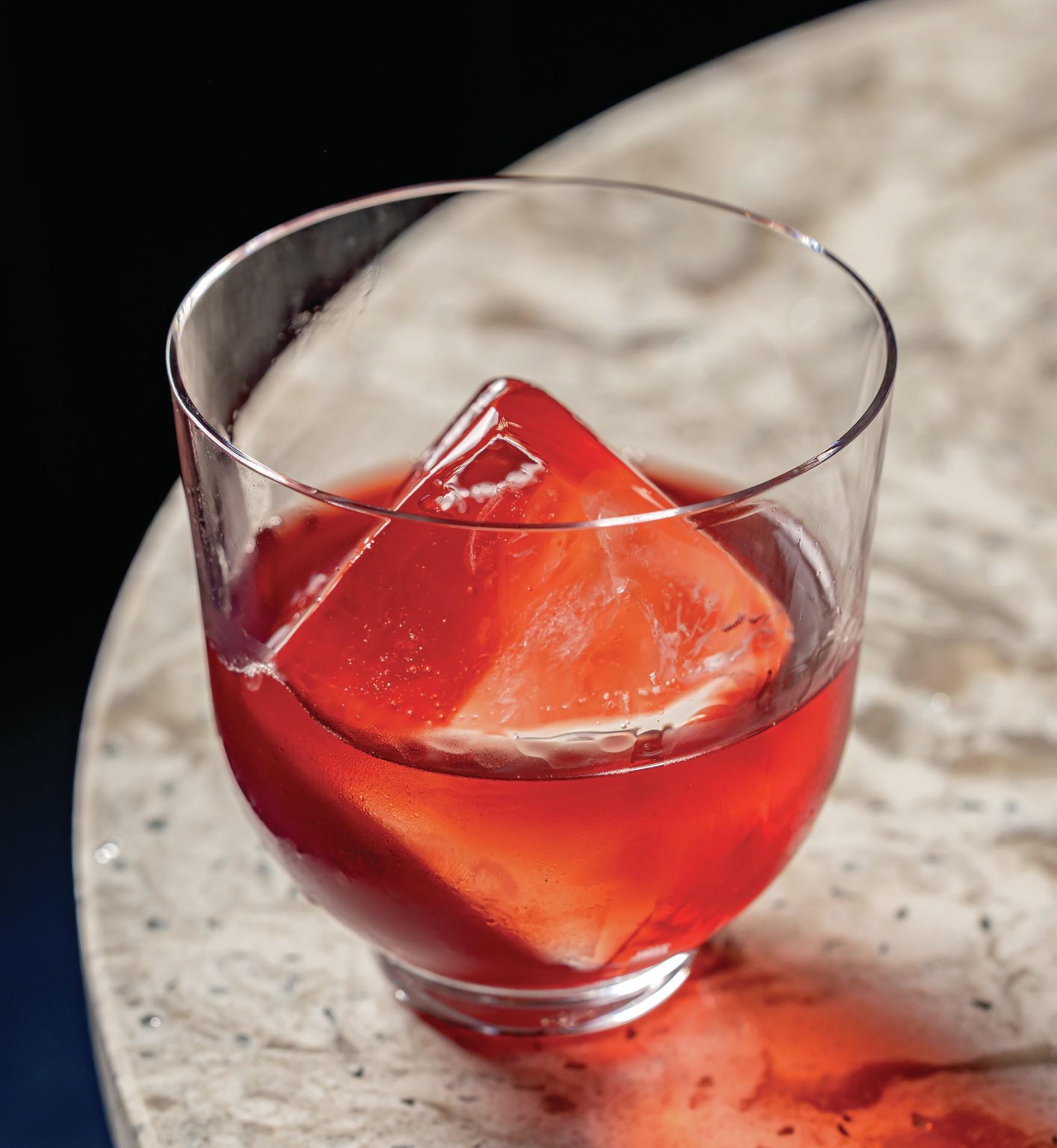
He explains that the most famous ruby Port serve is probably the Coffee Cocktail, which incorporates Cognac, Port, sugar and a whole egg, but adds that tawnies also make for great vermouth substitutes, as the ageing process introduces notes of nuttiness and caramel. Meanwhile, white Port is great shaken into sours.”
For Bar Vallette’s Landgraf, Port brings “weight, sweetness and viscosity” to a cocktail. And plenty agree, with white Port in particular shining across London’s menus: Shoreditch’s Swift sells a white Port serve with gin, sake, genmaicha tea and bitters, and The May Fair Bar pairs it with gin, vermouth, citrus and sangria in its Spain-inspired cocktail, Gaudí.
There’s another silver lining to all this. As Mario Hernández, bar manager at Eve Bar by Adam Handling in Soho, points out, Port goes “really nicely with food”. The bar’s Port cocktail, Plum (pictured left), is one of its bestsellers. It’s a twist on a Whisky Sour, and incorporates late-bottled vintage Port Barros LBV.
Hernández shares the recipe: “To make this drink, we started by infusing fresh plums into Michter’s Original Sour Mash Whiskey. Then we realised we could bring out the flavour of the plum even more if we added some quite unexpected – but delicious – ingredients. We infused roses into Discarded Sweet Cascara Vermouth and then added clarified lemon juice and the all-important Port.” Eve Bar’s snack menu is designed to complement the drinks. Pairing Plum with duck or cheese doughnuts was an “easy match”.
High to low
Port also lends itself to current mindful drinking habits. On one hand, it’s seen as a high-ABV wine, with an alcohol content of around 19%–20%, but in cocktails, it assumes the role of a low-ABV spirit. In contrast, gin’s alcohol content can hit 50%. For Himowitz, this synergises with today’s consumer shift towards more conscious drinking. Port also offers a “clear back story” of provenance and process, tapping into desires to understand the story behind the bottle. “It offers a way into the lower-alcohol space that still uses traditional, trusted alcohol,” he says.
Some Port producers are going one step further and even changing the style of their wine to suit mixology. For instance, Symington has come up with Blend No. 12 – a lighter, crisper ruby-style Port which spends only a short period ageing in barrel, with grapes picked at midnight to lock in freshness. Sogrape has also released a red, white and rosé Port trio aimed at cocktail-making and packaged with a quirky, floral design.
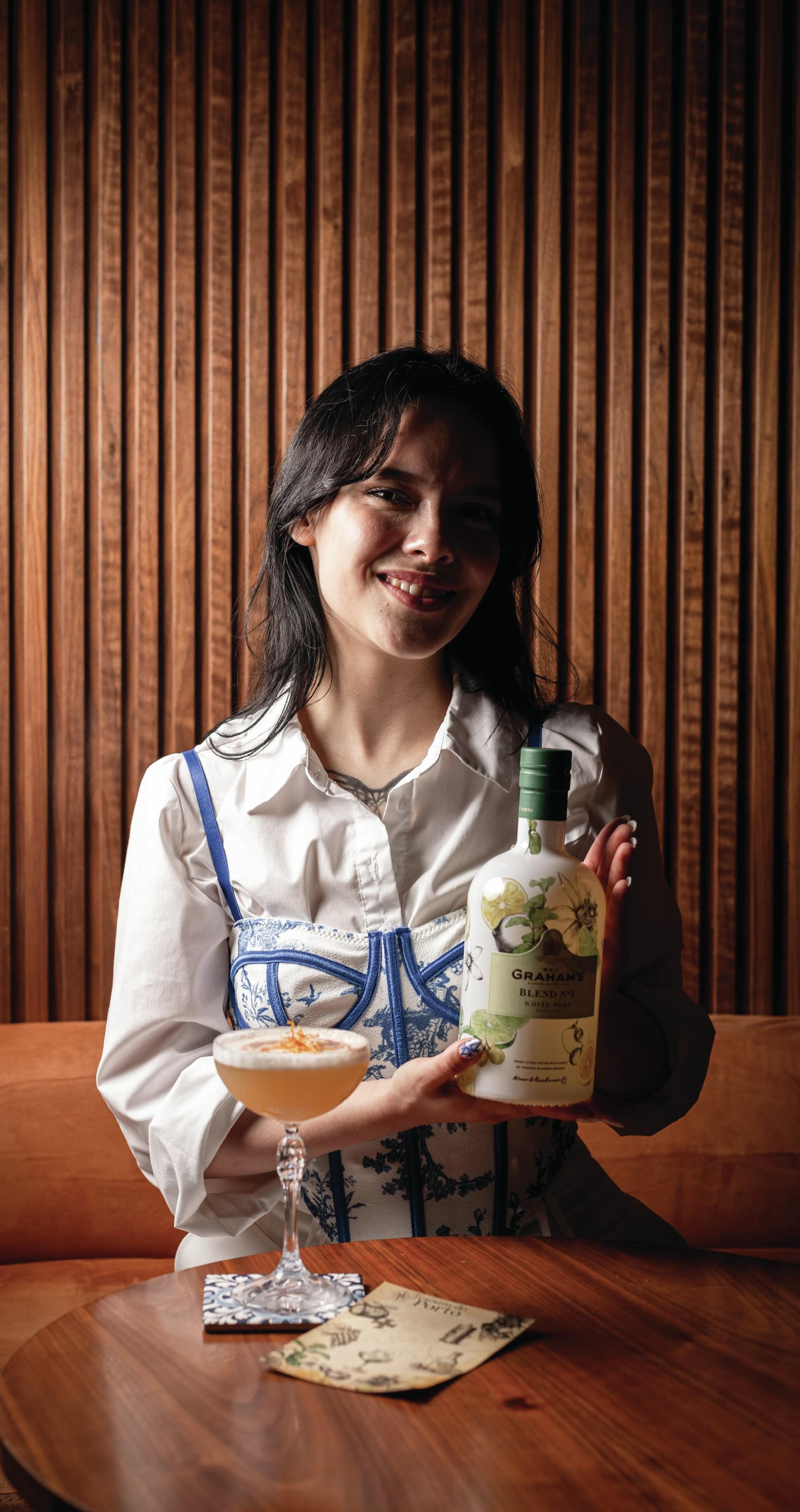
Meanwhile, other winemakers are capitalising on the qualities of their existing styles. As a boutique producer, Churchill’s Himowitz is “excited” by the consumer trend of veering towards premium alcohol, and sees drinkers engaging more with wood-aged Port, rather than vintage or ruby-focused Port.
And, while Taylor’s isn’t altering its existing styles per se, Adrian Bridge, the CEO of parent company The Fladgate Partnership, tapped into an entirely new customer base when he invented rosé Port in 2008. Launched on Valentine’s Day, the pink tipple was sold as ‘Port without rules’.
But Bridge thinks there’s room for everyone to enjoy Port their own way, pointing out: “When King Charles held a State Banquet to honour President Macron earlier this year, they served Taylor’s 1977 vintage Port, which is very traditional. That didn’t have any impact on what we’re doing with pink Port round the corner.”
Does Port still have an image problem?
Whether or not King Charles could be wooed by a Port Spritz points to a bigger issue: Speaking to producers, the muddy waters of cultural baggage become clear: “stuffy”, “posh” and “old” are stereotypes that still cling. Sandeman puts it best: “If you went out for dinner in the UK and someone served Port at the end of the meal, they’d get teased for being fancy or showing off.” On the other hand, purists are put off by innovative Port cocktails (“it’s hypocrisy!”).
Richard Mayson, fortified wine consultant and author of Port and the Douro, is one such purist. “I like my wine unmixed,” he attests. In general, he’s wary of wine brands going down the cocktail route – claiming it’s “something of desperation”. Still, with the younger generation turning their backs on wine, Mayson concedes that producers should consider having a go at promoting mixology. “It’s not the first time that Port has been mixed,” he says, pointing to Port and lemon, which was a popular pub classic in the 1960s.
Trends are cyclical, which is why it’s vital for producers to play the long game. “As a family business, as much as trends are super-important to us, we’re not just thinking of this year or next summer, we’re thinking: ‘What will make people still want to drink Port in 15 or 20 years’ time?’” Charlotte Symington says.
“We’re obviously leveraging existing trends, like the aperitivo moment, but the overarching question is what will prolong the innovation and continuity of Port, rather than provide short-term wins.”
In one sense, leaning into cocktails isn’t really about cocktails at all.
“At the heart of everything we do is Port served neat,” adds Symington. “We see the mixology world as a door-opener. It shows off the versatility of the drink, but then moves people into different categories of Port. We feel strongly about doing both things really well. So we want our Port cocktails to continue, but we hope that it doesn’t take away from our core business.”
Thinking long-term means zooming outwards. Symington’s mixology push is part of a wraparound effort to reach new consumers: pop-up events, zesty packaging, 4.5-litre tawny bottles, serving Port chilled, and pairing it with sweet treats like tiramisu and apple tart are just some of the ways the producer is broadening the perception of what Port can be. But, Symington stresses, the effort has to be industry-wide: “If we’re all working together and speaking the same language of trying to do new things, we’ll achieve way more.”
Fortunately, Port producers seem more aligned than ever in their mission to reach new audiences, fuelled by rock-solid faith in the wine’s enduring versatility. And when Himowitz declares, with full conviction: “Port is ready for a resurgence,” it doesn’t sound like wishful thinking – it sounds like a promise.
Related news
Cono Sur carves out Chile’s signature Pinot Noir style


