



Champagne 1995 v 1996: A tale of two vintages
The mid-1990s offered two consecutive high-quality Champagne vintages, with 1996 initially overshadowing its predecessor. Three decades on, how did the wines stand up during a special tasting organised by Bordeaux Index? Richard Woodard reports.
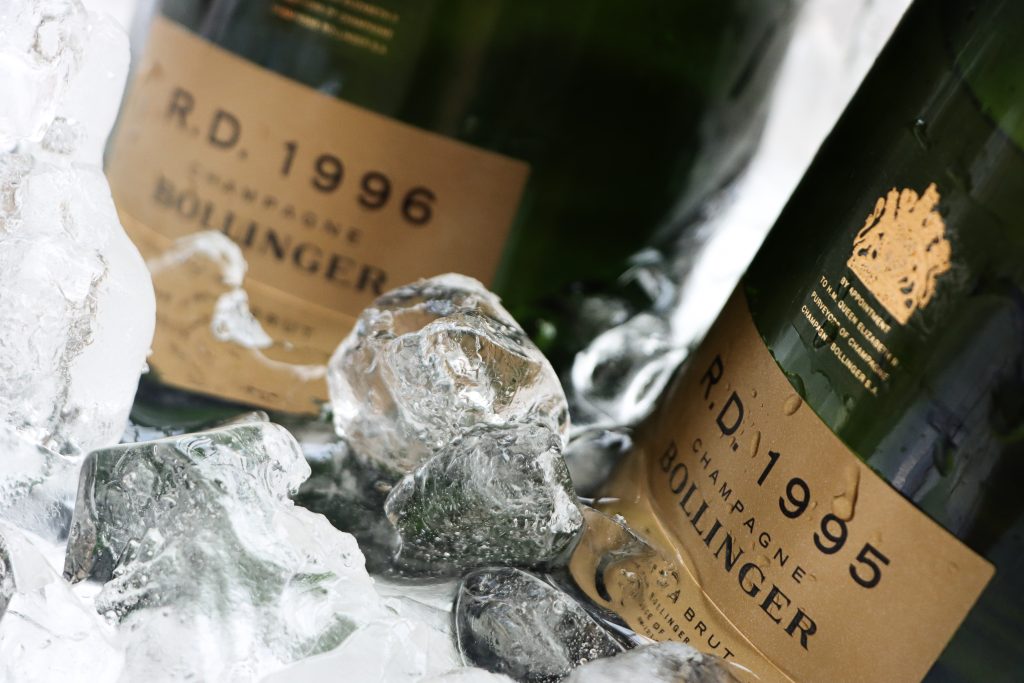
Assessments of vintage quality often change over time; as wines evolve through the years, they are retasted and reassessed, with less heralded harvests sometimes snatching the limelight from their more highly praised rivals. It’s nearly 30 years since Champagne’s excellent twin vintages of 1995 and 1996 – so how are they holding up?
A recent tasting organised by Bordeaux Index aimed to answer this question, featuring both vintages and a galaxy of stellar names from the region: Taittinger Comtes de Champagne, Louis Roederer Cristal, Krug, Salon, Charles Heidsieck, Philipponnat Clos des Goisses LV, Bollinger RD and more.
Both years were lauded on release, but 1995 was soon somewhat in the shadow of 1996 – a highly unusual year characterised by high acidity and excellent ripeness, which marked it out as a year to lay down, compared to 1995’s supposedly more immediate drinking pleasure.
Today, however, the wines defy such easy pigeonholing. “It depends so much on the house,” says Laurence Alamanos, export sales director at Champagne Ayala, which supplied specially prepared, late-disgorged bottles of Ayala ‘La Perle’ 1995 and 1996 for the tasting. “For the bottles that were recently disgorged and more Chardonnay-driven, ’95 is showing slightly better – maybe because you have more acidity when recently disgorged.”
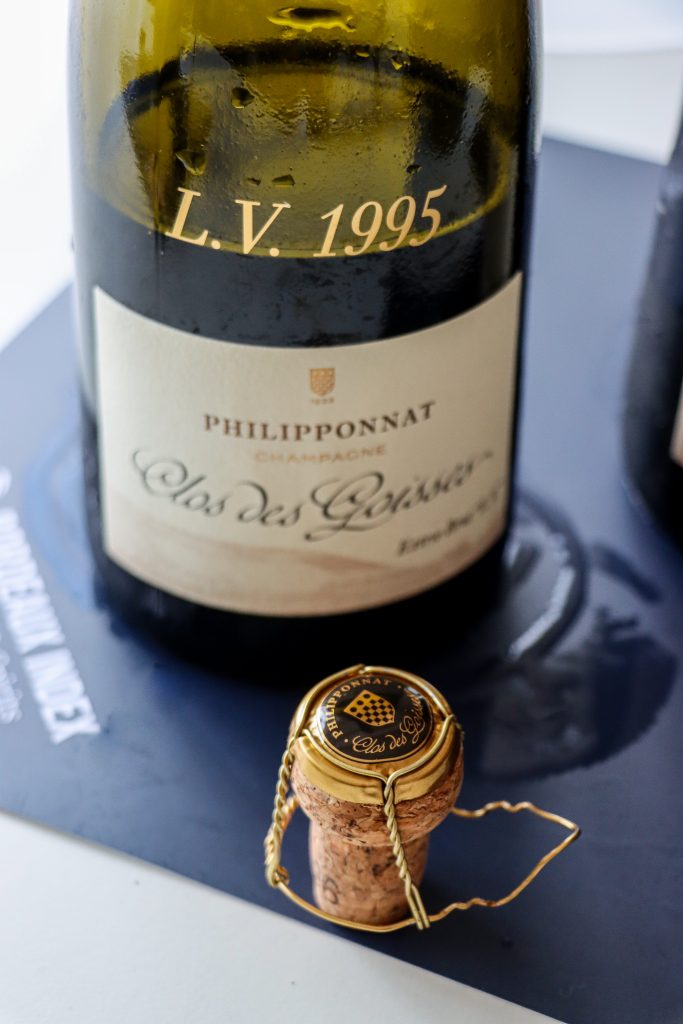
“Before I came, I was under the impression that the ’95s would win, because I tend to prefer the ’95s, which I find better-balanced and with better acidity,” adds Charles Philipponnat, president of Champagne Philipponnat, which supplied Clos des Goisses LV (long vieillissement) bottlings from both vintages. “But ’96 has that zest and acidity and freshness.”
“The best 1995s were more inviting on the day: forward, generous and sumptuous, with toasty, aromatic fruit,” says Bordeaux Index Champagne buyer Katherine Fisher. “Some may be approaching or just past their peak, occasionally lacking a touch of tension 30 years on. Understandably, the late-disgorged 1995s were holding up superbly, offering fantastic complexity, freshness and vibrancy, with some truly thrilling examples.
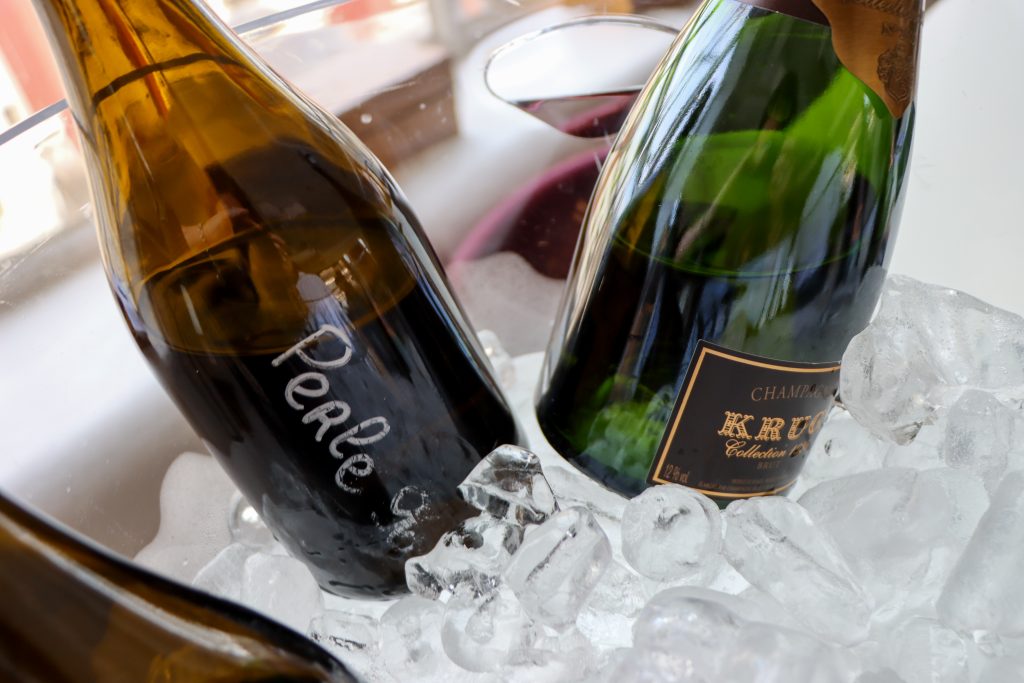
“The 1996s showcased the vintage’s signature steely, zesty acidity. At times, this acidity could feel pronounced and slightly disjointed, but where the wines retained enough concentration, it signalled more things to come over the coming years.”
For Matthew O’Connell, head of investment at Bordeaux Index and LiveTrade CEO, the two Cristals – displaying the house’s more historic oxidative style – were highlights, as was Salon 1996, which “tasted exactly the same as when I last tried it seven years ago”.
Partner Content


Given that fact, is it strange to think that these wines are about 30 years old? “Well, I still think 2002 Champagne is young, and that’s 23 years old,” says O’Connell. “But these wines are at the age where there’s really not that much on the market. For the most part, finding a case that’s in pristine condition is tricky here.”
Collectors may have been more prone to lay down the wines of 1996 versus those of 1995 – both because of the reception given to the respective vintages, and because Champagne was just beginning to be thought of as a wine worthy of serious collecting when the 1996s came out. Nonetheless, availability is always an issue for Champagne back vintages of this age.
O’Connell sees much more focus on 2002 than the mid-1990s vintages in the current market, while pricing shows a clear premium for the older wines: some blue-chip 1996s trade for twice the price of their 2002 counterparts. “That shows that there is a clear availability premium here,” explains O’Connell. “And I think it’s availability, rather than demand. We might trade 10 times as much of 2002 compared to 1996 – the market relevance of these wines is not as high.”
In fine wine terms, Champagne has been in the news recently, amid reports of rising interest levels and hints that now might be a good time for collectors to re-enter the market. After all, it was not so long ago that Champagne was one of the strongest performers in the fine wine market, with pricing rising strongly and consistently between 2020 and 2022.
“We’ve definitely seen better volumes recently, but for the most part not higher pricing,” says O’Connell. “And new releases are still tricky. But the 2008s are starting to look quite cheap. Obviously, when they came out, they were quite expensive, but that premium has come out now. Cristal 2008 is around the same price as the 2002 – whereas previously it would have been well above.”
Meanwhile, the prices of top grower Champagnes are “not crazy”, O’Connell reports, but they do illustrate a broader truth about long-term Champagne pricing trends: “What was £400 is £250 a bottle,” he says. “But then it was £120 a bottle before 2020. Those prices have settled quite a lot higher than they were to start with.”
In other words, Champagne is, in O’Connell’s words, “reaching a firmer settling point from which to post future price growth”, with prices still higher than they were in 2020, despite recent declines. “People are broadly thinking that – for these new vintages rather than existing vintages – there’s some value and it’s a good time to buy,” he says. “And you need that before prices start to go back up again – you need people thinking: ‘It’s a good time to buy.’”
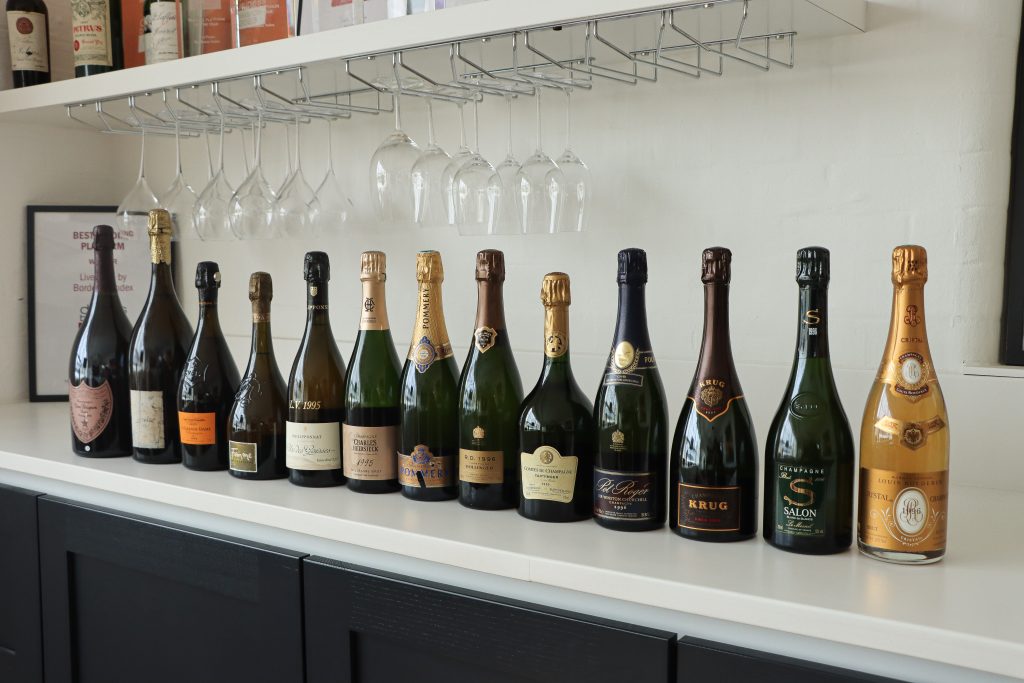
Full list of Champagnes at the Bordeaux Index 1995 v 1996 Champagne tasting:
- 1995 Taittinger Comtes de Champagne Blanc de Blancs
- 1996 Taittinger Comtes de Champagne Blanc de Blancs
- 1996 Pommery Royal Grand Cru Brut Millésime (disgorged 2006)
- 1995 Louis Roederer Cristal
- 1996 Louis Roederer Cristal
- 1995 Krug Vintage
- 1996 Krug Vintage
- 1995 Krug Collection (disgorged 2021)
- 1995 Ayala La Perle (disgorged 2024)
- 1996 Ayala La Perle (disgorged 2024)
- 1995 Charles Heidsieck La Collection Crayères (disgorged 2021)
- 1996 Charles Heidsieck La Collection Crayères (disgorged 2021)
- 1995 Philipponnat Clos des Goisses LV (disgorged 2020)
- 1996 Philipponnat Clos des Goisses LV (disgorged 2022)
- 1995 Bollinger RD (disgorged 2025)
- 1996 Bollinger RD (disgorged 2025)
- 1995 Duval-Leroy Femme de Champagne
- 1996 Salon Le Mesnil
- 1996 Veuve Clicquot La Grande Dame
- 1996 Dom Pérignon Rosé en magnum
Related news
10 things to look for when drinking rosé wine


