



Wine tourism diversifies as estates embrace hospitality
With climate change affecting the traditional model of wine tourism, are estates leaning on food, art and events to keep visitors coming?
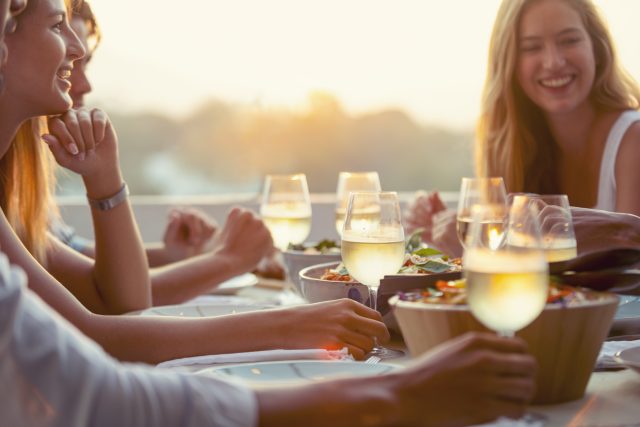
Wine tourism has long been built around vineyards and vintages, but producers are increasingly broadening their offer as climate change and shifting consumer expectations reshape the sector.
Earlier this year, db reported that UK wine tourism had boomed by 55% since 2022, according to WineGB, while a separate analysis of global wine destinations found that Portugal, Spain and South Africa offered some of the best value for visitors in 2025. Tour operators have also identified regions such as Piedmont, Rioja and Stellenbosch among the ten must-visit destinations this year. But with the traditional “wine tasting” model under strain, estates are seeking new ways to attract guests.
Hambledon: hospitality first
James Osborn, managing director of Hambledon Wine Estate in Hampshire, describes the shift as “necessary diversifications”.
“Hambledon Estate is an English winemaker in the business of hospitality,” he said. “Change is being driven by food-led occasions, from lunch to dinner, to private dining. Wine doesn’t lead, but is implicit throughout all these.”
Osborn said that moving away from reliance on UK trade was essential, as “we are/have experienced much tighter margins, the need for greater promotional support and limited brand visibility considering the sheer number of labels in market.”
Food-led experiences give Hambledon greater control of the brand narrative. “It gives us greater control of the brand experience and narrative, which improves conversion and spend per head,” he explained. The estate has also seen “great feedback” from its non-alcoholic cocktail menu, made with ingredients from the kitchen garden, which supports responsible drinking among those who drive to the estate.
Authenticity remains a cornerstone, Osborn stressed: “Authenticity and a respect for our heritage is key but challenging ourselves to be the best – whether working in harmony with our natural environment in winemaking or striving to be exceptional in the estate’s hospitality offer – is our ambition.”
Partner Content



Looking to the future, Hambledon forecasts hospitality will generate 55% of its revenue within the next five years. Osborn added that expansion has boosted the local economy, with 80% of its 70 staff living within 15 minutes of the estate, and partnerships with local hotels such as The Pig strengthening tourism links.
Ramón Bilbao: immersive culture
Meanwhile, for Zaida Semprún, wine tourism manager at Ramón Bilbao in Rioja, climate change has not significantly changed the estate’s approach, though she noted that the autumn tourist season has stretched later into November due to milder weather.
Instead, the driver has been travellers’ evolving expectations. “The diversification and increase in types of visits and experiences are more directly linked to the constant and rapid evolution of travellers’ expectations, and to the flexibility required to adapt our offer to this shifting demand,” Semprún said.
At Ramón Bilbao, new offers include painting workshops, wine-and-painting sessions, music events and even circus performances at larger gatherings. Gastronomy is central, with a strong emphasis on local produce and food-and-wine pairings. “We also host unique food-and-wine events in our vineyards at sunset, such as Wine & Sunset,” Semprún added.
She views these experiences as a way of deepening wine’s story: “We consider these experiences to be an immersive and educational way of making visitors live and feel part of the wine culture — something we could not fully convey through a standard visit.”
Ramón Bilbao keeps wine at the core of every activity. “We always keep in mind that wine must be the guiding thread in the design of every experience or event,” Semprún explained. “By engaging all five senses, we seek to reach the visitor’s heart and turn them into ambassadors of our wines, brand, and region.”
Looking ahead, she said wine tourism will be “an essential role in attracting new audiences and consumers, as a loyalty-building tool, and as a segment that is already looking beyond sustainability, towards regenerative tourism.”
Related news
Wine Origins Alliance welcomes two new members


