



Why Tuscany’s Siepi is fine when ‘shit hits the fan’
Great sites excel in challenging vintages, according to Tuscany’s Giovanni Mazzei, which is why his family’s Siepi vineyard produces a fine wine even when the weather is far from ideal.
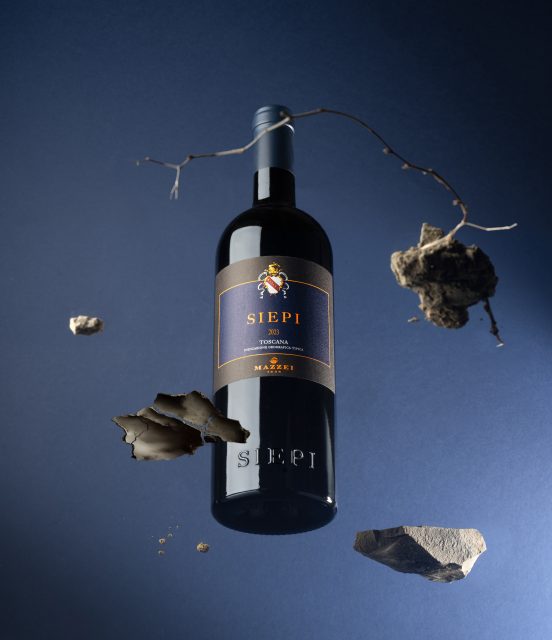
That was the message at an event this month to mark the launch of the 2023 vintage of Siepi, a blend of equal parts Merlot:Sangiovese from a 10-hectare vineyard in the Castellina district of Tuscany’s Chianti Classico DOCG.
Speaking to db on 4 September at the first UK press tasting of the release, Giovanni, who is export manager and represents the 25th generation of the Mazzei family, admitted that the 2023 harvest had been a difficult one for Tuscan wine growers.
“We love challenges, and they came in ’23 – it was not an easy vintage to begin with – the spring was challenging because of the rainfall, but we worked very hard [to overcome the impact of the wet conditions],” he said.
Continuing, he said, “Our family motto is ‘fortior in adversis’ , which means you need to be stronger when the shit hits the fan… and that’s when best wineries, vineyards, and châteaux are able to craft the best vintages; it’s when they are not easy, and we are very lucky because we have such an amazing location and we overcame the rainfall we had in spring very easily because our site is rocky and well ventilated.”
Siepi is an organically-farmed vineyard surrounded by woodland in a windy site located between 240 and 330m above sea level with a south west exposure. The underlying bedrock rock is free-draining, situated beneath a layer of soil featuring a mix of limestone and Pliocene clays, and the vines are mostly 40 years old – the plot was re-planted in 1985 after a devastating winter.
Speaking further about the vineyard – which gives its name to the Super Tuscan blend – Giovanni said that this particular piece of land had been in the family producing grapes since 1435, leading him to comment, “And why is that? – the answer is location, location, location.”
As for the nature of the 2023 vintage – which was released last week via La Place de Bordeaux – he said, “The wine is full of character – it is one of those vintages when the Merlot comes first – there is the velvet, roundness, power, and spiciness of the Merlot – and then, slowly slowly, the Sangiovese comes and it makes a super drinkable wine with lovely acidity.”
Partner Content
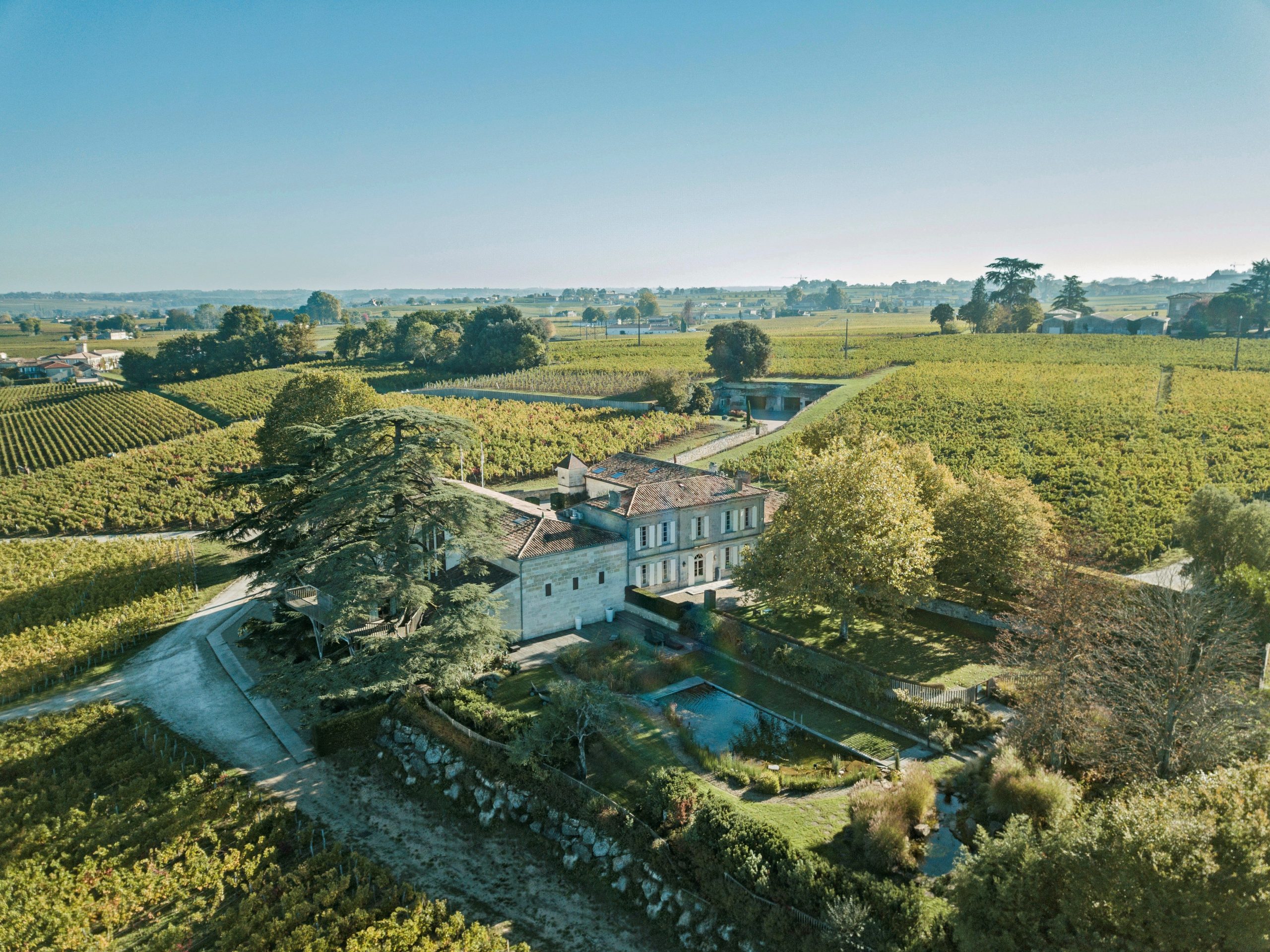
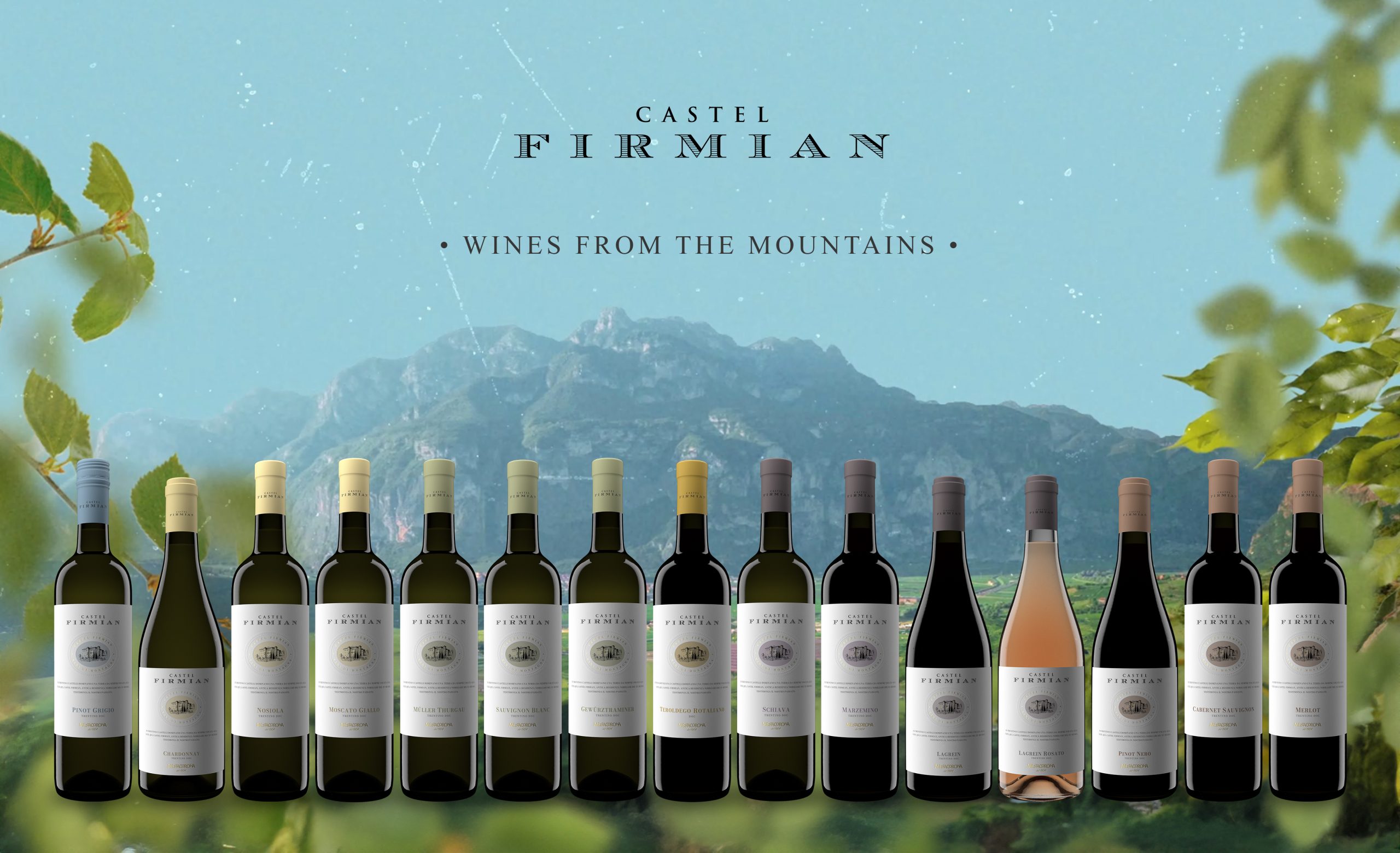
Siepi hails from the Mazzei’s Tuscan property, Castello di Fonterutoli, and was first made using Merlot and Sangiovese from the 1992 harvest, which Giovanni told db was a first for the region, and still unique in Chianti Classico today.
Although the Merlot was planted in the late 80s as an experiment, Giovanni said that the Siepi vineyard produces an extremely good expresision of the grape, which is famous as the basis of some of the world’s finest wines in the right bank of Bordeaux.
“The Sangiovese we are making today is phenomenal, but then you taste the international grapes, and you realise that Tuscany is like a mini Pomerol,” he said, referring to the place where Merlot reaches its zenith, for example, in the wines of Petrus.
He added, speaking further about the planting of Bordeaux grapes in Tuscan soil, “Why are people obsessed with the Super Tuscans? Because it is what works: it’s what in the glass, it’s so pleasant to drink.”
Finally, when Giovanni was asked about the influence of a warming and more extreme climate on the vineyards, particularly a relatively early-ripening grapes such as Merlot, he said that the plants are adapting to the changes.
“We have been on a massive learning curve since 2017,” he began, referring to a vintage that was beset by a heatwave and drought conditions.
Back then, he said that the situation was “shocking”, but while the forests “were yellow, the vineyards were green”, and then in September, “the rains came and the wines were ready”.
2022 was similarly “hot and dry, and yet the wines are fresh and crispy”, said Giovanni, adding, “We now allow the vines to regulate themselves, it’s how they cope with the climate.”
Summing up he said, “We found that the wines are fine with climate change, it’s more us that is the problem.”


