



Scotch industry calls for urgent Budget reprieve as 1,000 jobs lost
The Scotch whisky industry is appealing to the UK Government to freeze spirits duty in the upcoming Autumn Budget, following more than 1,000 direct job losses since the Chancellor last increased tax on whisky. Industry leaders are warning that further duty hikes will jeopardise investment, growth and jobs unless ministers follow through on promises to support the sector.
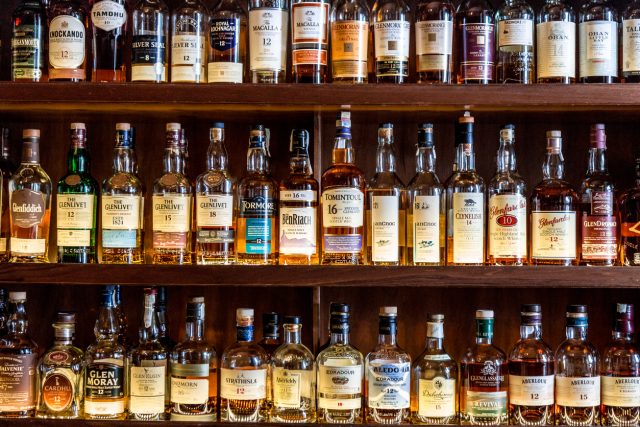
Since the last Budget announcement, the industry has lost over 1,000 direct jobs, representing 2.7% of its workforce. These cuts come amid growing concerns over the increasing tax burden and trade barriers in key markets. The Scotch Whisky Association (SWA) has linked the decline to the 14% cumulative duty rise introduced over the past two years, warning that confidence among distillers is waning fast.
Billy Walker, master distiller at Glenallachie in Speyside, has described the current situation as one of the most precarious periods the industry has faced in decades.
He said his five decades in the trade had rarely seen pressure of this scale. Although some challenges, like overseas tariffs, are out of the UK Government’s hands, the domestic tax burden is not. He pointed to previous comments from the Prime Minister pledging full support for Scotch producers and urged ministers to act before lasting damage is done. The Autumn Budget, he said, must be the moment for meaningful intervention.
Tax cuts could boost Treasury income
Despite repeated increases in duty on spirits, government revenues have failed to match expectations. According to figures from the Office for Budget Responsibility, the Treasury took in £676 million less than forecast in excise duty over the past two years.
Modelling by the SWA suggests a freeze on spirits duty would not reduce income but instead boost it. The analysis shows that holding duty steady could generate £122 million in additional revenue by 2026 to 2027, and more than £1 billion cumulatively over the next four years.
SWA chief executive Mark Kent said the only realistic way to raise more revenue from alcohol duty is to “reduce the tax burden on Scotch Whisky and other spirits”.
This conclusion, he said, is backed by the government’s own economic data, which shows “tax rises over the past two years have lost the Treasury over £600m in revenue”.
Backing Scotch means backing UK exports
Barry O’Sullivan, UK managing director of Diageo, said Scotch is not just a national asset but a global ambassador for the UK’s reputation for quality and craftsmanship. He urged the Chancellor to protect a sector that supports thousands of jobs and contributes significantly to exports and rural economies.
The Scotch whisky industry supports 66,000 jobs across the UK, many in economically fragile areas. Surveys conducted by the SWA between February and June this year found that three in four distillers plan to delay or divert investment away from the UK unless duty levels are addressed. One in four now expect to cut jobs directly as a result of recent tax rises.
Partner Content


Wider economic harm looms
The impact is not confined to distilleries. Hospitality businesses that rely on spirits sales are also under pressure. Matt Macpherson, owner of The Malt Rooms in Inverness, said venues like his cannot survive on beer sales alone. “While beer plays a role in our overall offer, it is not the core of our business model,” he said. “However, the current alcohol duty regime appears to disproportionately favour beer, placing venues like ours, where premium spirits, especially Scotch whisky, are central, at a disadvantage.”
Leon Thompson, executive director for Scotland at UK Hospitality, added that customers expect a wide range of cocktails and spirit serves when they visit pubs and restaurants. Spirits like Scotch are not just a nice-to-have, he said, but a vital part of the offer and the profit mix. With operational and employment costs on the rise, a freeze in duty would be a meaningful way to help hospitality venues stay afloat.
Labour’s promises under scrutiny
The industry is also watching closely to see if the Labour Government will follow through on commitments made before the 2023 general election. At the time, Keir Starmer criticised both the Conservatives and SNP for failing to offer stability to the sector and pledged that Labour would prioritise economic growth by backing Scotch producers.
Starmer had previously stated (in November 2023): “It’s clear Scotland’s whisky industry isn’t getting the stability it needs from the Tories and the SNP. Labour will put growth at the heart of our government and back Scotch producers to the hilt.”
However, following the duty hike announced by Chancellor Rachel Reeves in October last year, a Survation poll showed that 66% of voters believed the government had already broken its promise to the industry.
Mark Kent said the challenges now facing distillers are compounding at a pace. He described the sector as one that has traditionally been optimistic and forward-looking, but warned that confidence is now being eroded by a combination of high domestic costs and worsening global trade conditions. The time to protect one of the UK’s most successful exports, he said, is now.
Tariffs, rising costs and falling confidence
Alongside tax pressures, distillers continue to grapple with £4 million in weekly losses from US tariffs and rising input costs across the board. Earlier this year, just over half of companies said they expected government policies to push up operational expenses by 10%. Now, 40% forecast cost increases of 20% or more, driven by new regulations, National Insurance hikes and fees under Extended Producer Responsibility schemes.
Despite the high levels of tax being collected at the checkout, revenue from spirits duty has failed to meet government forecasts. The SWA believes this is evidence that the current strategy is not just damaging industry confidence but also undermining the Treasury’s own fiscal objectives.
Distillers are now preparing to meet with Treasury officials in the coming weeks to make their case. With the Autumn Budget expected in November, they hope to convince ministers that easing the tax burden on Scotch would be pro-growth.
Related news
US tariffs hit Scotch whisky as exports fall 15% by volume
China cuts tariffs on Scotch whisky
William Grant & Sons’ Greenwood takes chair of Scotch Whisky Association Council


