



Peter Gago: ‘The learning curve in China has been very steep’
Peter Gago, chief winemaker at Penfolds, explains why the Australian wine giant’s commitment to China is for the long haul. Rebecca Lo reports.

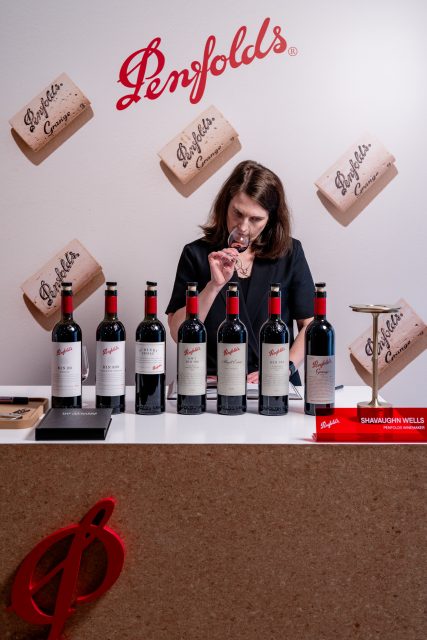
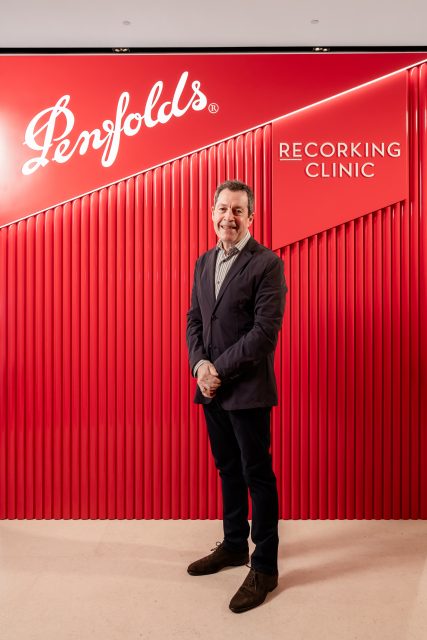
Peter Gago, chief winemaker at Penfolds, and Penfolds winemaker Shavaughn Wells were in Hong Kong on 22 August to host a re-corking clinic in the city.
Held at the Sky Lounge in The Upper House hotel, the session, like all of Penfolds’ re-corking clinics, offered local collectors the chance to have their Penfolds red wines over 15 years old opened, assessed, topped up, certified, re-corked and re-capsuled as required.
Gago explained that the event was about much more than putting a new cork on an old bottle.
“Re-corking introduces theatre and animation,” he said following a vertical tasting of Penfolds Grange across three decades. “Collectors are handing over family heirlooms that involve financial and inheritance decisions.”
Gago noted that re-corking clinics “speak to a wine city’s maturity”.
Since the first clinic in 1991, Penfolds’ winemakers have assessed over 250,000 bottles across four continents. Clinics in 2025 have been held in Melbourne, Sydney, Brisbane and Adelaide. Across North Asia, previous clinics have included Guangzhou in 2019, Hong Kong in 2017, Beijing in 2014 and Shanghai in 2013.
These clinics highlight Penfolds’ longstanding dedication to the China’s wine market, even before the producer began making wines on Chinese soil.
Treasury Wine Estates-owned Penfolds released the first Chinese Trial Wine (CWT) 521, a blend of Cabernet Sauvignon and Marselan, in 2023 and contained a blend of grapes from five different Chinese locations.
While the first bottles coming out of Penfolds’ estates in Yunnan and Ningxia over the past couple of years may not yet be mature enough to warrant clinical review, Gago said he continues to be impressed by their quality.
“I was in Shangri-la (Yunnan) just a few days before arriving in Hong Kong,” Gago noted. “It is a time honoured process that we taste blind—and we do so in China, too,” he continued. “I remember thinking: am I in Bordeaux or am I in China? And that thought encapsulates everything we need to know about China. Just a few decades ago, people didn’t even want to sniff a wine from China much less taste. The learning curve has been very steep.”
Partner Content



Marselan offers a new challenge for the well-seasoned winemaker, who began working for Penfolds in 1989. “We don’t have much experience with this grape, a hybrid of Cabernet Sauvignon and Grenache,” he said.
But Ningxia, a dry region in central China which yielded the Marselan grapes, is showing promise. “I’m really pumped about the region,” Gago said.
He said that Penfolds’ Chinese wine project follows a commitment to China dating to 1893 when the first bottle of Penfolds was sold in the country.
“We have always been actively engaged in China; it’s not just about selling wine,” he shared; “it’s a long term investment: owning and developing real estate while we continue to build the brand.”
For example, Penfolds offers scholarships to Chinese Agriculture University students where its vineyards and estates are sited, helping them gain insights into the winemaking activity taking place in their community.
China’s wine market also offers opportunities for the brand. Gago believes that the future of wine in China will come down to younger consumers, and he believes a multi-prong approach is needed to target them.
“Most people new to drinking start with something sweet; the tannins in fine red wine are generally alien to their taste buds,” he said.
Influencers and online campaigns can help with education, but Gago argued that in-person tastings will ultimately convert young consumers to wine. He said: “While social media will get them interested in drinking wine, the best thing is person-to-person introductions and recommendations.”
Penfolds’ cellar door in Magill, South Australia, enjoys a steady stream of Gen Z and Millennial visitors. “I tell everyone to be patient,” Gago noted. “Just like the title of our book, The Rewards of Patience, available in Chinese as well as the original English version, the grip of the grape takes time to develop. Education and consistency will do their thing, and young people who started out on beer will move onto reds in time as their taste buds mature. We have skin in the game. We can wait.”
Related news
Cru World Wine sees huge demand for its 'community-ownership' share offer
'Fantastic time to be a whisky drinker’ as Hedonism launches own-label range
Aldi launches rosé colour swatch as shoppers reject the ‘wrong’ shade


