



Mosquitos like to bite beer drinkers who recently had sex
Drinking beer and having sex may increase your chances of getting bitten by mosquitos, according to a new study. The discovery, which marks the largest study to date on what attracts mosquitoes, hints at the price many pay for having fun.
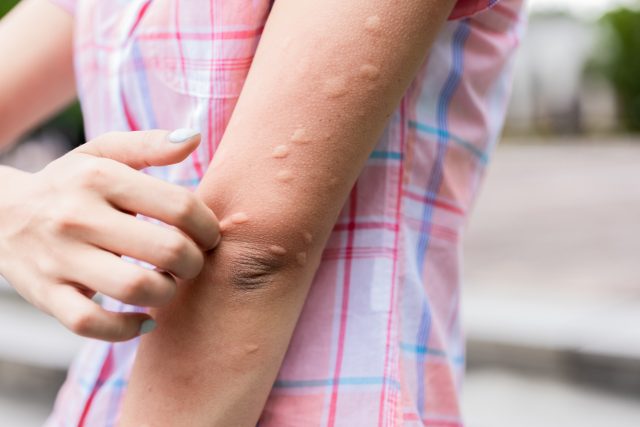
The findings, gathered by researchers at Radboud University Nijmegen in the Netherlands, identified the phenomenon while studying mosquito behaviour in a bid to cull the spread of disease.
The team of researchers looking into diseases such as dengue, West Nile, Zika, and malaria had noted how mosquitos were considered to be responsible for around 2.7 million deaths every year. This has meant that managing mosquito populations has become vital to global public health and so a better understanding of which people were most often targeted needed to be assessed.
According to Popular Science, entomologists already know mosquitos seek out carbon dioxide exhaled by their hosts as they breathe and that a multitude of sensory cues also play a part in where mosquitos choose to land. Added to this, previous research has also suggested that olfactory indicators may also play a role in guiding mosquitos to their prey.
Sensory elements influence a mosquito’s choices
The new research, led by biologist Felix Hol, has now investigated what biological and sensory contributors may have the most influence over a mosquito’s choices. With this in mind, instead of asking volunteers to visit a lab, they took the study on the road to a location known to boost the body’s physical responses: a music festival.
The study, which took place for three days at Lowlands music festival about 42 miles east of Amsterdam, saw Hol and his team stationed in a pop-up laboratory inside connected shipping containers. The researchers then asked concertgoers to fill out a questionnaire about some of their most recent personal hygiene, diet, and lifestyle decisions.
Partner Content



Approximately 500 people volunteered to not only answer the survey, but also place their arms into a custom-designed cage which was filled with mosquitos. According to Hol, the apparatus had been built to feature holes that were small enough for the insects to smell each person, but not big enough for them to pierce their skin using their proboscis.
During the study, the team recorded videos of the mosquito responses to each of the participants compared to responses to a sugar feeder placed on the other side of the cage.
A taste for hedonists
After analysing the accumulated data, the study’s authors recognised how the mosquitos very often displayed what they called a “clear preference” for people who had “enjoyed themselves”.
Most notably, the people who drank beer and had sex the night before the experiment were said to become around 1.35 times more attractive to mosquitos than any of the more sober or celebate participants. Added to this, the mosquitos preferred those who had not washed their skin since these activities or applied sun cream.
The research, which was titled the “Mosquito Magnet Trial” is now understood to be the largest study of its kind to date, albeit with a “loosely controlled setting”. As such, the team has said it felt confident in asserting that mosquitos “are drawn to those who avoid sunscreen, drink beer, and share their bed”.
Describing the mosquitoes’ preferences, the researchers stated: “They simply have a taste for the hedonists among us.”
Related news
Beer and fishing collaboration to catch angler demographic
New documentary exposes dangers of Cambodia’s unregulated beer industry


