



French ban on copper fungicides puts organic vintners under strain
France has revoked approval for 20 copper fungicides, leaving organic growers facing strict new limits and fears of losing key tools against downy mildew.
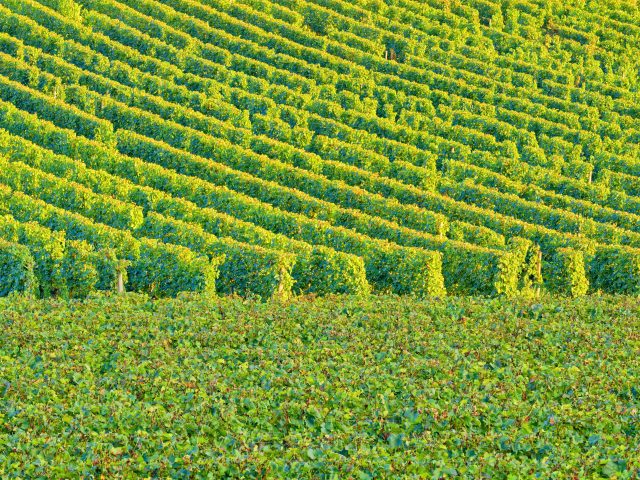
French organic winegrowers face fresh challenges after the country’s food safety authority, Anses, refused to renew approval for 20 copper-based fungicides. The decision, first reported by wein.plus, has left many producers concerned about how they will combat downy mildew.
Major products removed
The ban affects all powder preparations, including well-known products such as Kocide 2000 and Kocide Flow. Only two products – Champ Flo Ampli and Héliocuivre – remain authorised, but under much tighter restrictions.
Anses justified its move by citing health risks for vineyard workers. The authority stated: “The available data do not allow for the exclusion of a risk of harmful effects for users.” It also said manufacturers had failed to provide sufficient safety data: “It is the responsibility of the distributor to demonstrate the absence of an unacceptable risk when using the product.”
New usage rules
The new rules set a maximum of four kilograms of copper per hectare per year. Applications must also follow a minimum interval of seven days, with restrictions on use near residential areas and waterways, and a ban on treatments during flowering.
The industry has criticised the move, particularly because cheaper powder-based products will be withdrawn from 2026. Many growers had returned to these options in recent years for financial reasons.
Partner Content


Nicolas Constant, organic consultant at the French vine and wine institute IFV, said: “Restrictions on application have so far been justified with environmental aspects. Now Anses is putting the risk for users in the foreground.”
Georg Forster, chairman of German organic association Ecovin, was more blunt: “I cannot understand the justification that the products are not safe for users. We have been working for years to reduce copper levels in the vineyard and also to have potassium phosphonate approved as an alternative.” Forster added that he does not expect similar restrictions in Germany.
Concerns for French growers
In France, however, concern is mounting. François Garcia from the agricultural chamber of Hérault said: “Copper is indispensable in organic farming. These restrictions will have serious consequences.” Trade body SudVinBio warned that many producers could be forced to abandon organic practices.
According to data from the Itab Institute, organic growers in France used an average of 3.72 kg/ha of copper in 2024. But usage was higher in some regions, including Nouvelle-Aquitaine (4.8 kg/ha), Champagne (4.55 kg/ha) and Burgundy (4.3 kg/ha).
Looking ahead, IFV notes that 17 copper products will still be available for the 2026 vintage under current rules. However, their approval is also due to expire. If Anses applies the same criteria for renewal, experts warn these products could disappear as well.
Related news
Talha tales: reviving Alentejo’s amphora wines



It goes to show what the main problem with ‘organic’ farming is. They are selling customers a premise that that means the produce is healthier and safer. And as they are not transparent in their use of pesticides and fertilisers, many buyers wrongly assume that something labeled organic was produced without these preparations in contrast with traditional products. But as again shown here that is not true. And when faced with ban because the copper is harmful for people’ s health they react as a regular farmer would – with protecting their interests and not the ones of customers or their workers.
the main concern is for the workers who have to apply the fungicides (copper) not the consumer. There is a withholding period after a copper application has been made before harvesting may occur, whereby copper is measured in parts per million, if the copper levels are above the threshold then they cannot harvest. The main concern here is for the health and safety of the workers who come into contact with the chemical, in a less diluted and more elemental (organic) form, the concern is not for consumers, there are already measures in place to protect consumers. In fact, a consumer is more at risk if they don’t use these products at all due to the high levels of carcinogenic toxins that these moulds (Aspergillus, plasmopara, , phomopsis, gleosporum, rhizopus etc) produce – copper applications are used to prevent these toxic moulds from sporing on the grapes under mildew forming conditions.
I’m certain there are organic growers in France who don’t spray copper and do fine. It’s just about learning new ways to improve the vines’ own resistance and giving them access to the genes they need to accomplish this. I would be glad to consult with French vignerons to show them what we’ve learned in our part of the world, although I imagine it’s not so different from how French growers did things before copper sulfate was introduced.