



Austria hits milestone with 25% of vineyards now organic
One in four of Austria’s vineyards – or 10,524 hectares – are now certified organic according to the Federal Ministry of Agriculture. The world-leading proportion reflects significant growth in the 21st century.
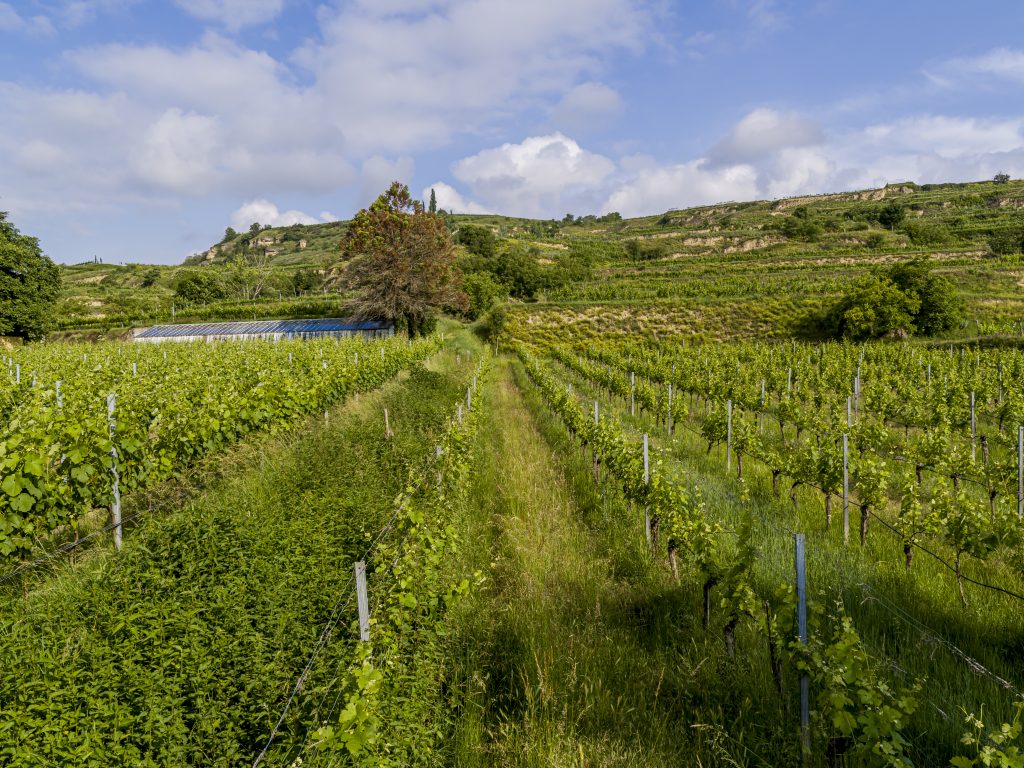
The latest figures from the Austrian Federal Ministry of Agriculture show 25% of its vineyards are now certified organic. Having just missed the milestone last year – it achieved 24% – the figure is a cause for celebration in a country that has made sustainability central to its brand.
“A quarter of all viticulture being organic is an incredible achievement!” comments Chris
Yorke, CEO of Austrian Wine Marketing (Austrian Wine).
“We must not forget that we have to cope with more difficult climatic conditions in Austria, compared to other, bigger wine-producing countries,” he continues. “That does not make organic viticulture any easier – in fact, quite the opposite. But our winemakers are convinced that environmentally conscious viticulture is the right way to go in the future – and they are still going this way, despite the difficult times we are facing right now.”
Developing a dominant position
Although an arbitrary marker, the figure of 25% puts Austria’s organic success into illuminating contrast. In 2000, just 1.7% of Austria’s vineyards were certified organic. That represents a compound annual growth rate for 11.35% – an impressive figure for a process as demanding as organic certification.
Moreover, Austria can now unambiguously claim to be a leader in organic viticulture. It is well above the global average of 7.8%, as cited in the latest report from non-profit organisations FiBL and IFOAM Organics Europe (based on data from 2023).
Moreover, that report showed Austria had the highest percentage of organic vineyards of any major wine-producing nation. The only countries with a higher proportion are viticultural minnows – Sweden, Belgium and Poland – whose combined organic plantings total less than 500ha.
In many cases, Austrian winegrowers go beyond organic viticulture. 14% of its organic vineyards employ biodynamics, the holistic method developed by Austrian philosopher Rudolf Steiner.
Moreover, certification programme Sustainable Austria (Nachhaltig Austria) has certified 27% of Austrian vineyards. The programme evaluates close to 400 measures, from vineyard cultivation to bottle weight.
Challenges and opportunities
Austria’s inland position means only moderate rainfall, lessening disease pressure and making organic viticulture viable. However, the practice still generates significant obstacles.
Without access to synthetic products, winemakers have fewer failsafes in the event of difficult weather conditions. Thus, yields can be lower in challenging vintages, reducing the operation’s profitability.
Organic viticulture also entails higher labour demands and costs. Without the easy path of synthetic pesticides and fertilisers, manual processes such as weeding and careful canopy management become necessary to promote yields, vine health and biodiversity.
Nonetheless, the benefits of organic viticulture are more than just environmental. As more consumers seek out organically made wine, Austria stands to cement itself with ethical consumers in key markets.
“Environmentally conscious viticulture – whether organic, biodynamic or sustainable – also opens up new business opportunities because these wines are in high demand among certain customer groups and in export markets such as Scandinavia and Canada,” explains Yorke.
“As our winemakers are known internationally for their particularly environmentally conscious production practices, the demand for Austrian wines has been increasing in these markets for many years now – and there is still considerable potential.”
Related news
La Place’s spring collection 2026: additional tasting notes
Japan wine imports dip in volume but rise in value in 2025
Sotheby's global wine and spirits sales achieve US$127.5 million


