



Are the treasures of Tasmania’s vineyards about to be unlocked?
On the express path to export growth and vineyard expansion, Eloise Feilden asks whether Tasmania can protect its quality reputation.

IF YOU’RE a cinema fan, there is one line from the 1999 film Notting Hill which you’ll likely know. Standing in a bookshop in her flip-flops, Julia Roberts delivers a sentence that cemented Notting Hill as one of the greats.
Roberts as Anna Scott, a Hollywood movie star as glamorous as she is beautiful, has just declared her undying love for the film’s protagonist, a fumbling, bookshop-owning everyman played by Hugh Grant.
He turns her down – her fame and stardom proving too much for their relationship to conquer. And it’s then that Roberts delivers the heart-wrenching line: “I’m also just a girl, standing in front of a boy, asking him to love her.”
You might wonder what this could possibly have to do with Tasmanian wine. Well, it’s during a conversation with Sheralee Davies, CEO of the region’s representative body, Wine Tasmania, that she utters a sentence which, for me, brings back the memory of that enduring line from Notting Hill.
“Here we are, just trying to convert a few consumers and make it a bit more accessible for them to get their hands on Tassie wine,” she says.
Davies’ words have by no means the same heartbroken quality to those of Julia Roberts. In fact, she is unequivocal about the shining future of Tasmania’s wine industry. But even so, there is something in the unguarded simplicity of Davies’ words that brings me back to the ’90s romcom – a simple request to be seen and to be loved.
“All we can do is present ourselves exactly as we are,” Davies says.
Tasmania is, in many ways, a superstar all of its own. Accounting for only 1.2% of the total Australian crush, the island region contributes 6.5% of the country’s wine sales in value terms. Where the national average value of Australian grapes was AU$604 per tonne this year, Tasmanian wine grapes reached a new record of AU$3,924 per tonne across all varieties.
The vast majority of this success is taking place on domestic soil, with only 5% of Tasmanian wine currently destined for export.
Laura Jewell MW, Wine Australia’s regional general manager, UK/EMEA, says: “Very little Tasmanian wine gets past Melbourne, never mind exported outside Australia.”
Thanks to funding from the local government and extensive research into potential bright-spot export markets, Wine Tasmania is spearheading a two-year campaign to target two countries: Singapore and South Korea.
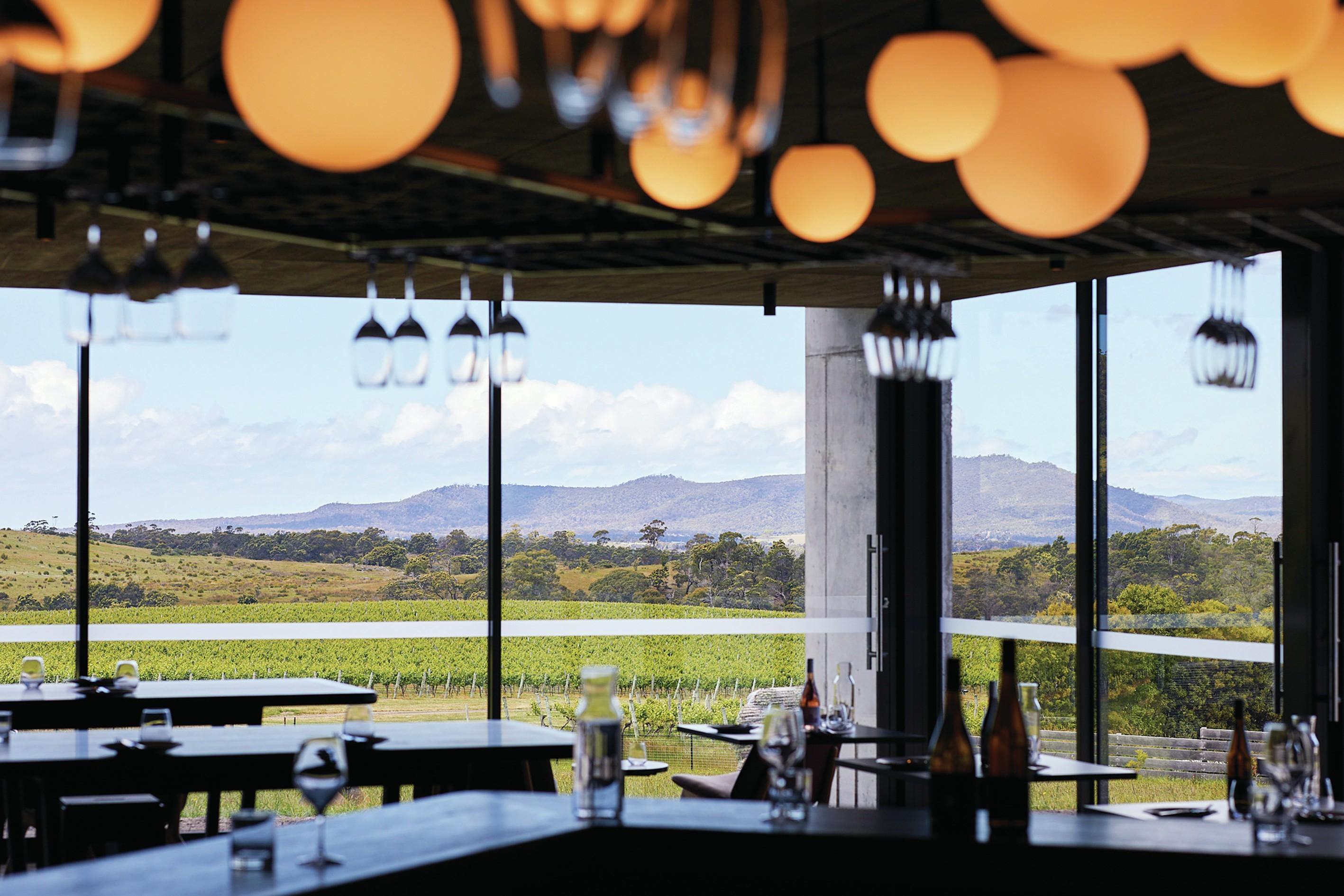
Davies says: “We were successful at the end of last year in securing some support from the Tasmanian Government, and that’s allowed us to undertake some research into the markets offering the best scope, and on the back of that research to identify Singapore and South Korea as the two that we’re going to initially target.”
The research considered factors including current consumption patterns, popularity of Chardonnay and Pinot Noir – which dominate plantings in Tasmania – and attitudes towards cool-climate regions, with these two Asian markets coming out on top.
“The UK was also in the mix for us,” says Davies. As was the US, although “market access with geopolitical dynamics” ruled the States out of the top two. Singapore and South Korea both offer mature wine markets, and Wine Tasmania will target existing consumers.
“We’re not trying to grow brand-new wine consumers,” Davies says. “We all know that in the global market we’re operating in, wine consumption is reducing, so to think that in these established markets we’re going to find new consumers would be naïve.” Wine Tasmania’s task, then, is one of conversion. “All we need in these couple of export markets is for a Tassie fizz to replace a Champagne one in 10 times,” Davies says. “Remember, we are tiny.” Indeed, Tasmania’s average annual production is just over one million cases, next to Champagne’s 25m cases.
“You and I could probably call our friends in these markets and we’d be sorted – that’s all we need,” she laughs. So why has the overseas availability of Tasmanian wine been so limited until now?
In part, the island’s extreme weather conditions mean yields vary considerably from year to year. This year, producers were lucky. Grape growers managed to harvest an impressive 23,002 tonnes, equivalent to about 20m bottles of wine.
This represents a 37% increase on 2024 and is almost double the 2023 vintage.
Ed Carr, chief winemaker at sparkling wine producer House of Arras, says the 2025 harvest has made a significant difference to stocks. “When we add up the numbers for this year, we’ve just about brought it back to average across the last four or five years,” he says.
Teresa Heuzenroeder, winemaker for Jansz Tasmania, describes the 2025 vintage as “bountiful”, “with yields above the long-term average across Tasmania”. “There’s a real sense of excitement about how these wines will develop, and the consensus across the state is that 2025 has been an excellent vintage,” she says.
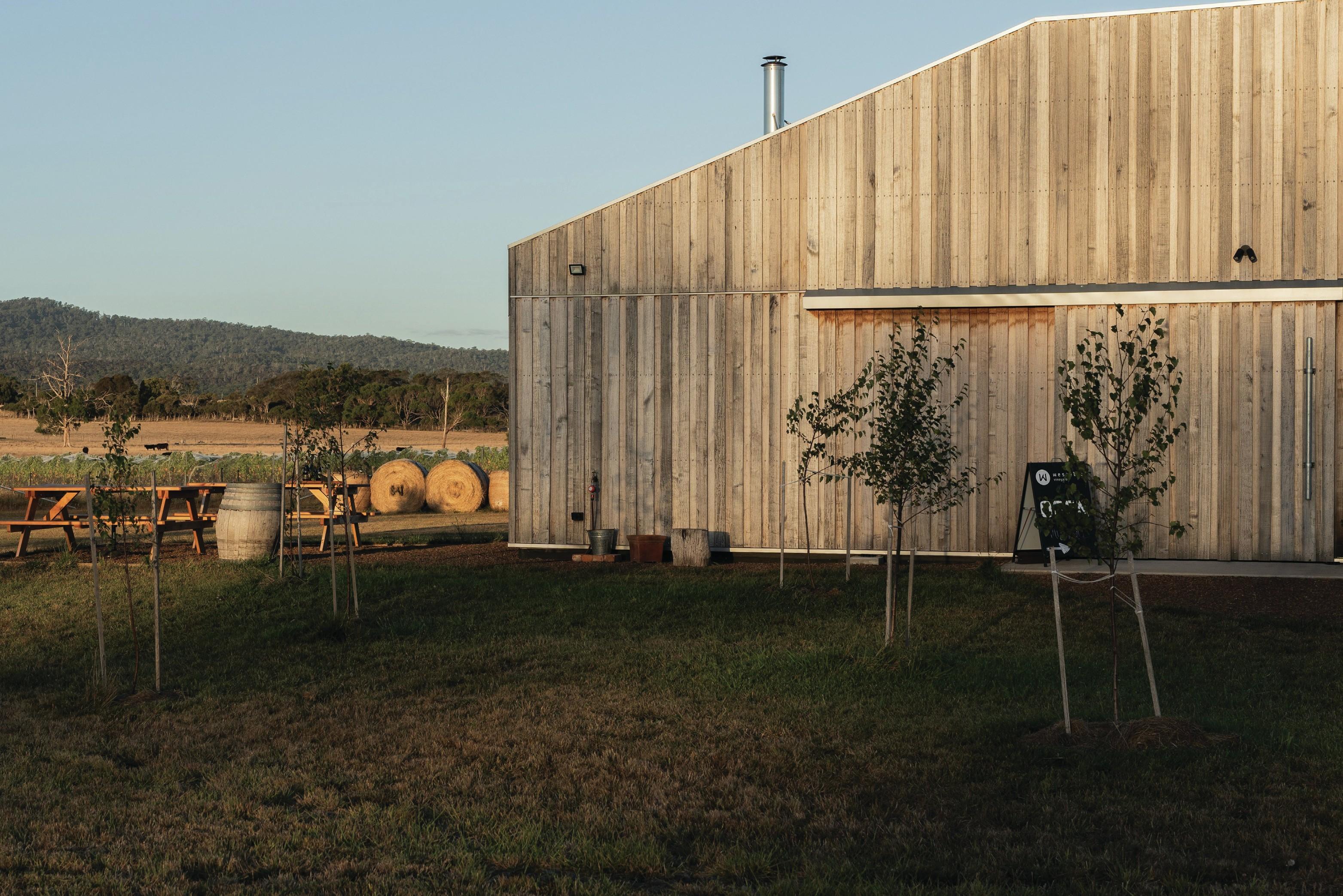
DREAM VINTAGE
Kym Schroeter, senior white winemaker at Penfolds, goes one further:
“Winemakers dream of vintages like this, where both quality and yields align so perfectly. In many years, we’re fortunate to achieve one or the other, but seldom both. As a winemaking team that champions both regional wines and blends, being spoilt for choice with such an abundance of high-quality fruit to choose from was a treat.”
A good vintage also brings healthier financials for these wineries. “It’s certainly a good feeling for the long-term cash flow further down the track,” says Carr. “It balances our stock, so we will have a lot more wine to sell when it reaches the right age.” This year saw a bumper crop for the whole country, with the total national crush up 11% on 2024, according to Wine Australia’s 2025 National Vintage Report. But, while Tasmanian producers are jumping for joy at heartier yields, many producers on the mainland are less than thrilled.
Despite being the third-smallest crush in more than a decade, the Australian wine industry has been warned that its ongoing red wine glut could worsen as a result of this year’s higher volumes. The global downturn in wine consumption, particularly for reds, has led to an oversupply of Australian dry red wine, and years of low prices for some growers. Winemakers have been warned not to expect grape prices or demand to improve.
A CASE APART
It’s just as well, then, that Tasmania positions itself apart from Australia-major. “Stylistically, climatically, Tasmania is different to the rest of the country,” says Wine Tasmania’s Davies, who tends to focus on its island identity. “There’s a lot about being an island which appeals to people. It’s easier to describe where you are and why the place is different when you’re talking about an island at the edge of the world.”
As a wine region, Tasmania has a lot more in common with the southern areas of New Zealand than with mainland Oz, and highlighting the connection can’t hurt, says Davies.
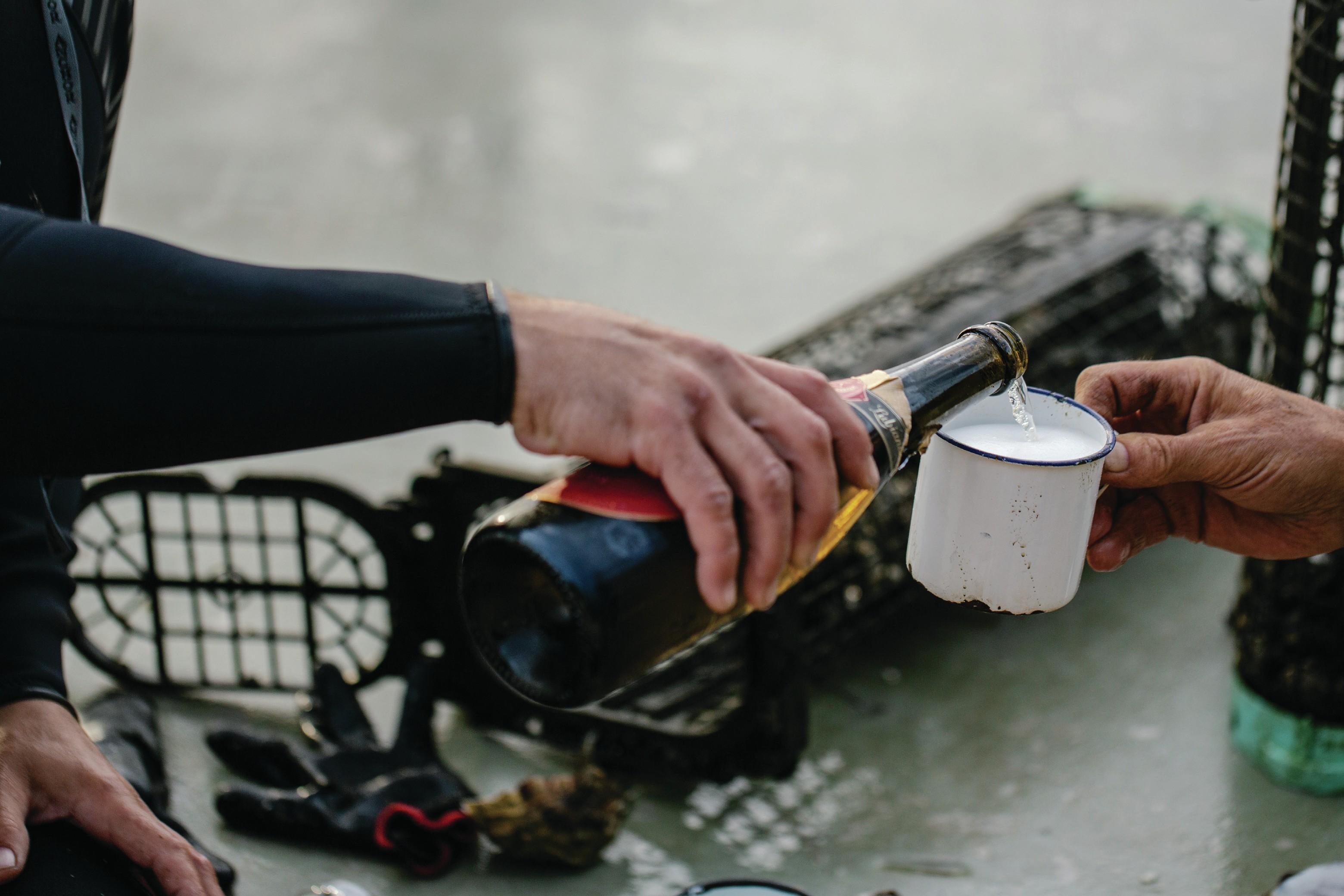
“New Zealand’s done a great job of growing its global exports. If that helps us tell a message and convey, more quickly, a sense of wine style and wine variety, then we’ll certainly look to leverage that.”
So far, producers in Tasmania have been pretty successful in selling their story to wine lovers around the world.
The region is known as a high-quality cool-climate sparkling wine region, with price tags to match.
“The word is getting out,” says Katherine Brown, fourth-generation member of the Brown family and luxury portfolio manager, Brown Family Wine Group. “With limited production and a premium positioning, the focus has naturally remained on the Australian market,” she says. “That said, we’re seeing interest internationally, and I believe more Tasmanian wine will find its way overseas in the coming years.”
MEMBERS CLUB
67 Pall Mall lists Tasmanian wines at its London and Singapore outlets, with plans to have Tassie wines on the list in Melbourne when that club opens next year.
“Tasmania has particular appeal because it produces the sort of cool-climate styles that are particularly popular at the moment, especially the Chardonnays and Pinot Noirs,” says 67 Pall Mall head of Asia Richard Hemming MW. “Most well-informed wine drinkers at 67 Pall Mall will be familiar with Tasmania, at least by reputation, and are often keen to explore anywhere that offers an alternative to Burgundy.”
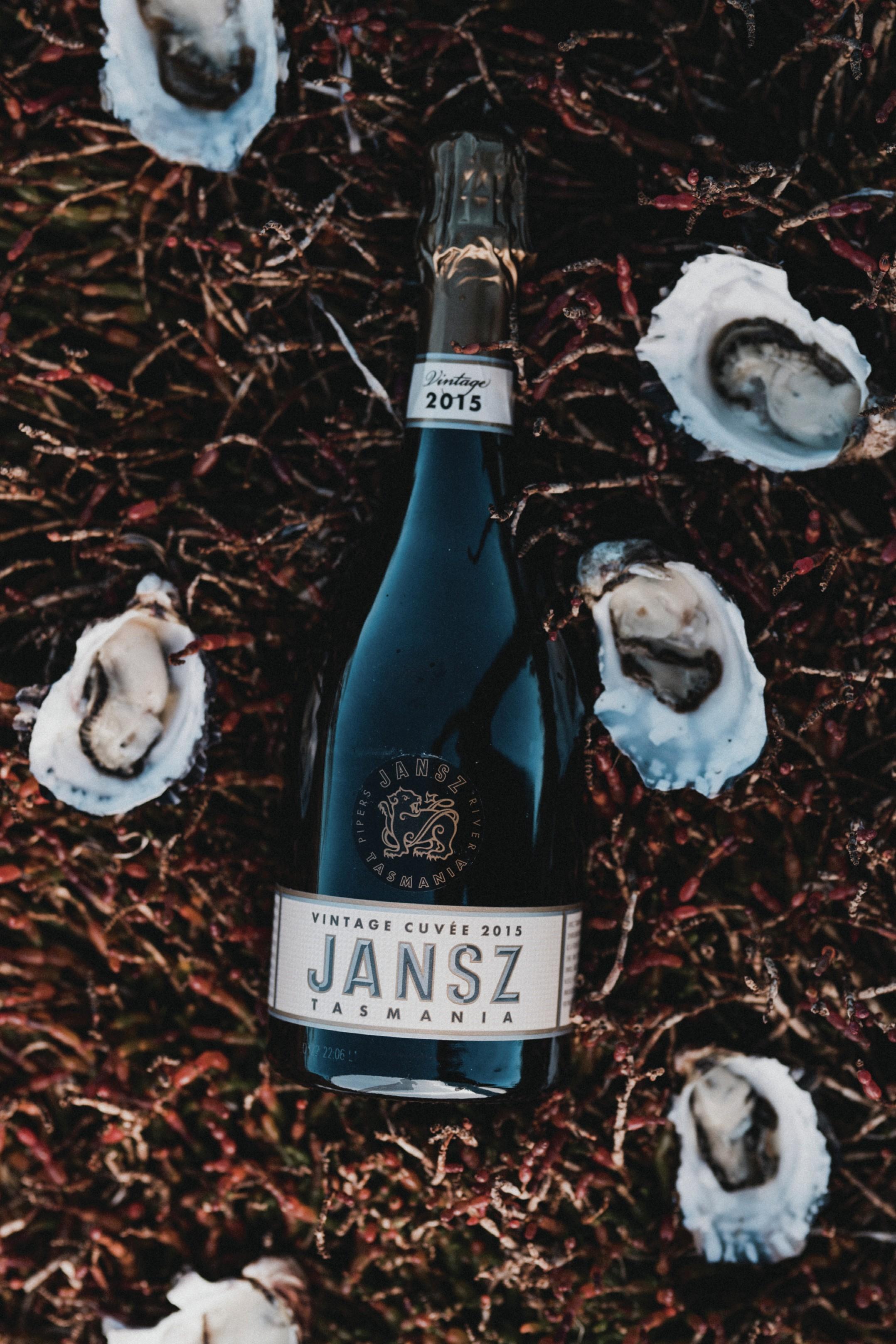
Cambridge Wine Merchants in the UK has one Tasmanian producer in its portfolio – Jansz. According to MD Hal Wilson, the brand is the independent retailer’s best-selling traditional method sparkling wine “that doesn’t have the word Champagne on the label”.
According to Wine Australia figures, Tasmanian wine has grown 71% year-on-year in value in the 12 months ended June 2025. Producers from the island have established some key retail listings in this period, including Devils’ Corner Chardonnay and Pinot Noir making their way onto Tesco shelves.
‘TOO COLD, TOO REMOTE’
Tasmania’s wine industry is still in its relative infancy. As recently as the 1970s, Tasmania’s government had little confidence in the potential of the island’s vines. “They thought it to be too cold, too remote, too unpredictable,” says Davies. Even so, there were the revolutionaries – winemakers who would likely have been looked at sideways by more conventional farmers – who were resolute. And this was at a time when Tasmania had less than 100 hectares of vines.
The island was home to the first appellation programme in the country, ahead of the roll-out of the national label integrity programme in 1990.
“There was some sort of crystal ball that allowed people, at that time, to really understand the potential for Tasmanian wine and just how special this place was, and that kind of got locked in,” says Davies.
Investors with serious sums began entering the game a few decades later. House of Arras’ Carr says: “If you look at Tasmania say 10 or 15 years ago, it reminds me of the English sparkling scene a little while ago too, where you had a lot of investor money, people with a dream to make wine, who then suddenly realised how hard it is. Over time, they’ve become professional in grape growing and winemaking, and the brands have been established.”
International names have also entered the game, bringing with them fresh capital and well-established export strategies. Davies explains that an influx of players entered the region in the late 1990s and have since become “long-term investors”.

National wine producers, ones “with broader portfolios”, have helped spread the word about Tasmania, “[taking] the Tasmanian message into markets we haven’t had capacity to do alone”, Davies points out.
Penfolds included Tasmanian fruit in Yattarna for the first time in 2006. The producer continues to invest in the region’s growing potential, printing Tasmania on the front label of the 2018 vintage of its Cellar Reserve Pinot Noir for the first time. Then in 2022, Champagne Mumm announced that it had produced a sparkling wine in Tasmania for the first time, bringing fresh endorsement from overseas. Tasmania’s wine industry is in a period of active growth. According to Davies, a decade ago production was growing at a year-on-year rate of 5.5%. “Then new plantings started to accelerate.” Now the rate of vineyard area growth varies between 8% and 12% year-on-year. The Tasmanian wine sector is projected to quadruple in production terms over the next 10 to 15 years.
“For Tasmania, that means that we would become the island’s single most important economic driver,” says Davies.
House of Arras’ Carr believes that big-name brands like Mumm and Penfolds will also shed light on the region in their respective export markets, and argues that it is “safer commercially” than investor money flooding the market.
CAUSE FOR CONCERN
But there is one thing he is nervous about: unrestrained growth. “Personally, I’m a bit concerned about the rate of growth,” he says. More specifically, he fears what would happen if Tasmania experienced its own grape glut.
“It’s important that these vineyards are planted in the right area and [growers] have an end use for them. What would make me nervous was if there was free fruit available on the market – where would that go?”
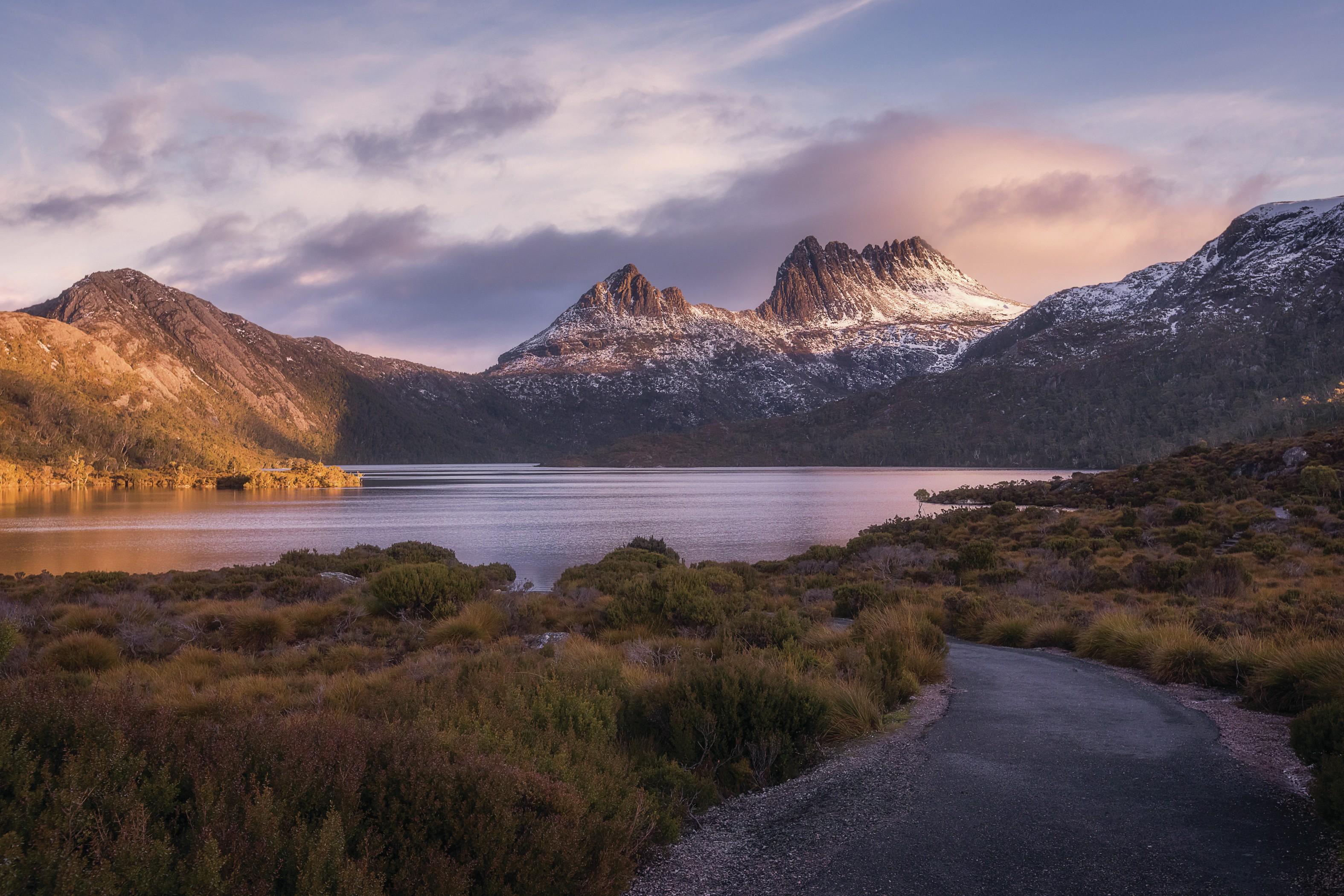
Natural beauty: Tasmania’s island location gives it a strong global identity
Jansz’s Heuzenroeder also wants to see Tasmania’s reputation protected. “With greater production comes the responsibility to safeguard quality and pricing,” she says. “Tasmanian wines currently command a higher-than-average price point, and maintaining this reputation for excellence as volumes increase will be critical.”
Carr adds: “I sincerely hope that Tasmania does keep this credibility, because it has this growing reputation for premium sparkling and still wines.”
But not everyone is worried. Wine Tasmania’s Davies welcomes the growth, arguing that Tasmania’s very nature will protect it from harm.
“It sounds like a bit of an oxymoron, but it’s really expensive and risky to grow grapes and make wine in Tasmania,” she says. “It’s not for the faint-hearted.” Indeed, with such severe fluctuations in production volumes each year and the extreme weather conditions, the island has little appeal for “the short-term investor that’s looking for a quick return”.
FRONT OF MIND
So, as plantings grow and Tasmania’s international reputation continues to build, there’s one thing that should stay front-of-mind for producers: quality.
Penfolds’ Schroeter says: “Focusing on what Tasmania has built its reputation on to date – such as high-quality, cool-climate, regional excellence – will serve the region well in future. I have no doubt that this can still be done at scale, albeit with the constraints of Tasmania’s size. Globally, the region is still building momentum, but with wonderful results thus far.”
Indeed, there is no reason to see growth as antithetical to the quality Tasmania is known for. On this point, Brown Family Wine Group’s Katherine Brown puts it best: “Growth should amplify Tasmania’s identity – not alter it.”
Related news
Garcés Silva: fresh thinking from Leyda
Christie's to sell Burgundies from renowned British collector Ian Mill KC


