



Amazonian wine named as official drink of COP30
Following backlash over the food and drink allowed to be served at the United Nations Climate Change Conference (COP30), which takes place in November in Brazil, a local wine will now take centre stage at the event.
The biggest annual gathering of international rule makers to discuss climate change action is due to take place in Belém, Brazil, on 10-21 November, but the event has already been the subject of some lively debate.
In August, the Organization of Ibero-American States (OEI) opened up the application process for businesses to become suppliers to COP30. However, controversy sparked when it transpired that certain local food and drink was prohibited from being considered for the event due to having “a high risk of contamination”. These products included açaí wine, tucupi, and fruit juices, all typical items in the local cuisine for Brazilian state Pará, where the conference will be held.
“It’s a crime against our people, against our cuisine, against the food that nourished our entire ancestors. We only survive because of this food,” said Saulo Jennings, founder of the Casa do Saulo restaurant group and gastronomic ambassador for UN Tourism.
“Does this mean I can’t eat our own food at home? Is it harmful? Do our people have different immunity levels than everyone else in the world? Because we’re the only ones who survive by eating these foods,” he continued. “Does this mean our government doesn’t have regulatory agencies? It does, and it works. We have health surveillance, we have all the necessary dietary regulations.”
Change to regulations
Following action by the federal government, through the Minister of Tourism, Celso Sabino, the OEI issued a statement outlining that “after a technical analysis”, the rules has been amended to incorporate Pará cuisine at the event.
According to Spanish publication Vinetur, Brazilian president Lula da Silva has since named açai wine as the official beverage of the COP30 summit, and confirmed that it “will be offered to visitors” during the event.
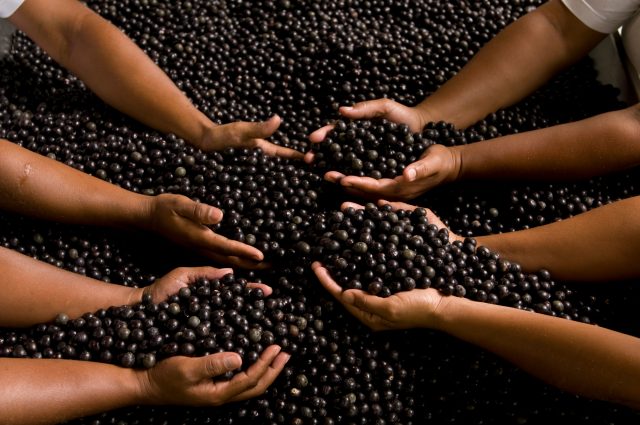
Acai wine is made from the purple acai berry, which is native to the Amazon rainforest in Brazil. The pulp is fermented to make a red wine-like beverage, with around 12% ABV. Some producers use the berries to make Seco (dry) or Doce (sweet) styles of 100% acai wines, while other winemakers blend acai berries with leading international grape varieties to make, for example, an Acai Raspberry Cabernet Sauvignon. Acai berries contain a high amount of antioxidants, healthy fats and fibre, leading to its growing reputation as a ‘superfood’, and its flavour is often described as “earthy”, and reminiscent of fresh blackberries and unsweetened cocoa powder with a slight metallic aftertaste.
Partner Content



The berry’s fruit has a short shelf life, so it is often found in frozen fruit purée, dried powder, or pressed juice form when sold outside of the area where it is grown. This may be one of the reasons that the OEI voiced fears over possible contamination.
“Açai grows on a tall, narrow palm tree in the Amazon River basin, benefiting from a microclimate in and around the tributaries of the Amazon River basin,” said leading acai expert Dr. Steve Talcott who has spent decades researching the fruit at universities in Florida and Texas, and in 2010 produced his first vintage of acai wine through Acai Wine LLC, a company he co-founded with winemaker Mike Sipowicz.
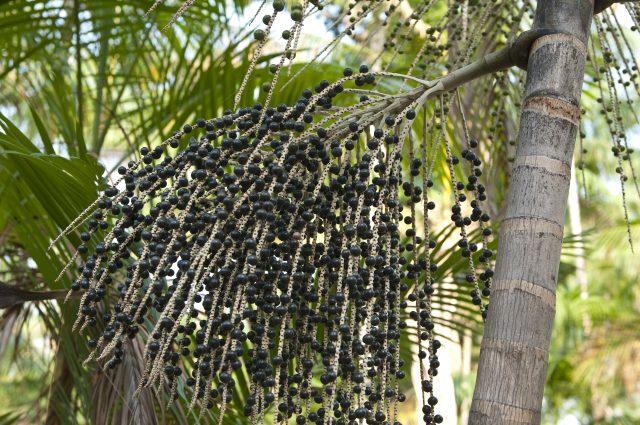
“Açai palms are quite numerous on the planet, growing in around one million square miles of land, but most of it is completely inaccessible for commercial harvest. Someone literally climbs up these palm trees to harvest the large fruit clusters that hang from the side of the palms anywhere from 20-60 feet off the ground.”
As well as the changes made to allow local products such as acai wine to be included in COP30, the event’s organisers have also announced that at least 30% of the total value of the food and drink purchased for the event must come from family farming.
Last year at COP29 one of the most famous gurus in the world issued an impassioned cry for governments to commit to converting 3% of their soils to organic. Jagadish Vasudev, better known as Sadhguru, said: “Human physical and mental wellbeing is being directly impacted by the soil. However, at COP26 in Glasgow, soil was not mentioned once. People seemed surprised when we wanted to talk about it….it’s a movement now, but we need to see government policies.”
Discover what COP28 taught us about winemaking in a warming climate in our detailed feature here.
Related news
Alentejo: lessons from the front line of climate change
Why climate change may favour Garnacha in Rioja
Moët employs historic plant cuttings and new PIWIS in climate change battle


