



What came first – beer or wine?
It’s the drinks world’s version of the chicken-or-egg riddle: which came first, beer or wine? This age-old question has likely fueled many a pub debate and thanks to archaeology and science, we now have the evidence. James Bayley does some digging.

Long before tankards and corkscrews, nature had already been quietly experimenting with fermentation. Overripe fruit left to its own devices will ferment into something alcoholic, thanks to naturally occurring yeasts.
Anthropologists suggest that “fruit wines were probably discovered as soon as man tried to collect and store sweet fruits and berries”. In short, the very first drinkers may have been opportunists who sampled week-old squashed fruit and, pleasantly surprised by the buzz, went back for seconds.
Grain-based alcohol, however, required more brainwork. Beer needs starch conversion to sugar, typically achieved by malting, which is unlikely to happen by accident. Wine, in its broadest sense as fermented fruit juice, can arise without human help.
Yet archaeological evidence distinguishes happenstance from intention, so to settle whether beer or wine was truly humanity’s first deliberate drink, we need to look to the spades and mass spectrometers of modern archaeology.
The first brewers in prehistory (before written records)
According to research published in the Journal of Archaeological Science in 2018, the earliest known beer production dates back around 13,000 years to the Natufian culture in what is now Israel.
Archaeologists excavating Raqefet Cave found stone mortars containing residues from a wheat and barley-based beer. These mortars were part of a burial site, leading researchers to conclude that this beer was produced for ritual feasts honouring the dead.
What is striking is that this beer predates agriculture. The Natufians were semi-sedentary foragers at the tail end of the Ice Age, yet they had already mastered grain malting and brewing techniques.
As the excavation team found, this beer making “may have been, at least in part, an underlying motivation to cultivate cereals”. In other words, some of the first farmers may have been motivated not by bread, but by beer.

By the time cities and kingdoms emerged, beer was not only established but also industrialised. Excavations at Abydos in Egypt, reported by Egypt’s Supreme Council of Antiquities in 2021, revealed a 5,000-year-old brewery capable of producing about 5,900 gallons in one batch.
The scale suggests state-level brewing, likely for royal rituals, feasts and possibly the daily rations of pyramid builders. Beer, it seems, was both a sacred and a social necessity.
Partner Content



The first vintners with pottery
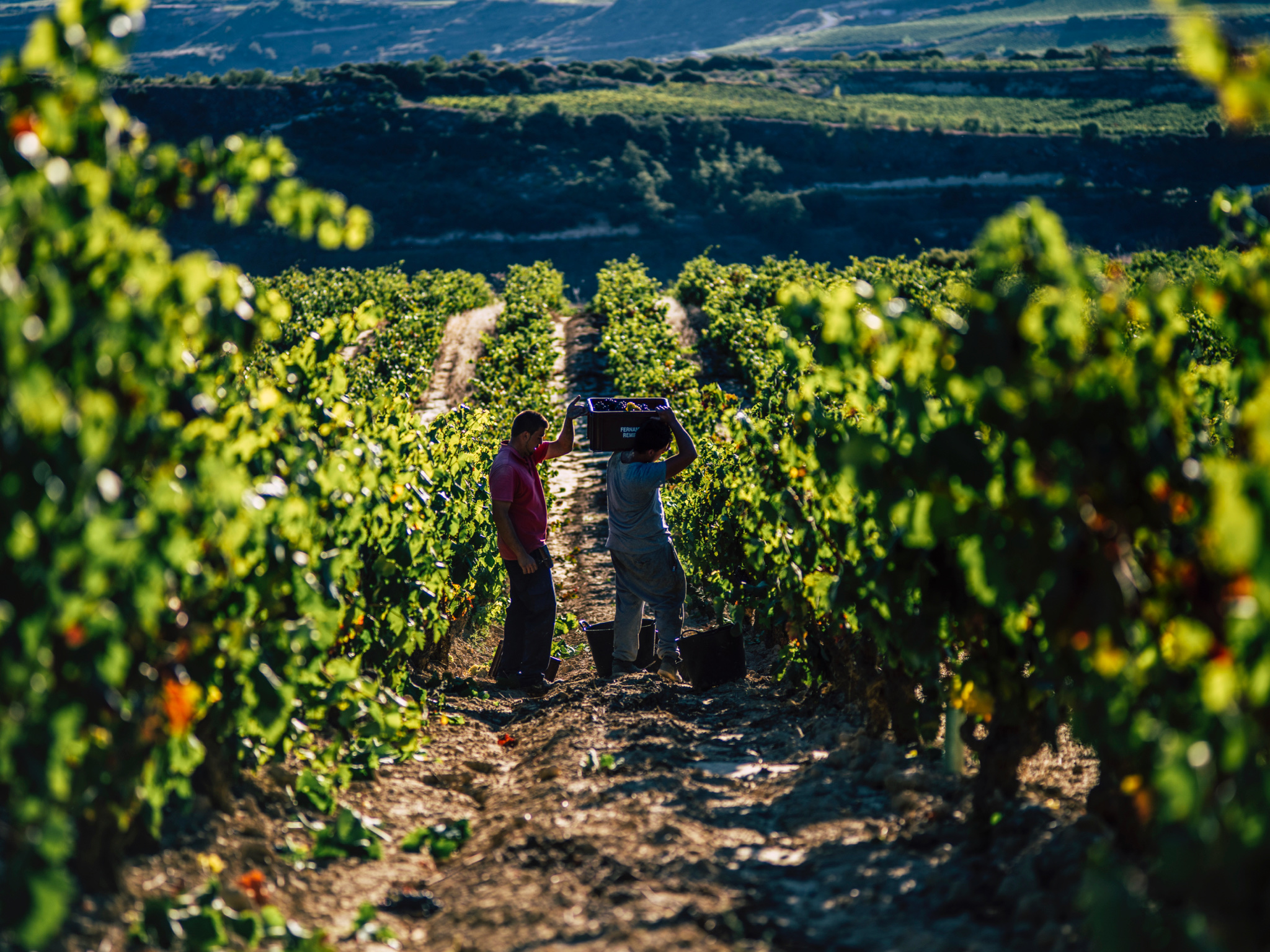
Wine’s story starts later, though still deep in prehistory. The earliest chemical evidence of grape winemaking comes from the South Caucasus, in what is now Georgia, dating to around 6000 BC.
According to a 2017 study in the Proceedings of the National Academy of Sciences, residues in Neolithic pottery from sites such as Gadachrili Gora contained tartaric acid, malic acid and other grape biomarkers, proving that the jars once held fermented grape juice.
Stephen Batiuk, one of the archaeologists, commented that “this is the oldest example of the domestication of a wild-growing Eurasian grapevine solely for the production of wine”. This pushes the beginnings of intentional winemaking back 8,000 years and establishes the South Caucasus as the cradle of viticulture.
Elsewhere, alcohol was being brewed from whatever ingredients were at hand. A mixed fermented beverage from rice, honey and fruit has been found in 7000 BC pottery at Jiahu in China. It was not grape wine, but it shows that the impulse to produce alcohol was widespread and culturally diverse.
The spread of pottery technology in the Neolithic was key. Pottery provided the ideal vessel for brewing, storing and transporting alcoholic drinks. As Batiuk said, pottery “was invented in this period together with many advances in art, technology and cuisine”, giving humans a practical way to manage fermentation rather than leave it to chance.
Wine and culture
Once grape winemaking took hold, wine developed into a cultural marker. By 3000 BC, Egyptians were importing wines from Canaan and burying their pharaohs with jars for the afterlife. Ancient texts describe wine as both medicine and luxury, while archaeological evidence shows it quickly became a “highly valued commodity” central to social and religious life.
And the winner is… beer
Based on current evidence, beer gets the nod as humanity’s first deliberately crafted alcoholic drink. The Natufian beer production of around 13,000 years ago predates the earliest evidence for intentional grape wine by roughly five millennia. Beer not only came first, but it may even have nudged humanity towards farming in the first place.
If we include accidental fermentation, wild fruit wines might predate everything, but deliberate brewing is another story. Wine, for all its cultural weight and aesthetic pedigree, seems to have been a relative latecomer. Beer, in contrast, was present at the dawn of agriculture and at the centre of early communal rituals.
A future excavation may yet unearth a proto-wine tradition older than Natufian beer. Until then, the score stands at beer one, wine nil.
Related news
Top 10 most valuable wine and spirits heists in history



I don’t think there is a doubt that beer came before bread, and that beer was the reason humans settled down where they did. Beverage alcohol (and perhaps other drugs) was also responsible for civilization as we know it, in terms of different groups/tribes getting together to resolve issues and make treaties over drinks around the fire. It still happens today.