



Sake moves beyond the sushi bar
As UK demand for artisanal sake increases, Akashi-Tai is showing how the drink fits into cocktails, cheeseboards, and fine dining menus alike.
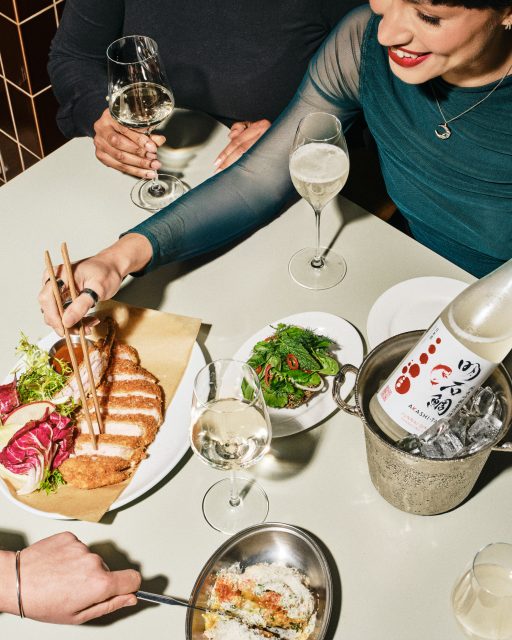
Akashi-Tai has been run by the Yonezawa family since 1856, with its brewery based in Akashi City, Hyogo Prefecture, on Japan’s Seto Inland Sea. The region is known for its clean water and high-quality rice (both essential to sake production). Now led by fourth-generation Tojo Kimio Yonezawa, Akashi-Tai continues to make sake in small batches using time-honoured techniques, staying close to its roots while looking outward to global markets.
While becoming increasingly popular, many Western consumers still overlook Sake. “Many still associate sake primarily with hot serves in sushi restaurants, when in fact, premium sake is typically enjoyed chilled and offers incredible diversity in style and flavour,” Rick Bennett Baggs global brand director at Akashi-Tai, told db.
He continued: “There is also a common misunderstanding that sake is a spirit rather than a brewed beverage more akin to wine in its production and complexity. The team at Akashi-Tai emphasises the importance of education around quality, serving method, and versatility to help consumers appreciate its craftsmanship, regional variations, and food-pairing potential.”
Versatility in the glass
Bartenders and chefs are playing a central role in expanding sake’s reach. Rick notes that the drink’s adaptability is helping it cross into new territory. “Sake is in fact remarkably versatile and can be integrated into Western classics, such as in a Saketini, a sake-based twist on the martini,” he said.
The Saketini-made with 35ml Tokubetsu Honjozo sake and 35ml premium vodka, stirred over cubed ice-is one such serve that highlights sake’s compatibility with cocktail culture.
The use of sake in mixed drinks is expanding into spritz serves as well. Will Patton, managing partner at Press Club in Washington DC, recently told db that: “Sake in a spritz is fantastic. We use it as a base in one of our tasting menu cocktails, with a grapefruit cordial and Champagne. The umami of the sake plays very well with the brioche of the bubbles and the citrus sweetness of the grapefruit cordial.”
Beyond Sushi: Expanding pairing potential
Naturally, while sake pairs beautifully with Japanese cuisine – as demonstrated at a recent dinner at Gordon Ramsay’s Lucky Cat in Bishopsgate, where Akashi-Tai accompanied dishes such as spicy tuna maki, grilled miso salmon, wagyu hungan and Hokkaido French toast – it is also showcasing its pairing potential across a broad range of restaurant styles thanks to its versatility.
Partner Content



Akashi-Tai’s Junmai Ginjo works well with creamy cheeses such as brie or camembert, while the Honjozo complements charcuterie and roasted meats. The Daiginjo has also proved effective with spicy cuisine such as Thai green curry, where its delicate sweetness offsets the heat. These unconventional pairings highlight sake’s adaptability far beyond its traditional context.
Global momentum
Sake’s reputation is evolving fast. In the UK, interest in premium, artisanal sake is growing. According to Akashi-Tai, it is now the country’s leading artisanal Japanese sake brand. Waitrose has seen searches for sake on its website rise by 214% in the last year. A separate db report from last year cited an even larger figure, with the retailer recording a 241% spike in online searches.
Sake is also trending across social media platforms and gaining traction on Google, with TikTok playing a growing role in popularising sake-based serves.
For Akashi-Tai, this shift is part of a broader global trend. “The US has emerged as a key growth market, fuelled by a rising appetite for Japanese culture and high-end dining experiences”.
“Akashi-Tai is also expanding across Southeast Asia, where a new generation of consumers is increasingly drawn to high-quality sake and more adventurous ways of drinking.”
As sake’s profile continues to rise, producers like Akashi-Tai are positioning themselves at the intersection of heritage and modern drinking culture – making the case that sake is more than a passing trend.
Related news
Making the most of sake’s ‘blank slate’ potential


