



Lanzarote suffers its worst wine grape harvest of the century
Vineyard yields on Lanzarote have collapsed to their lowest levels in over 30 years, as extreme weather and vine diseases take their toll. The shortfall is expected to send grape prices soaring and create a shortage of wines from the 2025 vintage.
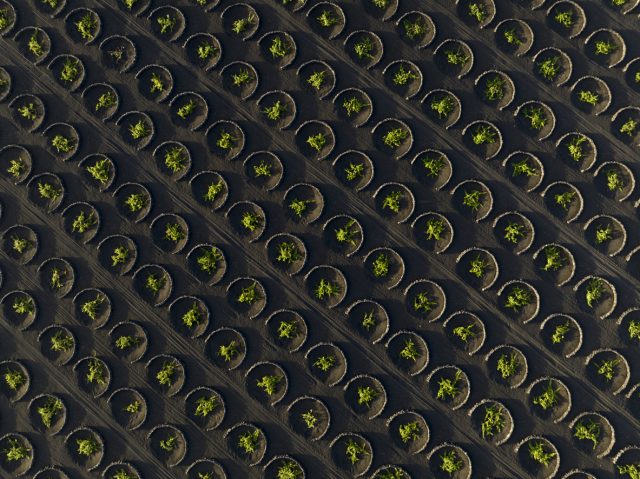
Lanzarote’s 2025 wine grape harvest will go down as its smallest of the 21st century, with fewer than 600,000 kg expected to be gathered by the close of the season. The figure, confirmed by the island’s regulatory council (Consejo Regulador de la DO Lanzarote), is less than half of last year’s 1.4 million kg and far below the long-term average of two million.
The harvest began in mid-July with Malvasía Volcánica, the island’s flagship variety. But as reported by local outlet Gazette Life, growers quickly realised the crop was far lighter than anticipated, with sparse bunches and a general lack of ripened fruit.
Drought and disease decimate vines
According to the Consejo Regulador, the primary culprit behind the dramatic drop is an extended period of drought that caused severe water stress in the vines. A warmer and drier-than-usual winter led to irregular budding, while higher spring temperatures interrupted fruit set and development.
Growers also reported outbreaks of vine diseases, which further weakened already stressed plants. Many vineyards were hit by fungal and bacterial infections typically controlled in normal years. Even robust plots suffered. One producer harvested under 2,000 kg this year, compared to 13,000 kg from the same vines in 2024.
The lowest yield in over 30 years
This year’s forecast of under 600,000 kg makes 2025 not only the worst of the current century but potentially the lowest-yielding harvest in more than three decades. According to data published in Canarias 7, previous poor years included 2016 with just under 700,000 kg, 2011 with around 720,000 kg and 2002 at just over 770,000 kg. But none have reached the depths of this year’s shortfall.
Partner Content


In contrast, bumper years like 2018 and 2023 delivered close to 4 million and 3.3 million kg, respectively, demonstrating the dramatic effect of climate fluctuations on Lanzarote’s low-intervention vineyards.
Prices hit record highs
With grapes in short supply, the price per kilo has surged to an all-time high. Larger bodegas are paying up to €4/kg, more than triple the rate seen in 2009.
Production estimates now sit at just 600,000 bottles for the entire vintage. That volume could sell out within the first six months of release, according to industry figures cited by Canarias 7. Restaurants and retailers are being warned of price rises across the board, with bottles of 2025 Malvasía Volcánica likely to retail at €27 or more.
A glimmer of quality
Despite the gloom, producers remain optimistic about quality. The smaller, more concentrated grapes promise intensity and freshness, hallmarks of Lanzarote’s best volcanic expressions. Nereida Pérez, secretary of the Consejo Regulador, told Gazette Life that while the harvest is extremely low, the remaining fruit shows excellent potential in both structure and aromatic character.
The council has said that the wines of 2025 may be rare but are expected to be “expressive and of very high quality,” reflecting the resilience of the island’s traditional bush-trained vines.
Related news
Why climate change may favour Garnacha in Rioja
Moët employs historic plant cuttings and new PIWIS in climate change battle
Analysis: Château Lafleur, climate change and the future of the appellation system


