



Kuwait bootleg liquor crackdown after 23 die from methanol poisoning
Kuwait has arrested 67 people and shut down 10 illegal alcohol factories after 23 deaths and more than 160 cases of methanol poisoning. The tragedy has drawn comparisons with fatal outbreaks in other parts of Asia and the Middle East.
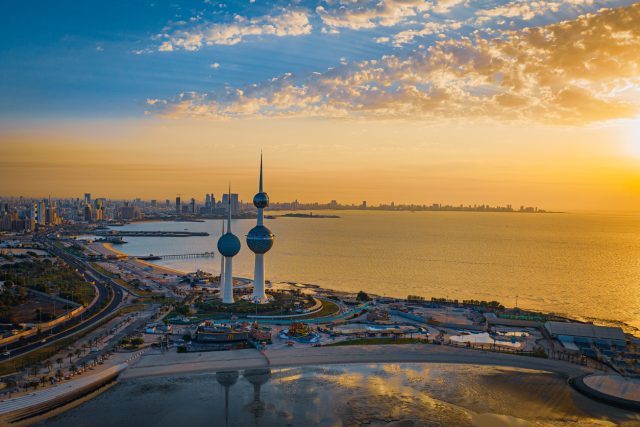
Hospitals in Kuwait City were inundated last week after dozens of people presented with nausea, breathing difficulties and sudden loss of vision. By Thursday, the Ministry of Health confirmed 160 cases of poisoning linked to illicit alcohol, with 23 deaths and at least 51 patients requiring emergency dialysis, while 31 were placed on ventilators.
According to Khaleej Times, health officials warned that methanol, a colourless industrial alcohol sometimes substituted for ethanol in crude distillation, is nearly impossible for consumers to detect. If ingested, even small quantities can lead to blindness, organ failure or death. Doctors Without Borders has noted that fatality rates from untreated methanol poisoning often range between 20% and 40%.
Large-scale bootlegging network uncovered
The Ministry of Interior launched a series of raids after an initial suspect was caught with large quantities of methanol in the Salmiya district. Investigations quickly led to the discovery of a countrywide bootlegging operation. In a statement on X, the ministry confirmed that 67 suspects were arrested and 10 clandestine breweries were seized, six of them active and four under construction in residential and industrial areas.
The ringleader has been identified as a Bangladeshi national. A Nepali member of the group described to investigators how the methanol was prepared and distributed, enabling security forces to trace the operation’s supply chain.
First deputy prime minister and interior minister Sheikh Fahad Al-Yousef Al-Sabah directed the crackdown, with authorities vowing to apply a zero-tolerance policy to those producing or selling illegal alcohol. Officials warned that the consumption of methanol can cause “immediate death” and pledged continued nationwide security operations.
Partner Content

Migrant workers among the hardest hit
Most of the victims are expatriate workers from South Asia, reflecting Kuwait’s demographic profile, where foreign labourers form a large part of the population. The Indian embassy reported around 40 nationals hospitalised, some in critical condition, while ambassador Adarsh Swaika visited patients in hospital and announced a hotline for affected families.
The Nepali embassy confirmed at least 10 Nepali citizens had died, as reported by the Kathmandu Post, while community leaders suggested the toll could be higher. Embassy officials also urged workers to avoid illicit alcohol and offered assistance to those hospitalised.
Alcohol ban fuels black market risks
Kuwait enforces one of the strictest alcohol bans in the world. Import, production and consumption are entirely prohibited, unlike neighbouring states such as the United Arab Emirates or Bahrain, which allow licensed sales. According to the Ministry of Interior, this has fostered a shadow trade in homemade spirits, brewed in unsafe conditions and often using toxic ingredients.
Police regularly announce seizures of bootleg liquor, but demand persists among expatriates and residents who seek alcoholic drinks despite the legal restrictions. The recent outbreak has demonstrated the public health cost of such clandestine consumption.
Comparisons with regional tragedies
The Kuwait deaths are the latest in a series of fatal methanol outbreaks in prohibition or low-income settings. In Iran, dozens died in 2020 after methanol was falsely touted as a coronavirus remedy. In India, where alcohol is legal but illicit “hooch” is common, more than 47 people died in Tamil Nadu in June this year after consuming toxic spirits, according to Reuters.
Related news
Chemical engineer develops hangover pill that 'could prevent alcohol poisoning'


