



Austria carves winning niche in crowded Sauvignon Blanc market
Sauvignon Blanc may not be Austria’s headline grape, but it is quietly turning heads among consumers and experts. db investigates why the variety is gaining a following.
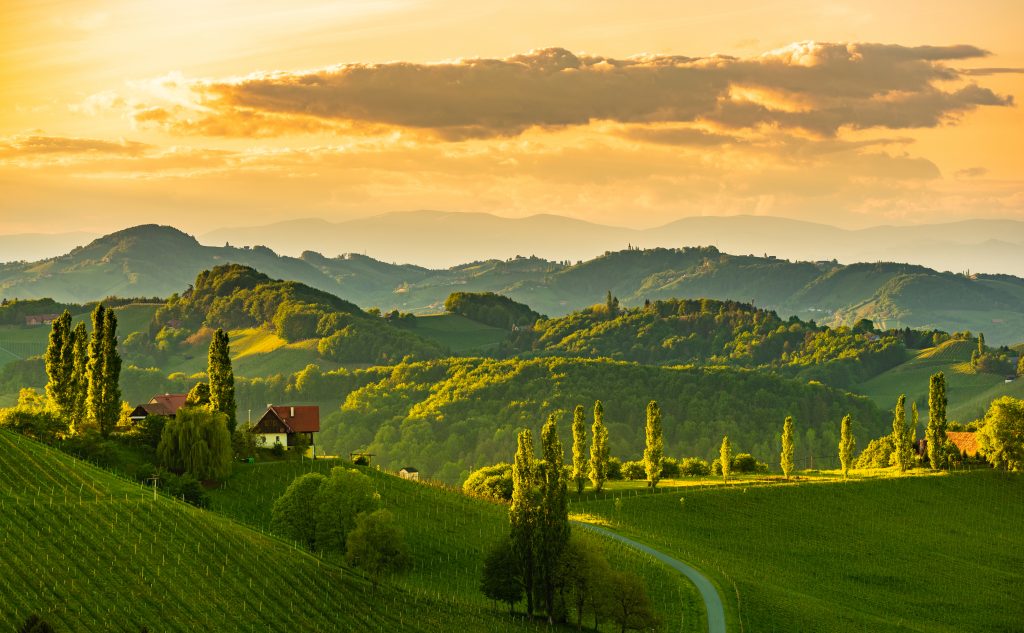
The clue is in the name: to be a so-called ‘international variety’, a grape should be planted around the world. Yet some have come to be associated very strongly with particular regions. Sauvignon Blanc has its almost antipodean centres of Marlborough and Sancerre dominating the conversation. For the average consumer, Austrian Sauvignon Blanc would not enter the picture.
Yet Austria – the world’s 16th largest wine producer – is gaining a reputation for the grape. Canny producers have recognised the opportunity offered by popular Sauvignon Blanc, while critics and tastemakers are praising its potential for high-quality winemaking. If not a global phenomenon just yet, Austrian Sauvignon Blanc is certainly bubbling under.
Sauvignon Blanc’s position in Austria
In the wine drinking world, Austria is a success story driven by local history. Native grapes – whether autochthonous or cultivated at one of Austria’s research institutes – have built a firm reputation overseas. They account for more than half of the country’s production, with Grüner Veltliner in particular now featuring on many wine lists.
Yet that leaves a fair chunk of production for international varieties. This features several ‘usual suspects’ of white grapes: Chardonnay, Riesling and Pinot Blanc each make up 4–5% of total plantings.
Sauvignon Blanc sits just below, at 3.9%, but it has the potential to be another success story for Austria. Introduced to the country in the 19th century, it has a long history, but has only recently rocketed in popularity. Reflecting a global appetite for Sauvignon Blanc, winemakers have rapidly increased plantings in the last 30 years. Indeed, in the first decade of the 21st century, the area dedicated to the variety doubled, and the total now stands at 1740 hectares.
That Austria has taken advantage of the Sauvignon Blanc boom should come as no surprise. White grapes amount to 70% of plantings, with Austria having made its reputation on crisp, fresh whites. Sauvignon Blanc falls squarely into that wheelhouse, with Grüner Veltiner serving as a gateway to Austrian Sauvignon Blanc (and indeed, Sauvignon Blanc serving as a path to Grüner Veltliner).
The plantings now span most of Austria’s winegrowing regions, with notable outposts, for instance, in Neusiedlersee, Burgenland (193ha) and Weinviertel, Niederösterreich (226ha). One region, however, accounts for more than half: Steiermark, in Austria’s southeast.
An exciting region
Sauvignon Blanc is far from a monoculture in Steiermark (also known as Styria), but it is the closest the region has to a flagship grape. Producers have dedicated 965ha to the variety, 19% of the total area. That may not be dominant, but it is more than any other variety, and Sauvignon Blanc can bank on international renown to boost its position. For better or for worse, second-place Welschriesling is a less accessible option on a wine list.
Steiermark enjoys the interesting geology that so often marks a fine winemaking region. It sits between the eastern edge of the Alps and the Pannonian basin, resulting in a mixture of slopes and aspects, as well as complex geology that offers varied terroirs.
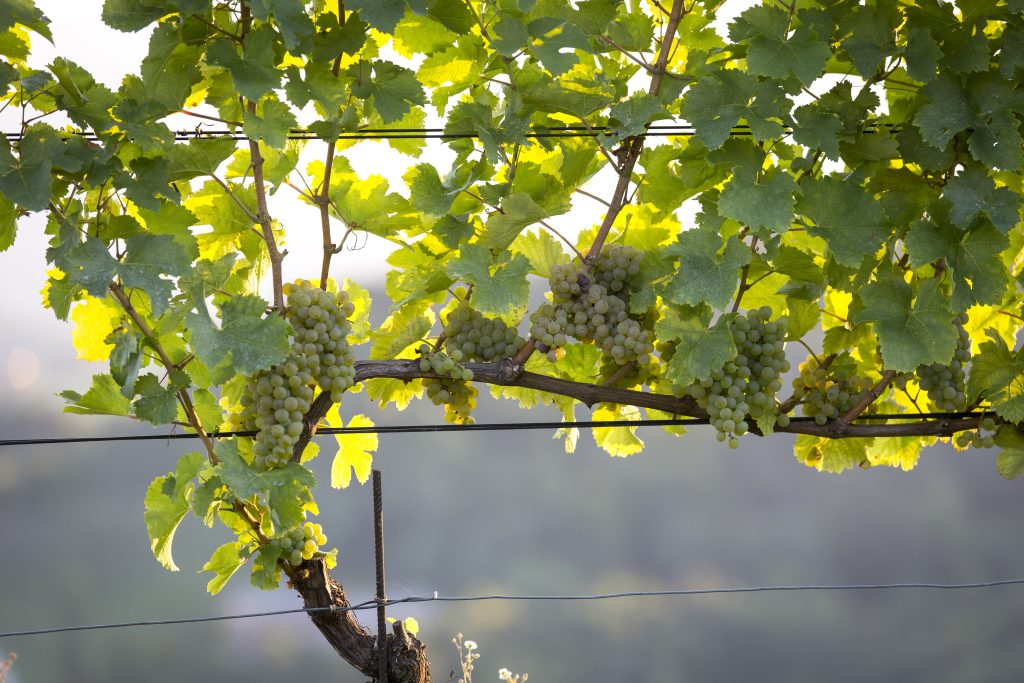
In Südsteiermark, the sub-region that accounts for the majority of Sauvignon Blanc plantings, mountain ranges such as the Sausal provide complex networks of hills and valleys. These can hit heights of more than 600 metres and offer steep slopes that require terracing. Although the added labour proves a challenge, the benefits of free drainage and sunlight interception help ensure a good crop.
That is particularly relevant for Sauvignon Blanc which succeeds in poor, well-drained soils. The sites based on course-grained, alluvial gravel are notably suited to the grape variety, although a number of silt, sand and marl-based terroirs can also produce fine Sauvignon Blanc.
In its climate, too, Steiermark has proven a suitability for Sauvignon Blanc. The vines bask in sun in the daytime, but the region’s continentality and air descending from the hilltops make the night considerably cooler. That high diurnal range helps ensure the grapes retain their characteristic freshness, even as they ripen and develop aromatic complexity.
Partner Content
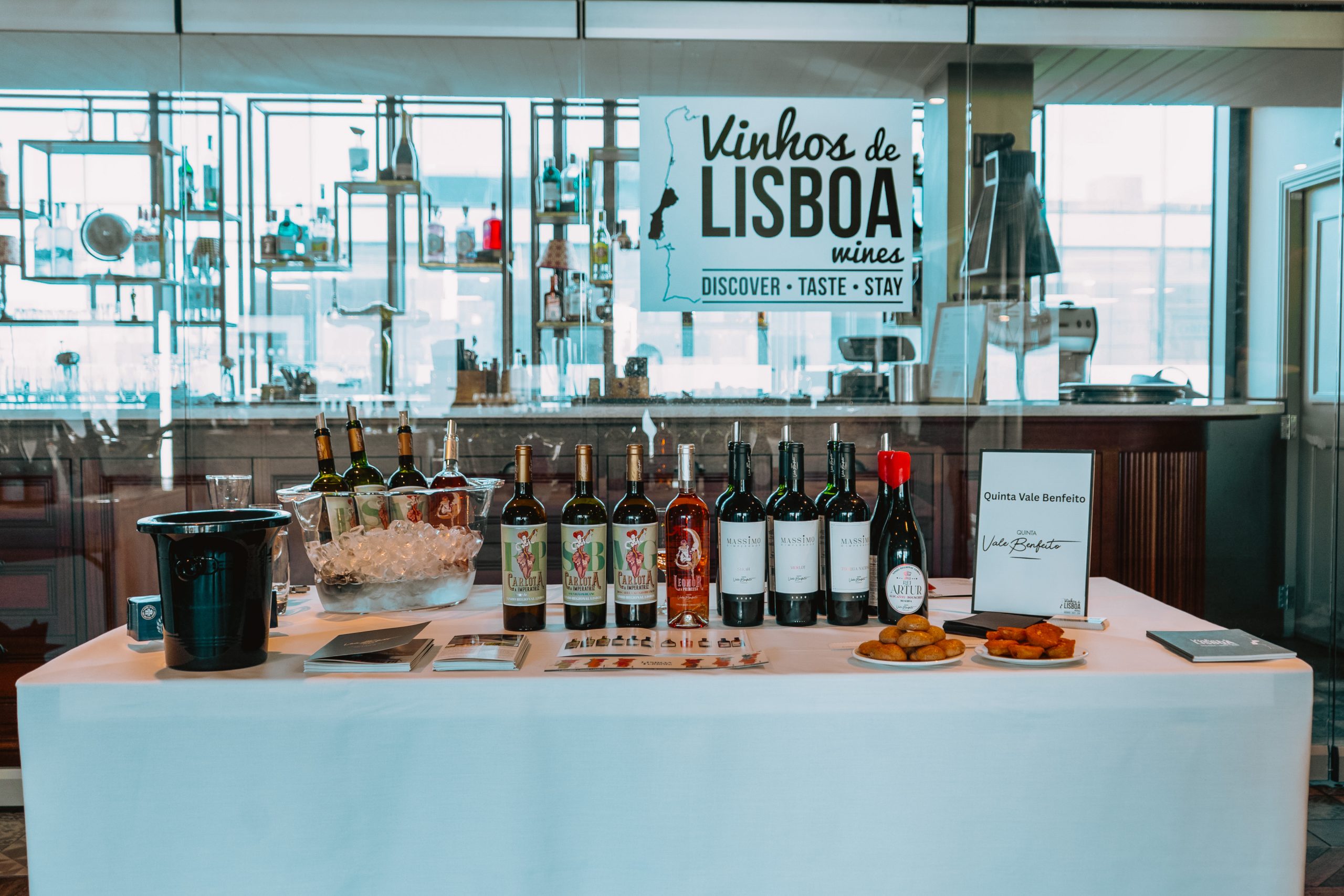
With a distinct terroir on offer, Austria has therefore been able to carve a niche in the crowded Sauvignon Blanc market. As Chris Yorke, managing director of the Austrian Wine Marketing Board, previously explained to db: “It has conquered the middle ground between the aromatic Marlborough and the taut and mineral Sancerre style. Austrian, and especially Styrian, Sauvignons are able to combine fruit and minerality, ripeness and freshness in a very elegant way.”
International acclaim
With such an advantageous toolkit, producers are taking advantage to craft distinctive and lauded wines. It is, certainly, something that has been evident at the drinks business’ blind tastings.
Steiermark has produced wines worthy of Masters medals – the highest category – at competitions in 2022, 2023 and 2024. Schneeburger Ried Hochbrudersegg won at the drinks business Spring Tasting 2022, while Krispel’s Ried Neusetzberg bottling took the medal at the same competition’s 2023 edition.
In 2024, Weingut Sattlerhof Ried Kapellenweingarten Sauvignon Blanc took home a Master medal at the Global Sauvignon Blanc Masters. Its neighbour, Weingut Hannes Sabathi went one further, and was chosen by the judges to have made the year’s best Sauvignon Blanc in its Ried Kranachberg Kreuz bottling.
Revealing that award at The Master Winemaker 100 awards ceremony at Wine Paris earlier this year, Patrick Schmitt MW took the opportunity to praise the region as whole.
“You might have thought our best Sauvignon Blanc of 2025 would come from the Loire or Bordeaux, Marlborough, or California,” he told the audience. “But no, our ultimate expression was from Austria. While the nation may be best known for the quality of its dry whites made from Grüner Veltliner – its emblematic grape, and most planted variety – there’s a growing feeling that the country’s best wines are from Sauvignon Blanc.
“Certainly, in my experience, the grape, when grown in the steep, rocky slopes of Styria, produces remarkable results, and a distinctive style. Intensely citric and dry, with persistent flavours of lime juice and chalk dust, the expression is powerful, refreshing and memorable. It also pairs wonderfully with oak, whether new or used, creating a wine style similar to great Graves, only more piercing.”
This year, the region’s wines have already made an auspicious start. Weingut Kodolitsch Ried Rosengarten Sauvignon Blanc won a Gold medal at the drinks business Spring Tasting. Jonathan Pedley MW provides his tasting note below.
Weingut Kodolitsch Ried Rosengarten Sauvignon Blanc 2022
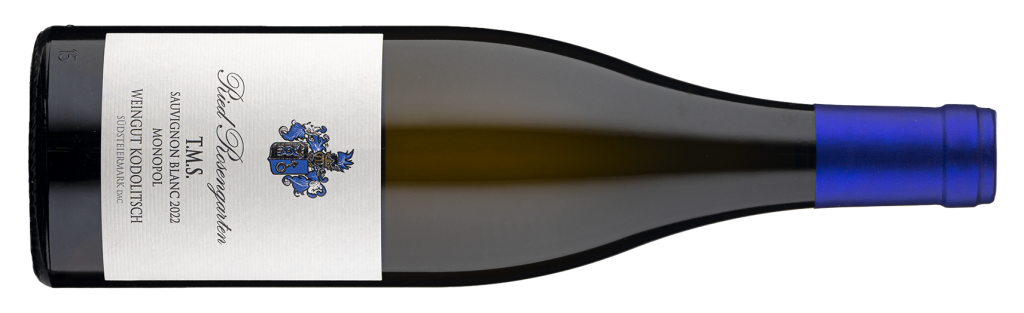
- Producer: Kodolitsch
- Region: Steiermark
- Country: Austria
- Grape varieties: 100% Sauvignon Blanc
- ABV: 13.5%
- Approx. retail price: £40
The wine is mid-straw in colour, with just a hint of gold. The nose is youthful and pronounced. There is plenty of green fruit (apple, pear and kiwi), some interesting herbal notes (sage in particular), all overlaid with toasty oak. The palate has lively acidity and is dry. The warmish alcohol and mouthfilling fruit contribute to the wine’s body and texture. The oak returns on the finish to add length. Overall, a very successful rendition of the fumé blanc style.
Related news
All the medallists from The Rioja Masters 2025


