



In high spirits: The man behind Nepal’s most talked-about bar
In 2016, Abhishek Tuladhar ditched a finance career in Singapore to start from scratch, introducing Kathmandu to cocktail culture. Five years later he launched Barc, and since, the bar has blossomed into an award-winning exemplar of Nepali hospitality and flavour.
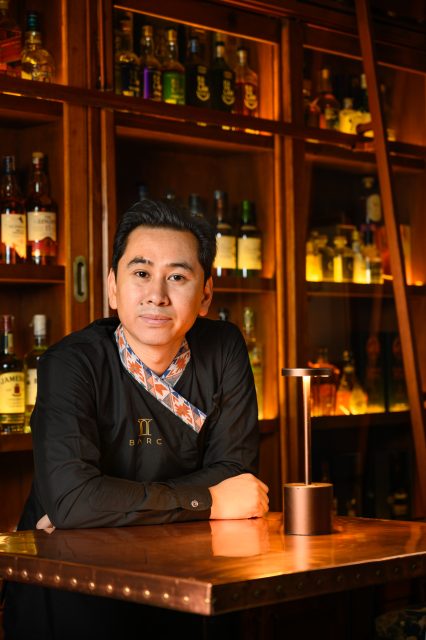
Tourists have long-since flocked to Nepal for the thrill of adventure promised by its snow-capped peaks. But in the capital, a cohort of cocktail makers are ushering in a new era for hospitality.
And Abhishek Tuladhar is the leader of the pack, which you may not expect for someone who had no prior bartending experience before 2016. It was less than a decade ago that he called quits on a finance job in Singapore, and returned home to boldly leapfrog into the mixology scene. Tuladhar launched Bar Stories, a cocktail catering pop-up company that aim to posit cocktails as a medium of expression as opposed to indulgence, before founding his own site – Barc – in 2021.
Since, the sleek, speakeasy-esque bar has flown from strength to strength. Just last month, the venue, located in Tripureshwor, took home the Michter’s Art of Hospitality Award as part of Asia’s Best Bars 2025, after being the first Nepali bar to break into the list at No.39 in 2024. Emma Sleight, head of content for Asia’s 50 Best Bars, labelled the establishment a “trailblazer” redefining how people drink, connect and experience hospitality in Kathmandu.
Feelings come first
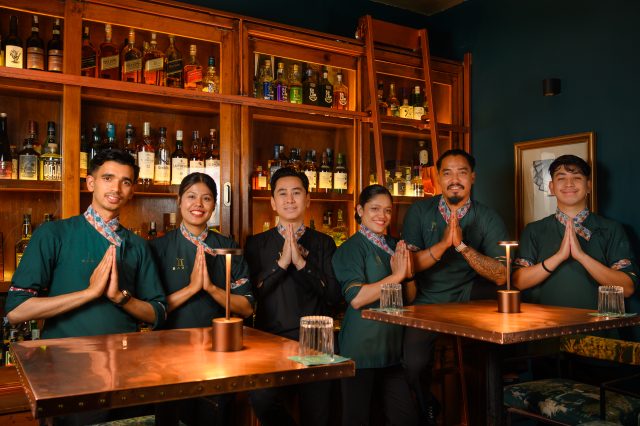
“At Barc we don’t just greet a guest with ‘hello’, we say ‘we see you’,” Tuladhar told 50 Best, reflecting on the win. Speaking to the drinks business, he says this looks like paying acute attention to customer needs. While one guest will want to unwind in the corner nursing a quiet tipple, another may be raring to take front seat at the bar, test out raw ingredients and with an eager listening ear to hear the stories behind the cocktails. “We’re there to explain who we are and talk about what we’re doing, but also give them space,” explains Tuladhar. “It’s a delicate balance of understanding your client and what they actually want from the experience.”
It’s a no-brainer that, for the operator, a bar is far more than a drinking hole. Barc has hosted local musicians and artists, as well as a catalogue of international chefs and bartenders from as far as Japan and Cyprus. “It really showcases that it’s not just a place to come where you can just drink, party and go, it’s more about culture and everything else that comes with that. That’s why we focus so much on hospitality – it’s not just about having a drink, it’s about how you feel.”
The real secret to stellar hospitality is a simple trick Tuladhar picked up from his hotelier parents: Being genuine. For the bar owner, this means, “when you don’t have to act but you understand what it takes to make someone feel comfortable”. And it’s ingrained into the fabric of Nepalese hospitality; “when people come to our house, it’s the same thing”, he says. But, as he urges again and again throughout our conversation, I’ll have to visit to see for myself.
Going local
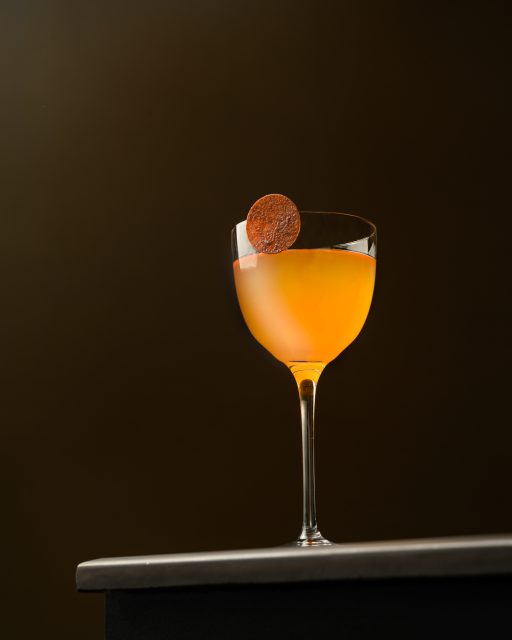
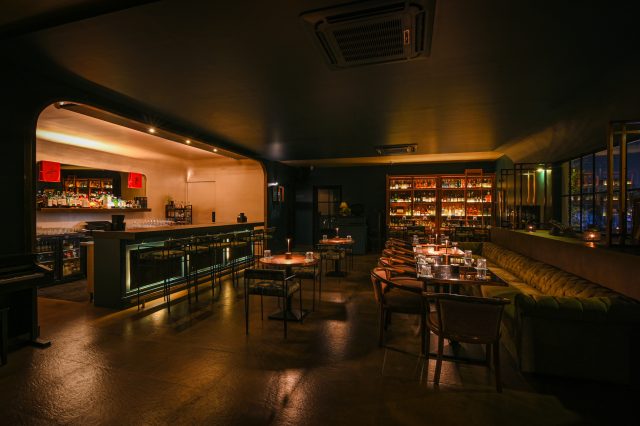
And when he runs me through the cocktail menu, I catch a glimpse of that hospitality, as if I’m perched on a stool listening to Tuladhar animatedly bring the drinks to life in the suave, low-lit rooftop of the Bluestar Complex. He makes no bones about the fact that Barc has sparked a cocktail renaissance in the city. Take the Bloody Nepali for instance, crafted with hog plum. known locally as lapsi. “All bars have that drink now,” its creator attests, “it’s become a kind of Nepali classic”.
The cocktail list is a condensed rainbow of local flavour, featuring native Newari spirits such as ayla (local fermented rice distillate), and Nepalese ingredients like titaura – a tangy treat made by drying and flavouring fruits like gooseberries, and timur pepper. There’s the Bloody Lapsi, a riff on the Bloody Mary made with lapsi, and Chaangria – sangria made with local rice wine.
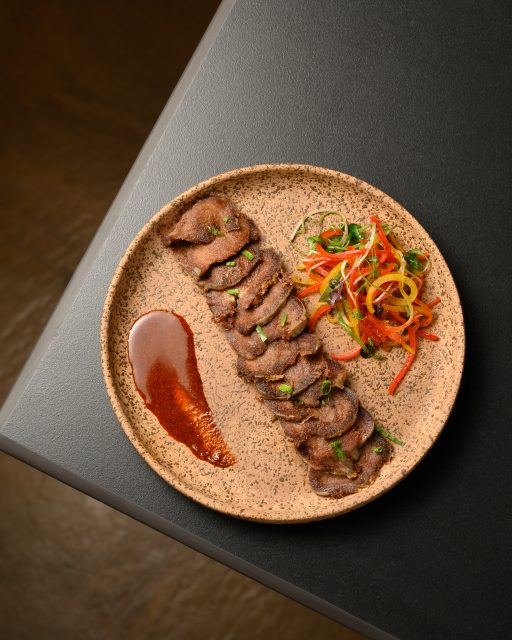
When it comes to food, it’s a broader pan-Asian affair, but the traditional Nepali classic – streamed momo dumplings – are a fan favourite, and can be dressed with herbs (jimbu, coriander), spice (chilli oil, tomato achaar) and greens (spring onions, microgreens). Soft buffalo tongue, paired with chilli paste and fresh salad, is another eye-catching pick, and local artisan cheese, kanchan, features across the menu.
Partner Content

Preservation and fermentation
But it’s not that toying with local flavour is a choice, per se – it’s also just what’s available in the market. Barc buys specifically from local vendors, including one lady who makes the traditional delicacy gudpak (caramelised milk fudge), and an ice-cream-maker friend. This approach embraces sustainability and cuts costs: “We develop a menu around what we have”.
Tuladhar admits that the South Asian country’s fresh produce is not the best in the world, but believes it excels in techniques like preservation and fermentation. “I started using things that were available or things we could easily make that would not spoil,” he tells db. “We try to use things that are available throughout the year with consistent flavour”. Plums are gutted and frozen to create fruit leather, for example. “Of course”, Tuladhar adds, “we do have a couple of fresh and international cocktails, but dominantly, we use these flavours to showcase who we are”.
The inconsistency of produce and flavour is, however, a challenge. There’re always shortages, admits Tuladhar, and I’m reminded of a Drink Stint article where Rovin Gurung, founder of Kathmandu bar Bitters & Co, proudly brandishes a single lemon having scoured the country far and wide for the citrus gem.
A cocktail renaissance
Nepal is landlocked, often reliant on road deliveries from India, so even when bartenders obtain fresh produce, costs fluctuate wildly. But the instability of Nepal’s broader economy is also tough, notes Tuladhar, citing the hangover from the 2015 earthquake and, of course, Covid. He does look on the bright side though: “People in Kathmandu are quite positive generally, even though it’s difficult.”
Historically, dive bars and beer halls reigned in the capital when it came to drinking. But a holy trinity of bars – Barc, Bitters & Co, and the low-lit saloon cushioned between souvenir shops; Blackbird – all launched in 2021, ushering in a new cocktail-drinking age. The venues served up balanced pours – a far cry from the previous notion of cocktails in the city which, according to Tuladhar, were “too sweet or too strong”.
“Exposing our clientele, and the general Kathmandu people, to balanced and interesting flavours, has now created the boom and everyone is doing it,” he claims. “Now, every bar that opens is a cocktail bar; all hotels want a good cocktail programme, which is a very good testament to the influence of the three original bars.”
Hospitality sector in growth
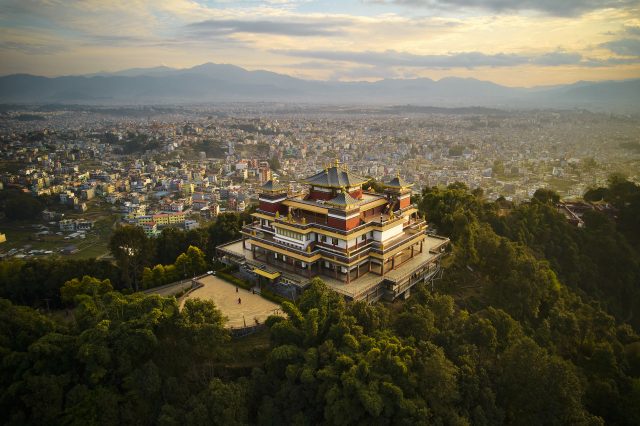
In 2025, Nepal’s hospitality sector continues to rocket forward. It’s now the second-highest foreign exchange earner in the country, with gastronomy a flourishing pillar of tourism. With it has come a slew of luxury openings: Lemon Tree Hotels, one of India’s fastest-growing hotel chains, leapfrogged into the Nepali market with a 5-star site in 2024, and in the same year, InterContinental Hotel Group’s (IGH) Holiday Inn Resort Kathmandu Budhanikantha also launched. There are four more upcoming hotels from IGH, and in June, Indian operators behind the iconic Delhi-based bar Sidecar, unveiled their Newari-inspired cocktail bar The Old House in Kathmandu. Tuladhar, too, is contributing to the flurry of new openings. His second site in Patan, also in the Kathmandu valley, is set to launch as part of a boutique hotel.
But cocktails are still a fairly new concept in the Himalayan region, according to Tuladhar. Alcohol is a big part of Nepali culture, intertwined with many local traditions, but a large chunk of people are also teetotal: “Our market is still catching up to the rest of the world”.
However, that’s changing. “The cocktail market has got a lot of potential, because there’s still so much scope between the supply and demand,” he forecasts. “There are new bars coming up that are very interesting and are new concepts, so we’re getting there. Kathmandu is definitely one to watch in the next couple of years.”
Barc knuckled down on its internal programme for several years before its time came to shine in the international market, and Tuladhar expects new sites will follow this upwards trajectory: “It might take a couple of years but it’s going to be amazing.”
Related news
Beer sector in India invests in Uttar Pradesh
What the doctor ordered: China’s burnt-out youth mix traditional medicine and cocktails


