



Domaine de Baronarques kicks off La Place’s hors Bordeaux campaign
With autumn upon us, the first of the new hors Bordeaux offerings from La Place has been released, with Baron Philippe de Rothschild’s Domaine de Baronarques first out of the gate.
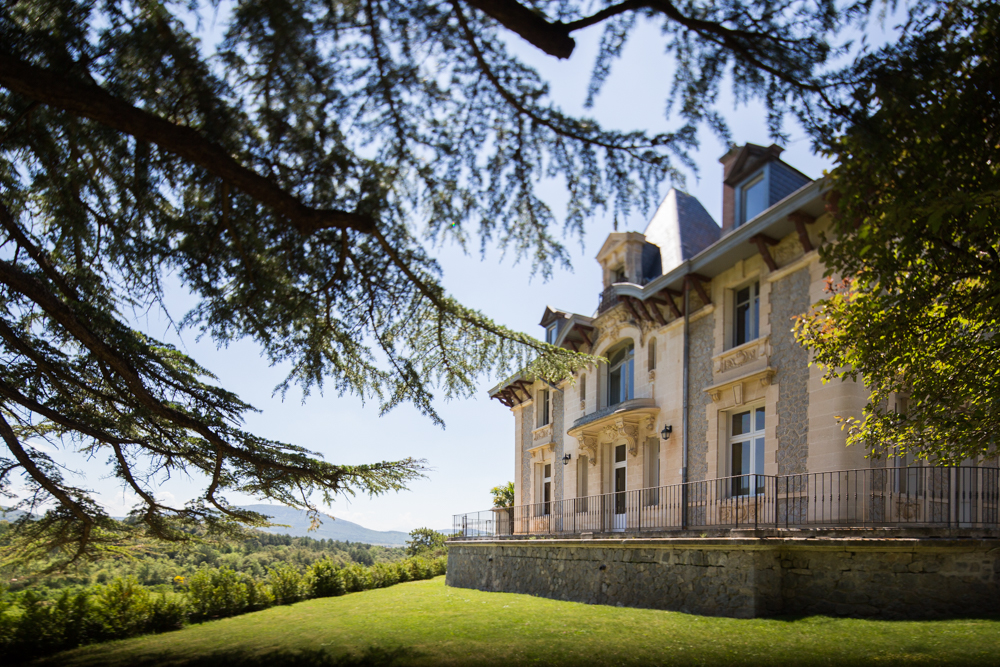
Autumn is nearly upon us and as August (almost) turns to September, we see the first of the new hors Bordeaux offerings from La Place. They come from Baron Philippe de Rothschild’s Domaine de Baronarques and will be offered with an ‘open market’ distribution in all countries excluding Japan and the United Kingdom, through an extensive pool of some 27 négociants (amongst them the stars of the hors Bordeaux market).
This is Domaine de Baronarques’ third release on La Place with an open market distribution, though the wines have been sold through La Place since 2005.
Domaine de Baronarques is an historic domain, dating from the mid-16th century when it was known as Domaine de Lambert and was owned by the nearby Abbey of Saint-Polycarpe. It is located in the appellation of Limoux in the department of Southern France.
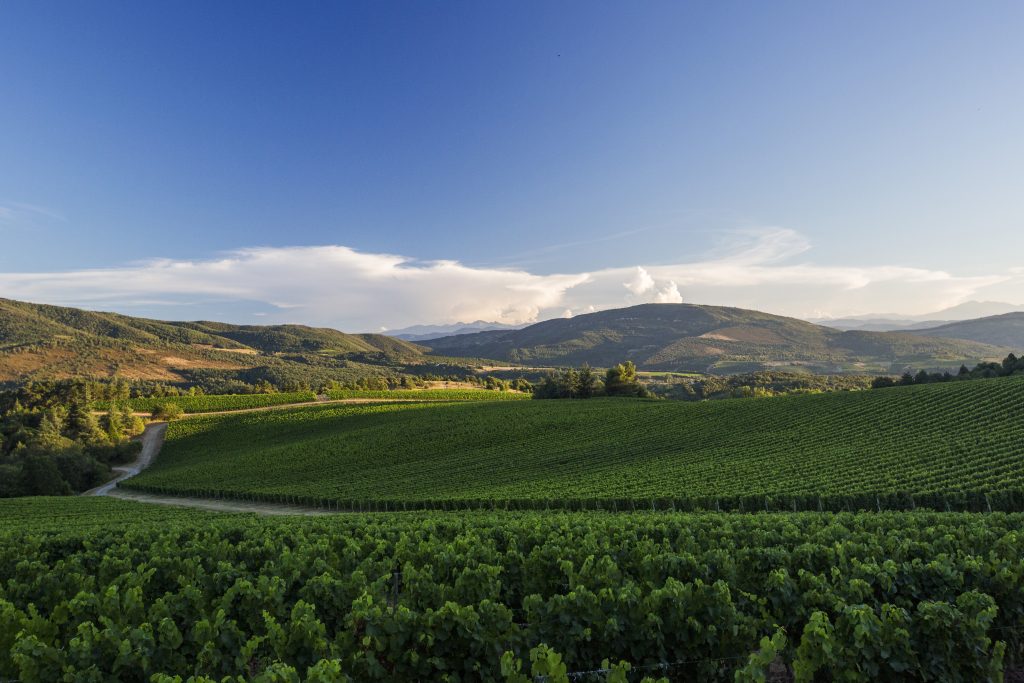
The estate itself is of 110 hectares. However, only 43 hectares are under vine and they form an essentially single block. But don’t be deceived. This is a veritable patchwork of very different terroirs and micro-climates, ranging in altitude (from around 250 to 350 metres) and varying in exposition, wind currents and soil types. At the same time, the entire vineyard is profoundly influenced by its almost unique combination of Atlantic and Mediterranean climatic influences and by its proximity to the Pyrenees – shaping very significantly the circulation of air and contributing to the inherent freshness of these wines despite their essentially southern location.
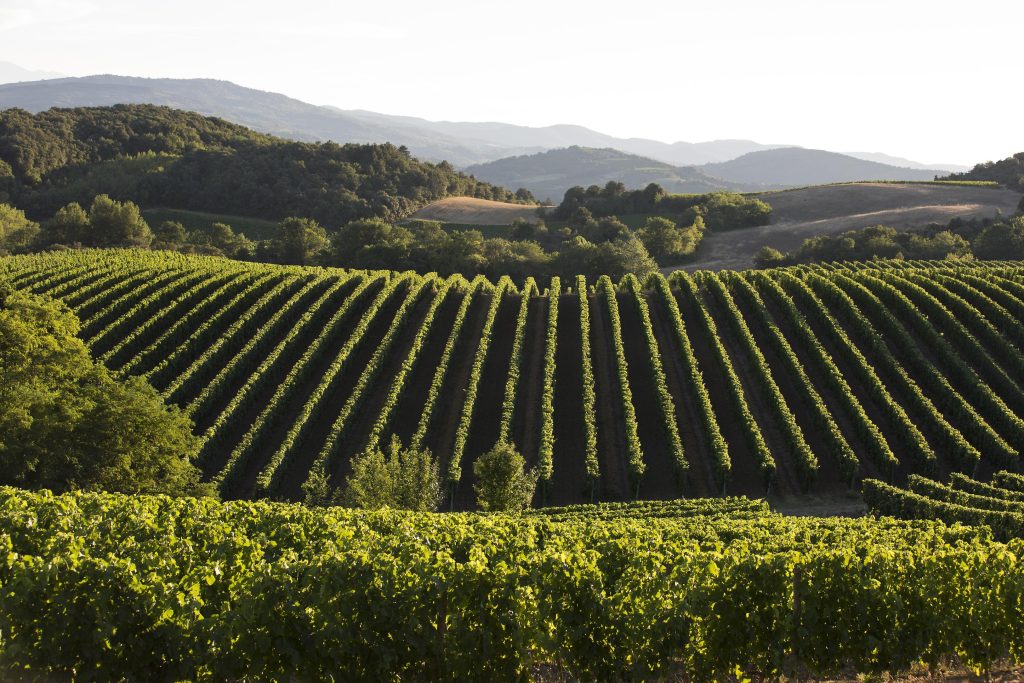
Crucial to this is that Domaine de Baronarques is where the regionally-predominant air flow from the Mediterranean south, funnelled and channelled by the contours of the valleys in the foothills of the Pyrenees, meets that from the Atlantic rather further away. The combination and interaction between these influences forms the micro-climate of the vineyard. Altitude is no less crucial, contributing as it does to the fresh nights which, in turn, allow a longer, slower maturation of the grapes on the vines (as is very discernible in the quality of the tannins).
Freshness also comes from the typically low pH and natural acidity of the predominantly limestone-rich sub-soils. And whilst, above all in the context of recent vintages, alcohol levels in the Chardonnay have been rising, this is now compensated for with the lower alcohol and additional freshness of the Chenin Blanc (a recent addition to the complexity of the terroir-varietal matching that is so integral to the white as much as the red).
Though the appellation rules, for the red at least, are invariably referred to as permitting the bringing together of Rhone and Bordeaux varietals, that is not at all how the property thinks of them. Its philosophy is much more based on matching what are seen as locally indigenous varietals to the diversity of terroirs on offer at Domaine de Baronarques. This is the key to the complexity of both wines in that it provides a rich palette of vinous opportunities from which the wine is assembled, much like an artist constructing a painting on a blank canvas.
Partner Content



My comprehensive tasting notes for the hors Bordeaux autumn collection will be published, region-by-region, as the first releases start to emerge from next week. But here, as a sneak preview, are my thoughts on the Baronarques releases.
Tasting Notes
Domaine de Barronarques 2023 (Limoux; 36% Merlot; 25% Syrah; 26% Cabernet Franc; 10% Malbec; 3% Cabernet Sauvignon; pH 3.65; aged in French oak barrels, 25% of them new for 12 months; 14.5% alcohol). Fresh. Bright. Crisp. Lifted. A little more floral, perhaps from the greater share of Cabernet Franc and Malbec. Spicy and peppery too. Very fine-grained in its tannins rendering this sapid and lithe. Refined and glossy. Cylindrical, in profile, long and linear. A lingering suggestion of candlewax and patchouli on the finish. 94+.
La Capitelle de Baronarques 2023 (IGP Haute Vallée du l’Aude; 68% Syrah; 22% Merlot; 10% Malbec; pH 3.67; aged in French oak barrels of 1 to 4 wines for 6 months; 14.5% alcohol). Presumably the higher percentage of Syrah here takes this out of the Limoux appellation. If so, it’s an excellent choice that reflects the philosophy of the property which is not to let the appellation rules that were constructed in different climatic conditions constrain the expression of the terroir. This achieves that exceptionally well in what was hardly an easy vintage. This is wild, floral, herbal and quite delicate with the natural power of the Syrah held back a little in the service of freshness. But it’s still has a lovely distinctly smoky Syrah character that rather reminds me of a fine St Joseph! 92
Domaine de Baronarques blanc 2023 (Limoux; 97% Chardonnay; 3% Chenin Blanc; pH 3.29; 2% malolactic fermentation to retain the natural freshness; aged for 8 months in French oak barrels, 25% of which are new; 13.1% alcohol). Bright and crisp to the core. Mirabelle, white pear, a little apricot stone, maybe a sliver of almond. Tangy tangerine and blood orange rind. Impressively complex in its fruit profile, yet elegant, integrated and harmonious. Glassy and quite sapid and juicy. Fresh on the finish. 93.
La Capitelle de Baronarques blanc 2023 (Limoux; 100% Chardonay; pH 3.3; 10% malolactic fermentation; aged for 6 months in French oak barrels and 3 months in vats; 13.4% alcohol). There are enticing yellow and green highlights here that almost compete for visual attention, indicating something of the tension in this wine between the richer, riper, fuller notes and the more structural and structuring acidity. That is reflected in the fruit profile – pear and a little peach and nectarine on the one hand, quince, tangerine and citron pressé on the other. The two sides find a lovely harmony and this is a tempting, enticing and yet elegant and refined introduction to the grand vin. 91+.
Related news
Roman statues found inside ancient wine vat


