



Does rejuvelac contain any alcohol?
Rejuvelac, a drink made from sprouted grains such as wheat, rye, or quinoa, is growing in popularity. But does it contain any alcohol?
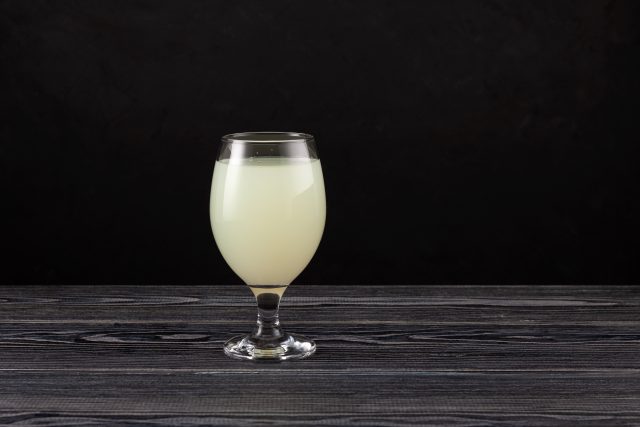
The drink, known for its probiotic benefits due to being rich in enzymes, vitamins, and minerals, is becoming increasingly popular with health enthusiasts. But, as the trend for rejuvelac grows, more people are asking: ‘Do I need to be aware of any alcohol in it?’
Many know that the fermentation process for rejuvelac gives it a slightly tangy taste, but few know much about it. According to health experts, the short answer is that “rejuvelac does contain a very low level of alcohol, but it’s not significant enough to cause intoxication”.
The experts outlined that “during the fermentation process, yeast consumes sugars and produces alcohol as a byproduct” and so “generally, the alcohol content can be around 0.5% ABV to 1% ABV, similar to non-alcoholic beer” and noted that “this amount is typically considered negligible”.
The team explained: “The fermentation process is key to the production of rejuvelac. As the grains sprout and ferment, enzymes break down starches into sugars, which are then consumed by the yeast. Alcohol is a natural byproduct of this fermentation. If fermentation is extended beyond the typical timeframe, the alcohol content could increase slightly, but traditional rejuvelac is usually enjoyed fresh, minimising this risk.”
Partner Content


Of late, rejuvelac has made quite the name for itself as a health elixir, with natural living citing that it not only boasts “digestive benefits” due to being “rich in enzymes, probiotics, and beneficial bacteria” which contributes to “a balanced gut microbiome”.
The drill down into the drink has outlined that “rejuvelac can serve as a fantastic alternative to sugary beverages” and “is a delightful blend of tangy and nutty notes, influenced by the grains used in its fermentation”.
In terms of its mouthfeel, the experts stated that “typically, rejuvelac has a mild effervescence” and explained that its “flavours can vary depending on the type of grain and the fermentation duration”.
For instance, “Wheat rejuvelac is often described as having a subtly sweet and slightly sour flavor, reminiscent of fresh-baked bread. Rye rejuvelac offers a more robust and earthy taste, with pronounced nutty undertones. Quinoa rejuvelac generally has a lighter, more delicate flavour, with hints of grassy sweetness and brown rice rejuvelac tends to be smooth and mildly sweet, making it a favourable option for those seeking a gentler taste”.
As the fermentation process continues, the experts also added that the flavour can evolve “developing a sharper acidity and a more complex bouquet”.
Related news
Has Saudi Arabia started selling alcohol?
Genetic study finds no overall cancer link for alcohol intake
World Health Organisation says alcohol is now ‘too affordable’


