



Bodegas Krontiras: taking a biodynamic ‘snapshot’ in Mendoza
At Bodegas Krontiras, biodynamic viticulture is seen as “the only way” to express terroir. db quizzed three of the winemakers to explore its sustainable philosophy.
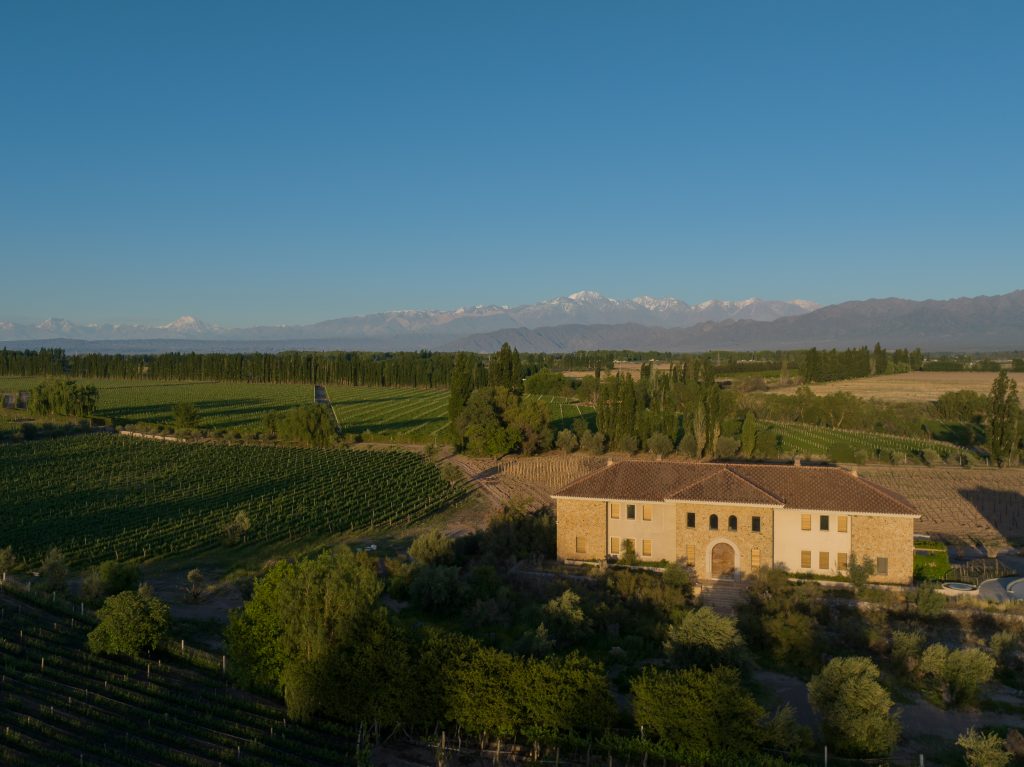
Since its founding in 2004, Bodegas Krontiras has long stood as a unique figure in the Mendoza wine scene. Certainly, it has some of the hallmarks of ‘classic’ Mendoza wine: it owns vineyards in the well-regarded, high-altitude sub-region of Luján de Cuyo and is known for its lauded Malbecs.
Yet the winery has its idiosyncrasies. The name, as you might guess, is not from Argentina. In fact, the winery is a joining of two cultures: founders Constantinos and Silvina Krontiras come from Greece and Argentina respectively. Thus, although expressing Argentine terroir is the winery’s raison d’être, there is still a signature Hellenic bent to its work.
The winery is also noteworthy for its sustainable production. It was a trailblazer in Mendoza, becoming the first operation to make wine from its own certified-organic grapes in its own certified-organic winery. To this day, as the topics of soil health and biodiversity increasingly demand winemakers’ attention, it is an evolving project.
To understand its unique position in Argentina’s wine scene, db spoke with three of its most important figures: Maricruz Antolin, the winemaker and agronomist who has managed the estate since 2008; Panos Zoumboulis, the Greek consultant winemaker who brought biodynamics to the estate; and Spyros Zoumboulis, Panos’ son who continue – with his father – to advise Bodegas Krontiras.
What’s the appeal of working in Mendoza?
Maricruz Antolin: The main appeal of working in Mendoza is the different expressions of the same variety within a small distance. The micro-regions of Mendoza are all really varied.
Spyros Zoumboulis: Mendoza is an exceptional place to make wine. The combination of high altitude, intense sunlight, and low humidity gives us grapes of extraordinary quality. And because many vineyards are ungrafted, we get a purity of expression that’s increasingly rare.
But what truly makes Mendoza inspiring is its energy. It’s a land of pioneers—a place where ideas can take root. For us, it’s not just a region, it’s a living canvas where we’ve been able to bring a vision to life from the ground up.
Why did the winery choose to pursue organic and biodynamic viticulture?
Panos Zoumboulis: We saw it as the only path forward. From the very beginning, our goal was to make wines that express their place with honesty and vitality. And that can only happen if the vineyard is alive, balanced and healthy. Organic farming was the starting point. Biodynamics helped us go deeper – seeing the vineyard not as a machine to control, but rather as an organism to understand.
Working this way doesn’t just improve quality. It strengthens the relationship between people, plants, animals, and soil. And that relationship is the foundation of everything we believe in. We are proud to be the first winery in Mendoza to certify both vineyards and winery with Demeter in 2012 – and to have maintained the certification ever since. In fact, we remain the only winery in Mendoza that has been built entirely according to biodynamic principles.
Maricruz Antolin: We have always worked in an organic and biodynamic way since the very beginning. We believe that it is the only way to express the sense of place.
What are the benefits and challenges of working organically in Mendoza?
Maricruz Antolin: We grow grapes in a desert climate, so the appearance of diseases is very low. But the challenge is to increase the fertility of the naturally poor soils. In terms of winemaking, we normally work with very healthy grapes; the biggest challenge is actually maintaining the natural acidity.
Spyros Zoumboulis: The climate in Mendoza is actually favorable for organic farming. The dry air and strong sun help prevent disease, so you’re already one step ahead.
But working biodynamically means you go beyond simply avoiding chemicals. You need to observe constantly, adapt quickly, and think holistically. It’s demanding, but the reward is huge. Over time, we’ve created a vineyard that breathes naturally: where biodiversity flourishes, the soil is alive, and the vines are resilient.
What character does that sustainable approach bring to the wines?
Maricruz Antolin: When you work like this the wine tells the story of what happened during the growing season, like a snapshot.
Panos Zoumboulis: It brings truth. That’s the best way to describe it. You taste the grape variety, the soil, the vintage – without distortion. Biodynamic farming amplifies the purity and energy of the fruit. Our wines have a vibrancy and texture that you don’t get when a vineyard is pushed or manipulated. There’s a kind of natural elegance that comes through. Nothing forced – just the quiet intensity of a place that’s allowed to speak for itself.
How do you pursue sustainability beyond the vineyard?
Spyros Zoumboulis: In the winery, we keep things as low-intervention as possible. We work with native yeasts, avoid additives and let the wines evolve naturally. But sustainability also means thinking long-term – reducing energy and water use, supporting the local community and keeping our packaging and processes as responsible as we possibly can.
Sustainability, for us, is not a checklist—it’s a mindset. It means taking without depleting. And that applies to everything we do, not just in the vineyard.
Maricruz Antolin: Talking about the winery, it was designed to keep it cool by building it under ground. Also, we produce 40% of the energy that we use during the whole year through solar panels. To treat the winery effluents, we have a biofilter, that filters the water to be reused to grow grass which feeds our animals and the organic material retained at the filter is transformed into humus by earthworms, that we will use to fertilize the vineyard.
How does the winery’s dual heritage impact your work?
Maricruz Antolin: I combine the experience of the old world with the freshness of the new world.
Spyros Zoumboulis: Our dual heritage is at the core of everything we do. On one hand, there’s the Argentinian land – pure, powerful, and generous. On the other, there’s our Greek background, which brings a long tradition of winemaking and a deep cultural respect for nature and balance. That fusion shapes both our philosophy and our decisions in the vineyard and winery.
Why did you choose to structure your range of wines around the stages of life?
Maricruz Antolin: It is how we understand the different expressions.
The miKron range includes young, playful and fresh wines expressing the purity of our terroir. miKron in Greek means small, so this range represents childhood for us.
Our Natural range includes 4 red varieties with minimum intervention and no added sulfites (Malbec, Aglianico, Petit Verdot and Tempranillo), our Cosmic Amber (a skin contact blend of Sauvignon Blanc, Torrontes and Chardonnay) and our Afron Pet Nat (a blend of Syrah, Tempranillo and Criolla). These are our ‘adolescent’ wines, spontaneous and free of restrictions.
When we enter adulthood, we start exploring life. In our Explore range we explore how time flows through wood and wine by different ways of fermenting and ageing. Our aim is to strike a balance between fruit and oak, as in life, between adventure and experience.
Our Wisdom Malbec represents the elder age, combining the wisdom of our 120-year-old vineyard in Lunlunta, Lujan de Cuyo, and the experience of our consultant winemaker, Panos Zoumboulis.
Why do you work with varieties not traditionally seen in Argentina?
Panos Zoumboulis: We’ve always been curious about what Mendoza can express beyond the classics. In 2005, we planted Petit Verdot – a bold choice at the time. But the real surprise came in 2015, when we planted Aglianico.
Why Aglianico? First, because of its Greek roots – it felt like bringing a part of our heritage into the project. But more than that, it’s a variety with extraordinary freshness and structure, even in a warm climate. Its natural acidity and vibrant citrus aromas give it a character unlike anything else in the region. It’s a wine that tells both a personal and geographical story.
Which wine would you recommend as an introduction to Bodegas Krontiras?
Panos Zoumboulis: If you want to understand what we stand for, I’d suggest starting with the Malbec Natural. It’s made without any additions – from harvest to bottling – and shows the raw, vibrant energy of our vineyard. No filters, no makeup – the wine is just grape and place.
Maricruz Antolin: I would agree – I believe that the Krontiras Natural range is the best representation of our beliefs. We are convinced that working without added sulfites is the only way to talk about terroir.
Patrick Schmitt MW provides his tasting note for the wine below.
Krontiras Malbec Natural 2025
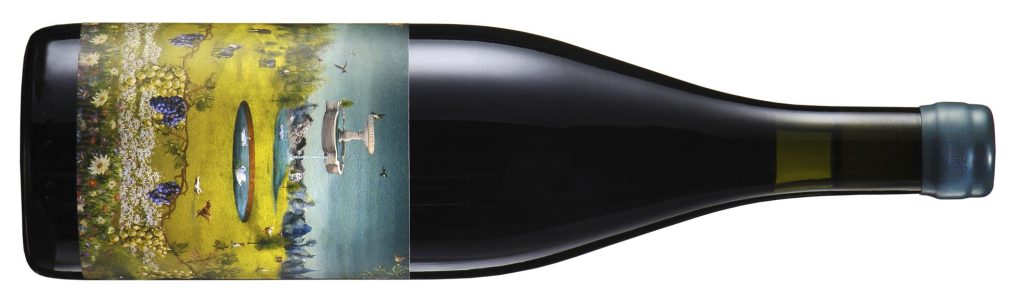
- Winery: Bodegas Krontiras
- Country: Argentina
- Region: Luján de Cuyo, Mendoza
- ABV: 13.5%
- RRP: £18P
- Grape variety: 100% Malbec
A bright ruby red with medium intensity and a youthful purple glint. The nose is inviting and creamy, showing ripe forest fruits with a yoghurt-like character. The palate is smooth and medium-bodied, opening with ripe raspberry and cherry syrup, supported by notes of liquorice, dried herbs, nettle, and a touch of sour cherry. A dusting of grainy, mouth-coating tannins adds grip, while cranberry and a subtle green apple note lend freshness to the finish. There’s a gentle warmth but no heaviness – just fleshy, lifted fruit and a clean, pure style. Persistent, layered, and refreshing, this is a lip-smacking, lighter red with a firm, structured finish.
Follow @krontiraswines or find out more at krontiraswines.com
Related news
Summer brings trend-setting IGP Méditerranée
Auction update: Can the Loire compete with Burgundy?
Champagne-baiting English wine brand invites public investment


