



And they’re off! Napa 2025 harvest gets underway
Winemakers in Napa Valley are hoping they will see “three amazing vintages back-to-back” as picking gets underway following “one of the coolest summers in recent memory”. But can the region claw back volumes from last year’s record low?
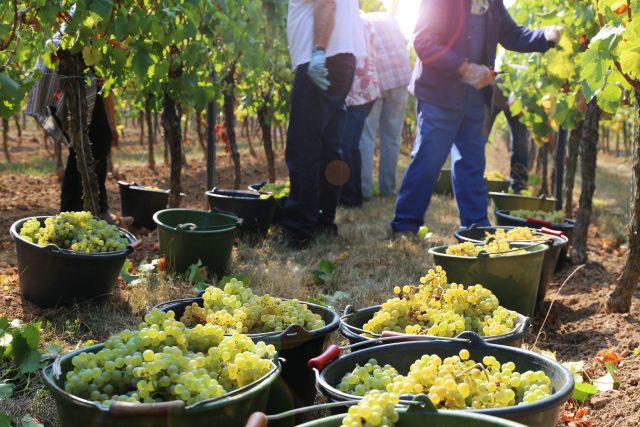
According to Napa Valley Vintners (NVV), grapes began making their way to crush pads in earnest last week, signalling the start of Napa’s 2025 harvest.
Mumm Napa was one of the first producers to pick, harvesting Pinot Noir from Yountville on 8 August. Also kicking off on the 8th was Round Pond Estate with its Chardonnay grapes from Rutherford. Both wineries intend to use the grapes for sparkling wines.
“We couldn’t be more excited for how the 2025 vintage is taking shape. We’ve had ideal growing conditions this summer, setting our vineyard and grapes up for success,” said Round Pond winemaker Jeffrey Plant.
“We’re hoping that Napa Valley will have three amazing vintages back to back to back. Fingers crossed!”
Pinot Noir and Pinot Grigio
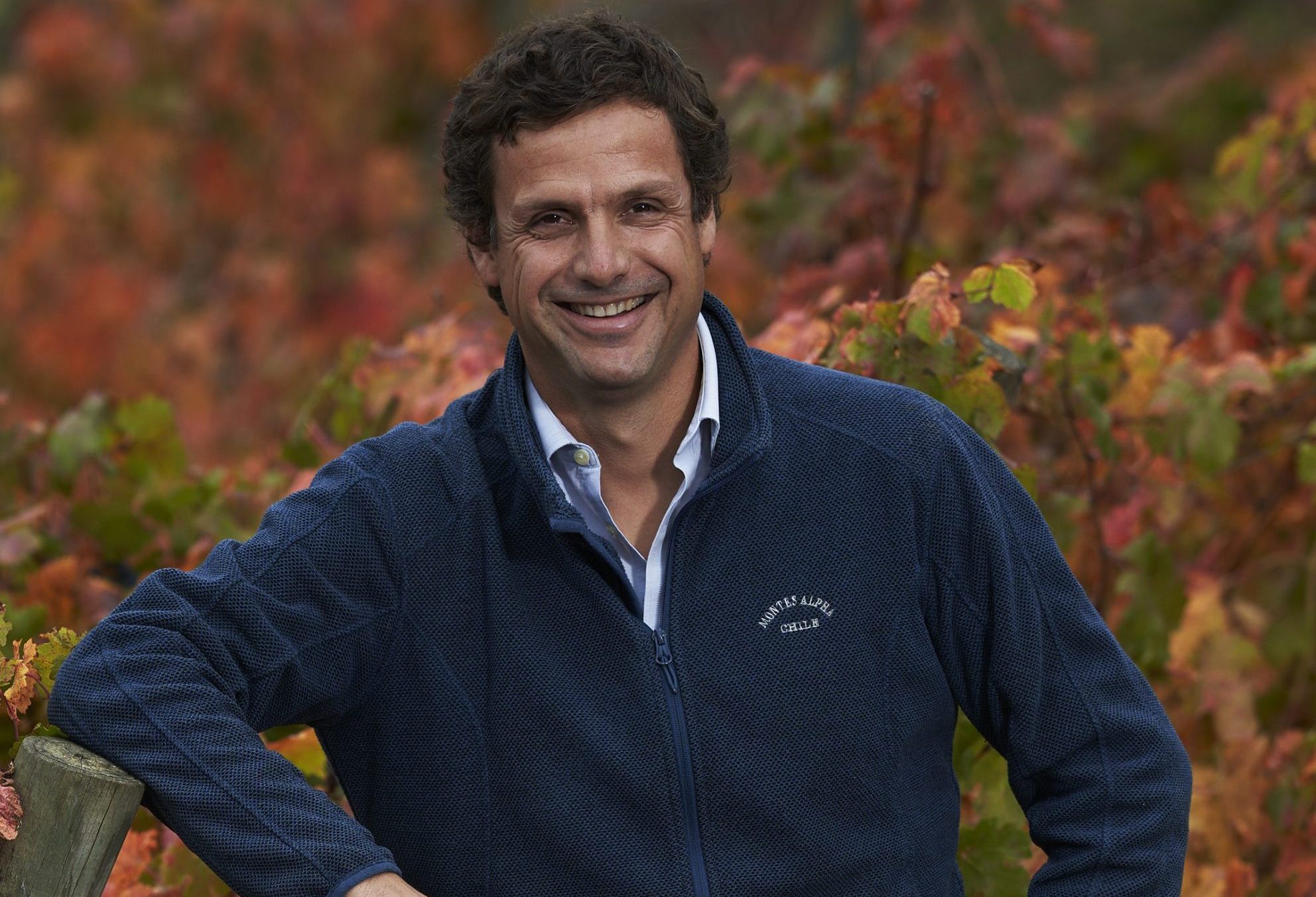
On 11 August, Truchard Vineyard in Carneros picked five tons of Pinot Noir, with the early harvest date helping to facilitate naturally low-alcohol rosé wines for The Vice, which makes wine from 15 of Napa’s 16 wine regions. Founder and winemaker Malek Amrani, who previously held sales positions with Moet Hennessy and Diageo, said he is anticipating “crisp and pure” 2025 wines.
Meanwhile, Benessere Vineyards, which specialises in Italian varieties, got underway with Pinot Grigio in St. Helena on 12 August.
“Pinot Grigio does tend to ripen early, but this is the first time it’s come in before 15 August,” said Benessere winemaker Matt Reid. “I sampled it last week and knew it was time to get going. The grapes/juice are just where I want them. It tastes amazing.”
Calling the 2025 vintage “all I could ask for”, Reid added that “ample rainfall before budbreak, followed by great weather at budbreak and bloom, with a mild summer, means we have even ripening of a good-size crop. I’m really excited for the 2025 wines.”
Sauvignon Blanc was also harvested last week (week beginning 11 August), with producers Inglenook and St. Supéry Estate Vineyards & Winery both getting going. Blackbird Vineyards is also expected to harvest around 10 tons of Rutherford Sauvignon Blanc this week.
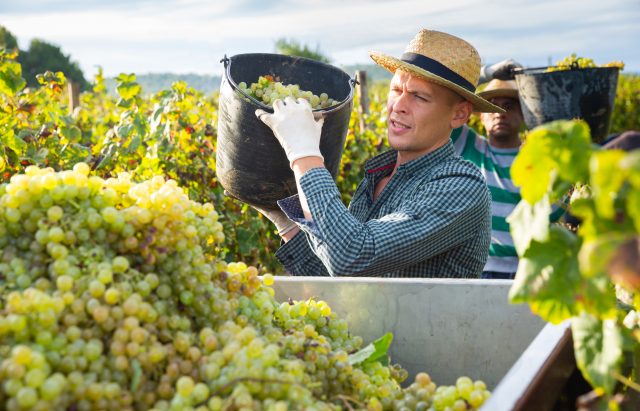
Hallmark of the vintage
Vintage 2025 is being lauded across Napa Valley for its unusual coolness, which winemakers hope will lead to exceptional wines.
“The cool summer has been the hallmark of the vintage,” said Aaron Pott, winemaker at Blackbird Vineyards and Pott Wines.
“The cold Pacific Ocean has brought the marine layer inland and ‘Carl the Fog’ has dominated the valley the entire summer,” he explained. “This year, its influence has been strong. It is the coldest summer since 1999, so we will party like it is 1999.”
Echoing Pott’s views, Inglenook winemaker Jonathan Tyer hailed 2025 for being “one of the coolest summers in recent memory”. Consequently, the vines have enjoyed “a graceful, unhurried ripening,” he said.
Picking for Viognier is expected to start by mid-September, with early-ripening reds to follow towards the third week of September, estimates Pott.
Slim pickings or “apocalyptic amounts of fruit”?
While the quality looks to be excellent for Napa’s 2025 vintage, distributors will be keeping a close eye on volumes.
Last year saw the smallest grape crush in California for 20 years, according to the US Department of Agriculture. The state’s total combined red and white grape crush for 2024 was 2.844 million tonnes, down from 3.685 million tonnes in 2023, representing a depletion of 24%.
Partner Content
In Napa Valley, specifically, the red grape harvest was down 16.5% and the white harvest down 15.5% in 2024.
Earlier this year, Natalie Collins, president of the California Association of Grape Growers, said that she expected California to have an even smaller crush in 2025. However, early indicators suggest that California’s 2025 volumes may in fact be up 10%-15% on 2024, enabling inventories to be replenished. That said, increased yields might not exactly be a boon.
One unnamed Napa winemaker has revealed that some well-known wineries are trying to “back out of large portions of their grape contracts”, and said that there will be an “apocalyptic” amount of fruit dropped or left hanging this harvest.
Additionally, Adam Sabelli-Frisch, owner and winemaker of Californian producer Sabelli-Frisch wrote on a Wineberserkers community thread that the cost of using crush facilities meant that even “free fruit” was prohibitively expensive to process.
“I’ve been offered so much fruit for pennies on the dollar already, but when you’re in a custom crush facility and pay through the nose for each ton that darken their doorstep, it’s just not possible to take it on even if free,” he wrote. “If I had my own facility, then it would be much easier. It’d just be the time, transport and barrel costs (at least initially) then.”
Sabelli-Frisch works with growers and farmers across California to make its wines.
Live yield feedback
“Speaking to the drinks business Napa Valley Vinters said that 2025 harvest yields are looking “as varied as the topography of Napa itself”.
“Indeed, Inglenook winemaker Jonathan Tyer tells db: “We’re still fine-tuning our estimates, but it’s already clear that this will be our highest tons-per-acre since 2019. Yields have increased steadily each year since 2021, and this season looks to continue that trend.”
“At Benessere 2025 yields are “comparable to 2024, average to slightly above average,” says Matt Reid.
“Meanwhile, Aaron Pott of Blackbird Vineyards and Pott Wine has seen “slightly lower cluster weights this year due to cool weather at flowering.”
“Ultimately, the final numbers may come down to rainfall in the coming weeks.
“The biggest factor influencing final yield might be rainfall,” says The Vice’s Malek Amrani. “If the rains hold off until November, and we continue to see steady phenolic development without major heatwaves, then 2025 could very well turn out to be another abundant harvest.”
Cabernet Franc controversy
How can Napa winemakers maximise sales revenue to balance the sky-high costs of growing and harvesting grapes? According to Napa wine strategist Loren Costillo, the answer might lie in Cabernet Franc.
“Cabernet Franc has emerged as the premium variety, commanding US$10,633 per ton in Napa compared to $9,235 for Cabernet Sauvignon,” he wrote in a LinkedIn post. “This $1,398 premium reflects a growing demand for this previously overlooked grape.
“Riesling also commands a premium price of $8,500 per ton, signalling consumer interest in white wines and lower-alcohol options.”
As db previously reported, Cabernet Franc’s acreage in Napa is not high, but it is slowly growing. Currently, there are 1,260 acres (509ha) under vine compared with 1,165 acres (471ha) under vine in 2013, according to the annual Napa County crop report.
Not all are convinced that Cabernet Franc has the potential to become Napa’s most lucrative grape in the long-term. Jay James, master sommelier and president of Benchmark Wine Group, a leading source of rare and collectible wines for retailers, restaurants and collectors, cautions that “there are just a few locations in Napa that are exceptionally well-suited for growing Cabernet Franc. That drives scarcity and the price of top-level Cabernet Franc fruit in Napa.
“It is of interest to well-versed collectors, but I do not believe there is a powerful demand to specifically collect Cabernet Franc.”
Related news
Calmére Estate sale signals renewed investor confidence in Napa Valley


