



Alto Agrelo gains GI status in Mendoza
Alto Agrelo has officially become Argentina’s latest Geographical Indication (GI), following a successful campaign by Grupo Avinea in May 2025.
Fifth GI in Luján de Cuyo
The designation confirms Alto Agrelo as the fifth GI within Mendoza’s Luján de Cuyo department, joining Agrelo, Las Compuertas, Luján de Cuyo, and Vistalba.
Grupo Avinea led the campaign for recognition, submitting a full technical dossier to the INV. The documentation outlined the unique characteristics that set Alto Agrelo apart as a distinct winegrowing region.
“This new recognition allows us to reinforce Alto Agrelo’s position as a distinctive origin, with a unique identity and great potential to compete in the most demanding markets,” said José Verdaguer, agricultural manager at Grupo Avinea.
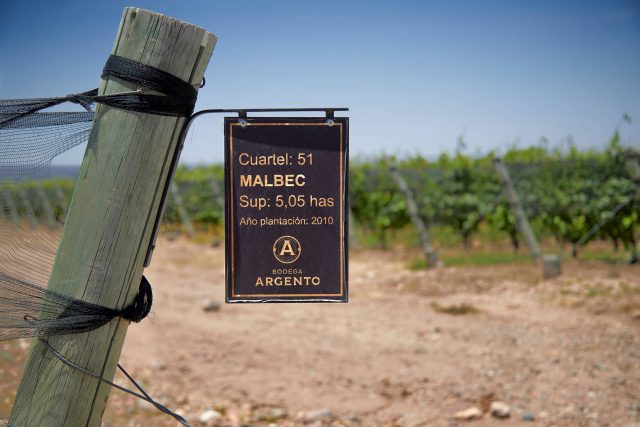
Grupo Avinea owns a 232-hectare certified organic vineyard in Alto Agrelo, which serves as its flagship estate. The site is home to wines including Argento Estate Bottled Organic Malbec and Artesano de Argento Organic Malbec.
db finds out more in a Q&A with José Verdaguer, agricultural manager at Grupo Avinea.
Building identity, boosting perception
How does this designation fit into the larger movement to refine and promote sub-regional identity within Mendoza?
“The recognition of Alto Agrelo as a Geographical Indication builds on Mendoza’s long-standing effort to highlight and communicate the unique character of its subregions. This milestone further elevates the viticultural identity of Luján de Cuyo, showcasing the distinctive value of its micro-terroirs and enabling producers and consumers to identify the precise origin of its wines with greater clarity.”
How do you expect GI status to impact the perception of Alto Agrelo wines in export markets?
Partner Content


“In international markets, certified origin is an increasingly important factor for both consumers and wine professionals. The Alto Agrelo GI will strengthen perceptions of quality and authenticity, aligning the region with other prestigious Argentine origins and providing a powerful tool to position our wines in premium segments. As the highest-altitude GI within Luján de Cuyo, Alto Agrelo offers a distinctive expression that sets it apart and further enhances its prestige. The unique characteristics contributed by each subregion are becoming ever more relevant, making them a key element in how wines are valued, appreciated, and chosen.”
What role did sustainability and organic certification play in building the case for GI recognition?
“The fact that our flagship estate in Alto Agrelo —232 hectares of certified organic vineyards— leads sustainable wine production in the region brought a distinctive element to the project. Sustainability and organic viticulture are not only integral to our production philosophy, but also play a key role in preserving and enhancing the natural characteristics that define Alto Agrelo as a truly unique terroir.”
Are there any plans to develop a growers’ association or regulatory body specifically for Alto Agrelo to manage and protect the GI?
“Once the GI has been established, the natural next step is to begin working more closely with the producers within the defined area. There are many ways we can support each other before formally creating an official body.”
Are consumers becoming more interested in specific Argentinian sub-regions, and how can GI status help educate them?
“Yes, there is a growing trend toward seeking wines with a clearly defined sense of origin. GI status allows us to clearly communicate the distinctive characteristics of Alto Agrelo and how it stands apart from other regions. This not only enriches the consumer experience but also strengthens the cultural and commercial value of our wines both in Argentina and abroad.”
A map outlining the new Geographical Indication can be viewed here.
Related news


