



What makes a lager truly great?
Lager provokes strong opinions in the beer world – but, technically, what makes one any more enticing than another? Jessica Mason finds out.
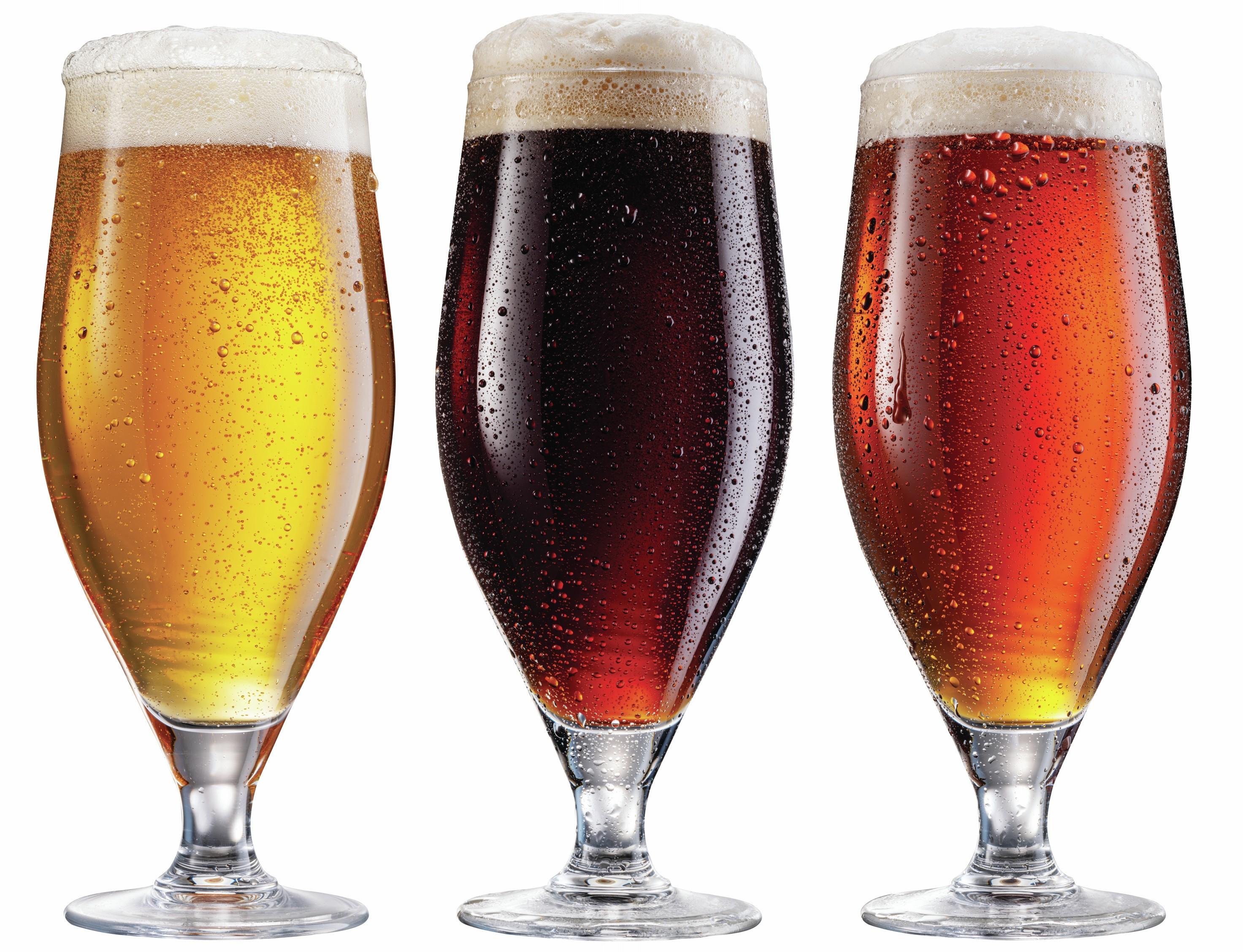
Lager is not just one style of beer. It is not just pale and fizzy. Nor is all of it always made in the same way. There are many different sub-styles of lager. But not all lagers are created equal. Some are pale as straw or amber; others are red or dark as mahogany.
You’d be forgiven for thinking, especially in the UK perhaps, that all lagers came in fizzy yellow pints to be paired with the sounds of Underworld’s Born Slippy. Or that lager was something fairly standard as a drink for just the “lads, lads, lads”. Let’s change everyone’s minds, shall we? Lager may well be where most people start. But they do migrate to other styles and, when they return to lager, hopefully, they can discern the ersatz from the good stuff.
Great lagers are brewed with patience
“The key is not losing sight of what makes lager so universally loved – it should be approachable… crisp and refreshing,” says Robert Beck, director of brewing and production at Yorkshire-based Vocation Brewery.
But don’t be fooled into thinking that brewing an easy-drinking style is easy. In fact, as US-based Montucky Cold Snacks owner and co-founder Chad Zeitner asserts: “It is one of the hardest beers to brew. Keeping the profile simple, clean and consistent is key.”
Known widely for its popular Keller Pils, Bristol’s Lost & Grounded cofounder Alex Troncoso also points out that there are other factors to consider, such as “the choice of ingredients… the way the water is treated, brewing techniques, as well as fermentation and lagering procedures, and, of course, time”. Each plays their part because, as he says: “In the end, we are after a beer that is relatively subtle, but has character, which is a difficult balance to achieve.”
Highlighting the process, Wrexham Lager Beer Co operations manager Tom Cottrill explains: “Of course, ‘lager’ literally translates as ‘storage’,” and notes that, if this was taken into consideration more, we would look for more transparency from brewers.
The interplay between ingredients, temperature, time and process is fundamental to lagers with quality. Devon-based Utopian Brewing cofounder and managing director Richard Archer says that great lagers are made with “patience”, and adds: “Slow, gentle fermentation is critical, and low temperatures make things go more slowly. Add in a good slug of cold conditioning at the end and you will be disappointed if you hoped you could make great lager in a hurry.”
Decoction
Added to this, Archer insists that “lager brewing with techniques like decoction and step mash [removing some of the mash, boiling it and reintroducing it again at intervals, or incorporating a range of temperature rests to the mash] can help to develop massive flavour from the malt too, which in turn creates a whole new interest level for the drinker”. Such techniques are still sometimes used by lager brewers since they are purported to result in a high attenuation, a smooth mouthfeel and a cleaner finish, although some would argue that this process is not completely necessary – not if a brewery is already revered based on having all of the hallmarks of provenance and has been sporting its quality credentials proudly for many years.
Matthew Stout, head of beer at Manchester-based Morgenrot, suggests that, when researching beer companies, people should look for “a renowned history of its brewing past, or a set up with the foremost criteria being quality”, adding that this often means looking for a lager “from its own country of origin”, created “using the best ingredients available” and “made respecting traditional, time-served methods”.
For bigger breweries, there is also the benefit of brewing being a very controlled process, especially when it comes to closing the supply loop. For example, Damm’s head of international business Juan González reveals: “We have 18 production facilities, but also malting plants. The malting plants are very important because the malts that we use in our products begin at those, so we control the quality”.
Nuance and authenticity
What does a beer aficionado want, though? And how might a brewery go about attracting this kind of consumer? Andy Nowlan, head of marketing at Reading-based Siren Craft Brew, suggests “an idea of provenance and authenticity will be important to a beer fan”, as well as “some confidence that the brewery shares their values”, but also observes how “in the drink itself, a freshness in profile [and] distinct layers of flavour and aroma” are also crucial, so you can become “lost in the delicious nuances”.
Not alienating the lager category’s core audience is also key, and Mike Gammell, co-founder of Edinburgh-based Days Brewing, agrees that “all drinkers look for refreshment and drinkability”, so, although “a beer fan looks at things like clarity, mouthfeel, head retention and how well the flavour profile holds up from first sip to last”, lager’s core drinker is looking for something accessible, but still “values quality”.
Vocation Brewery marketing manager Chris Mitchell says: “Looking ahead, the big opportunity lies in connecting with younger drinkers. They’re more selective and are looking for brands with authenticity, character and a clear point of view. The brands that will grow are the ones that can build that emotional connection and offer something that feels genuinely worth trading up for.” Stout at Morgenrot reminds us that “for many drinkers, the indifference – blandness associated with dominant lager brands – results in authentic lagers being under-explored”. But, as Archer at Utopian states: “There’s an increasing acceptance among the indie beer community of what great lager is.” He also suggests that this will surely help move things in the right direction.
Faultless in production, generous with maturation time
Sometimes, when a drink is easy-drinking, it can be misconstrued for being simple in its inception. At Days, Gammell reiterates that “lager is one of the most technically demanding beer styles to brew. Its simplicity leaves nowhere to hide”. He admits: “When it’s done well, it’s unbeatable – crisp, clean and refreshing. But when short cuts are taken in ingredients and process, it shows.” Ask Siren’s Nowlan and he’ll tell you that, to make a great lager, “you have to be faultless in production and generous with maturation time”. And yet, as Archer points out, it is all about precision too, because “clean, low-temperature fermentation and lower hopping rates mean there is nothing to mask any ‘off flavours’, particularly diacetyl”.
But how does mainstream lager find its place among all of this? By positioning brands and boosting their marketing alongside the trends. As Nowlan explains: “Brand loyalty is such that macro lager brands can be supported like people support their favourite sports teams or bands. New or evolving macro lager brands can be cleverly positioned, well researched and well-backed financially.” This means that “the marketing efforts can often reach their desired customer bases, which don’t necessarily have the same tastes as each other, even if the lagers may be brewed in the same facilities”. But there’s an audience for this too. Marketing and meeting expectations is part of the goal for any lager of merit.
Asahi UK marketing director Rob Hobart tells db: “There’s a lot that goes into making a market-leading lager. Of course, you need a great-tasting drink that reliably delivers for consumers every time, but you also need brands that genuinely resonate with their target market. The perception of a lager often comes down to its ability to consistently meet these expectations and connect with drinkers on a deeper level.”
Lager’s diversity and the potential it holds
Never underestimate a lager’s route to market. After all, hospitality has an enormous sway over how well one brand sells over another. Gammell from Days highlights how “hospitality is where beer comes alive – the serve, the setting and that amazing social context you can only really get in a pub, bar, or restaurant. For lager, it’s a chance to show how good the style can be when served properly: cold, fresh and ideally in the right glassware”.
Hobart believes “there’s a real benefit for outlets that can encourage their consumers onto premium drinks. Premium-plus lager now commands £5.57 per pint on average, vs £4.73 for mainstream draught lager – a difference of 17%.”
At Damm, González Gil insists that “gastronomy is also very important to super-premium beer”, explaining: “We are very linked to gastronomy.” He adds: “We partner with many of the top chefs in the world and we always have ambassadors at a local level … in fact, we are present in more than 17 Michelin restaurants.”
The beer sector does have a job to do, however, in not only upholding lager in all its premium glory, but also in educating drinkers and working with operators and retailers to showcase its diversity. Brits are often remiss for thinking that lager represents just one thing, when in reality we are dealing with more than 20 styles globally, with each offering something different in the glass.
As Archer at Utopian says: “In terms of broadening awareness of the huge array of great lager styles available, there is a long way to go. I think it’s just so easy to put a macro-brand lager tap on and it will fill the till with cash, so it’s hard to convince landlords they should try a dunkel or a rotbier. We keep chipping away, and the other positive thing here is that a rapidly increasing number of indie breweries are now brewing lagers, and the nature of those breweries is they thrive on brewing a variety of beer styles. “If more and more indies are brewing more and more lager styles, then hopefully, slowly, more taprooms will be pouring them, and eventually the consumer demand will get picked up by the publicans and big pub groups.”
Where the supermarkets stumble
It is a similar story on the shelves of the supermarkets, says Siren’s Nowlan, who notes that “lager in the supermarkets is so often a conversation around price point”, and admits: “It’s pretty scary to see deals available cheaper than we can make our lagers.” He adds: “Quality is also somewhat subjective, as you could argue some of the lagers available may have been produced with long shelf life as a priority,” – but this needs to change, or the consumer needs to be made aware of this, or they will always assume they are comparing like with like.
But, as Nowlan muses, there are some positive elements to how lager is consumed, and it’s not all about volume and price. Instead, he points out that a love of lager is not just a global phenomenon, but it’s also cyclical too. It is the beer we often return to again and again.
He adds: “Drinkers will go on a journey from their first lager to all kinds of weird and wonderful imperial stouts, barrel-aged barley wines and pastry sours – and end up back craving a clean, fresh lager.”
This is where we begin, and also a place to revisit each time we learn more. Lager will become revered, eventually, as long as everyone takes the time to complete the journey and give it some thought along the way.
Related news
Brewdog to be bought by Tilray Brands in £33 million deal
Whisky sales outpace beer at South Korea’s biggest supermarket chain


