



Texas couple die in wine cellar dry ice accident
A couple was found dead in their wine cellar last week following “a hazardous material incident” with dry ice, said Houston police.
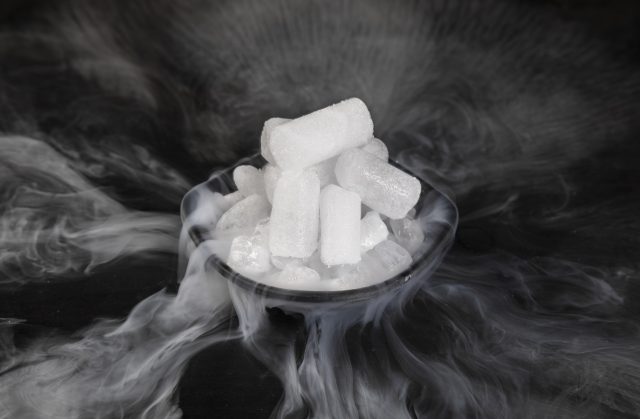
An unnamed couple were found dead in their wine cellar on Friday 4 July after being overcome by a “chemical reaction” caused by dry ice.
The couple, who lived in River Oaks, Houston, had been preparing to entertain guests at a party they were throwing for Independence Day when the incident took place.
Police Lt. Larry Crowson told Houston TV news outlet Khou: “There was dry ice being stored in the wine cellar. When dry ice melts, it turns into carbon dioxide (gas). Unfortunately, it appears the two people who went into the wine cellar were overcome.”
Toxic potential
In its gaseous form, carbon dioxide can cause “serious injury or death”, according to the Centres for Disease Control, which also recommends always wearing safety goggles and insulated gloves when handling dry ice. Further guidelines include never storing dry ice “in a tightly sealed container” because as dry ice “changes from its frozen state to a gaseous state, it may cause an airtight container to expand and potentially explode.”
Firefighters attending the scene reported detecting “a chemical smell” and the scene was marked as “hazardous due to a chemical leak”. According to eye witness accounts the dry ice was being stored in 4- or 5-gallon buckets, and the carbon dioxide leak had caused the oxygen to be “pushed out” of the air.
Partner Content



Mixologist’s trick
Bartenders are upping the visual theatrics of their drinks in order to provide entertainment for guests and command higher prices. As db reported earlier this year in a list of the 10 most expensive cocktails in the world, high-end bars, hotels and clubs have long been in a race to claim the title of “World’s Most Expensive”.
One trick frequently used by mixologists is employing dry ice to lend a dramatic, smoky visual effect to cocktails, and to chill drinks rapidly due to its extremely low temperature (-78.5°C or -109.3°F), which is much colder than regular ice. However, only small, controlled amounts are used and dry ice in its solid form should never come into contact with lips or mouth.
According to the Diageo Bar Academy, using dry ice in pellet form means it can be dropped into drinks ,”where it sinks to the bottom and effervesces, creating rolling mists.” However, the academy cautions that “these techniques can be extremely dangerous to both bartenders and guests if not treated with appropriate caution.”
Because of the effervescence that it causes, dry ice can also add extra fizz to cocktails. “As dry ice sublimates, it creates carbonation in some beverages, adding a fizzy touch”, advises the academy.
Related news
VIK 2022: ‘the beginning of a journey toward self-sufficiency’


