



Spier proves why Stellenbosch is a hot spot for quality and value
With some of its award-winning wines retailing for just £10, db explores how Spier holds to its core principles regardless of price.
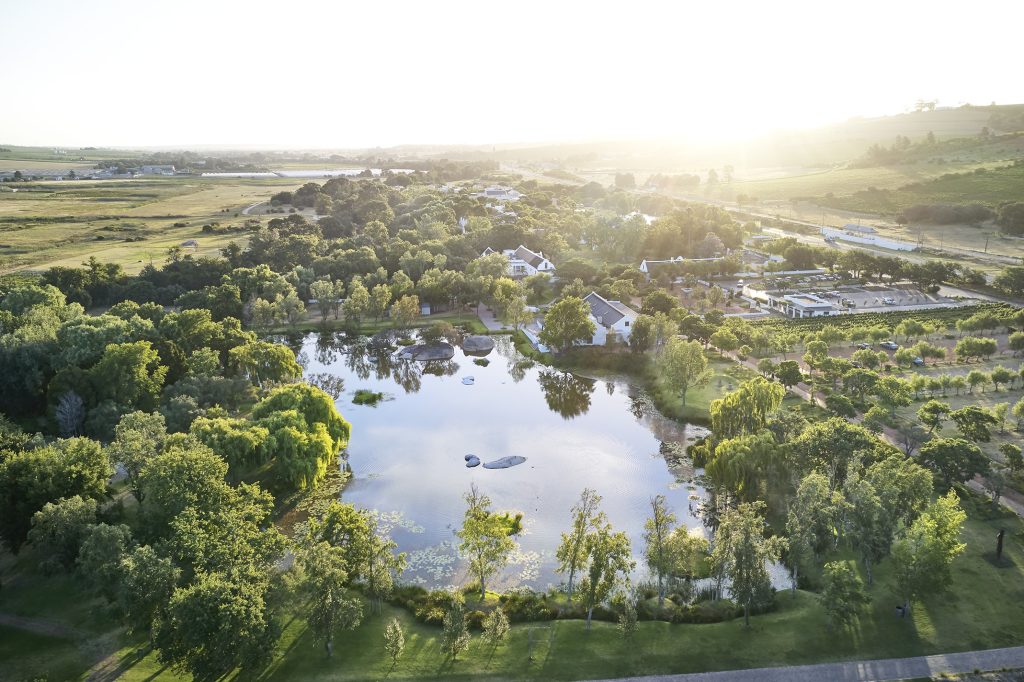
The wines of Spier, based in Stellenbosch, should be well known to readers of the drinks business. They have routinely taken top awards at our Global Wine Masters competitions, with their wines pitted against the world’s most prestigious – and frequently most expensive – bottlings.
This is especially true in The Global Chenin Blanc Masters. In the competition’s first year, in 2023, the winery achieved the impressive feat of securing two Master medals in a single competition. In 2024, cellarmaster Johan Jordaan went even further, with two Master medals. In The Master Winemaker 100, the competition series’ end-of-year round-up, he was awarded the prize for Best Chenin Blanc for the Spier 21 Gables Chenin Blanc.
Yet fine wine is not the only string to Spier’s bow. As its recent success in The Global Under £10 Masters demonstrates, the winery defines itself on quality rather than price.
Something for everyone
Key to understanding this selection is understanding the company’s ranges. These are not delineated simply by price, but rather by their distinct identities. Thus, whatever point of the price spectrum they sit at, they are wines without compromise.
The 21 Gables range, inspired by the winery’s heritage architecture, comprises single varietal expressions that pay tribute to South Africa’s winemaking history. The Creative Block Series, on the other hand, references both Spier’s long-term support of the arts and the creativity inherent in the blending process. The Seaward series, meanwhile, is defined by terroir: wines whose finesse tells the story of their coastal vineyards.
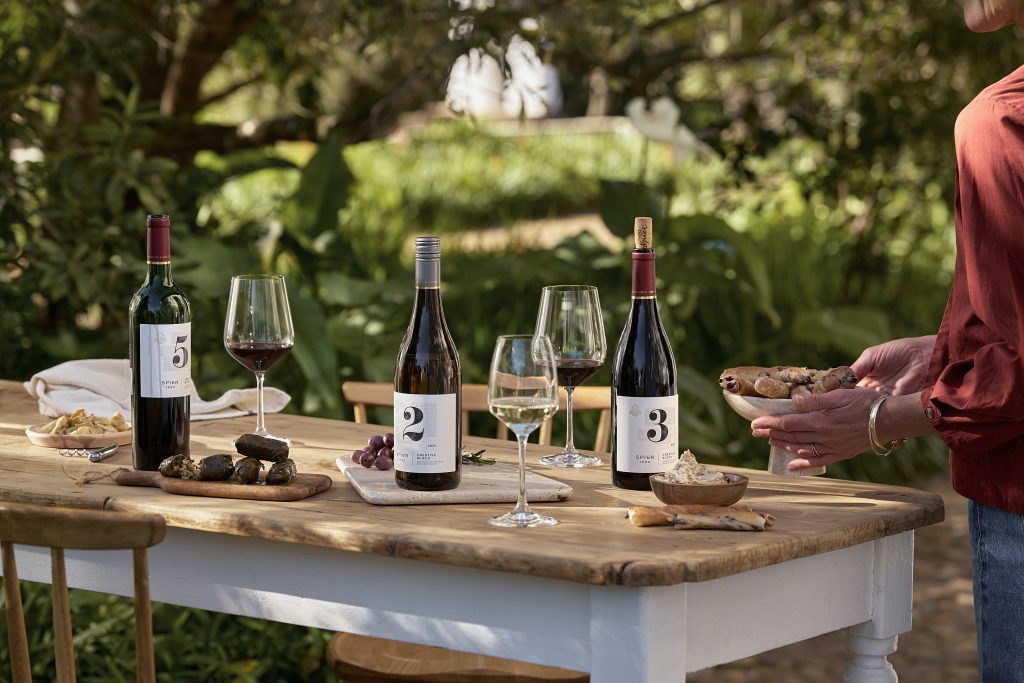
Spier Signature wines – the range responsible for this recent success – are the winery’s expertise and history distilled in an accessible range. Termed “as delicious as they are down to earth” by the company, they offer quality without pretension or a high price point.
Seven single varietal wines and two blends make up the range. Many of the usual suspects appear: Chenin Blanc, Shiraz and Pinotage, for instance. Ever-popular Sauvignon Blanc features too: it is Spier’s top performer and, indeed, the best-selling South African Sauvignon Blanc in its price bracket.
Things take a turn towards the niche, however, in the Spier Signature Albariño. There are just 34 hectares of the variety planted in South Africa, with Spier bottling its first wines – an experimental run – in 2020 before it joined the Signature range with the 2022 vintage. Although still an unusual proposition in the country, it shows great promise, maintaining its character and acidity even in dry, hot conditions.
The 2025 vintage, a slow and steady season, looks set to continue the winery’s strong record. With a cooler spring followed by a moderate summer, the grapes developed slowly, creating complex flavours without losing their freshness.
Fundamental principles
The success of Spier Signature wines demonstrates that great wine need not be the most expensive bottle. Instead of money, the guiding principles are sustainability and care. As Johan Jordaan, cellar master at Spier explains: “We look after the land, we look after our people, and the wine shows the results.”
The winery’s approach to sustainability is holistic. It cares for its own land, with a growing range of organic wines and initiatives to enrich its soils. The ecological concern also extends to a more global approach: the winery recycles 100% of its water and sends no waste to landfill, with work ongoing towards a net zero aligned emissions target by 2030.
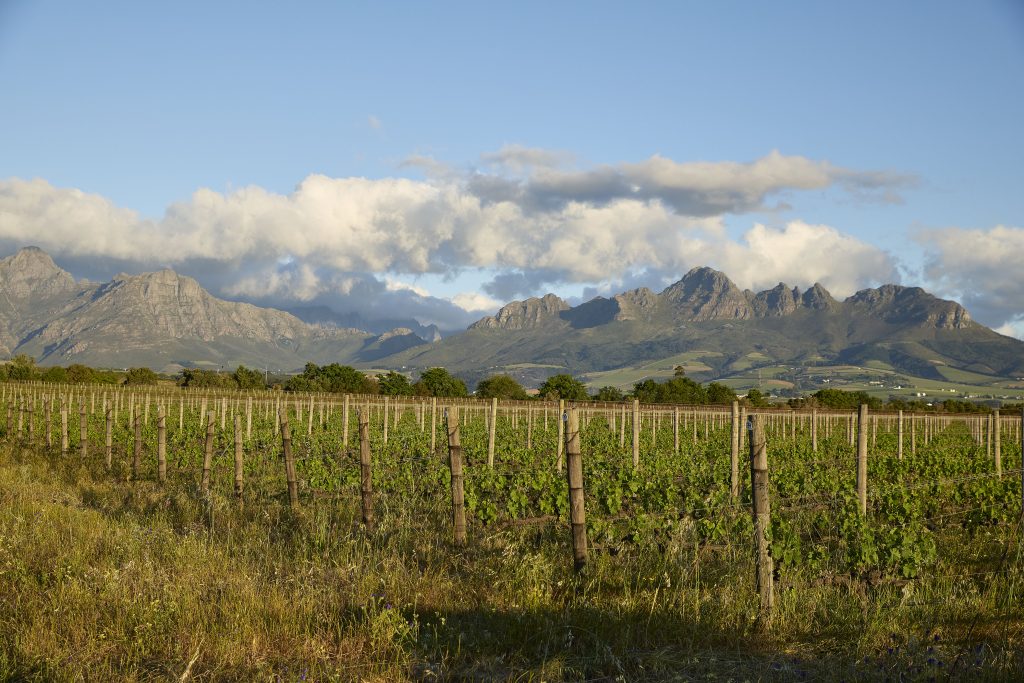
This commitment to meaningful impact is captured in Spier’s first-ever Collective Impact Report for 2024, which documents how its Growing for Good initiatives have touched 41,637 lives – proof that the winery’s care extends far beyond the vineyard to the broader community.
Sustainability likewise extends to care for its community, both direct and indirect. Spier supports a community learning farm and helps disadvantaged young people through youth employment schemes. It also supports creative talents through the Spier Arts Trust and hosts art events that are accessible for all.
Those twin threads of sustainability and care are strongly evidenced in Spier’s most substantial recent venture: a new hotel. This has reinvigorated its hospitality offering, with guests attended to in luxury. Along with its 80 rooms, the hotel has a rooftop bar, a heated pool and a dedicated spa. It offers all the care a guest could want for their getaway.
Yet, beneath the luxury, it is also prioritising sustainability for people and the land. The hotel is Fair Trade accredited and the gardens surrounding have been rewilded with indigenous species.
It is yet another demonstration that Spier’s commitment is not prestige, but rather to looking after its communities and its land. Whether in unpretentious wines or high-end bottlings, in grassroots initiatives or luxury hospitality, the tenets have remained the same. For a winery that trades on its bottles’ complexities, it is a refreshingly simple idea.
Below, our expert judges give their tasting notes for Spier’s range as tasted at The Global Under £10 Masters.
Spier Signature Sauvignon Blanc 2024
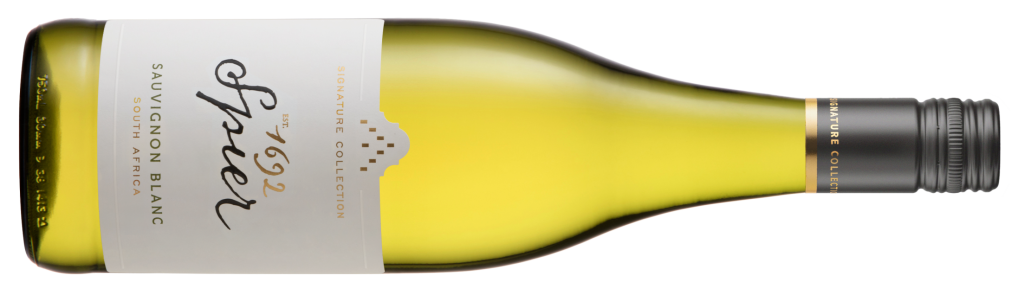
- Producer: Spier Wine Farm
- Region: Western Cape
- Country: South Africa
- Grape variety: 100% Sauvignon Blanc
- ABV: 13%
- Approx. retail price: £10
- Medal: Gold
Spier Wine Farm occupies a piece of land with a history spanning 7,000 years. Recognising its ancestors, Spier has taken sustainability to a whole new level. This delightful, affordable Sauvignon Blanc is just one result. Pale lemon-coloured, the wine shows greengage, passionfruit and white peach, with accents of lemon blossom, orange zest and subtle smoke. Very nearly dry, the palate is juicy and fresh, light-bodied with hints of white pepper and raw Jalapeño chilies. A surprisingly good pairing would be steamed globe artichokes with a dill-Dijon mustard mayonnaise. (Patricia Stefanowicz MW)
Spier Signature Albariño 2024
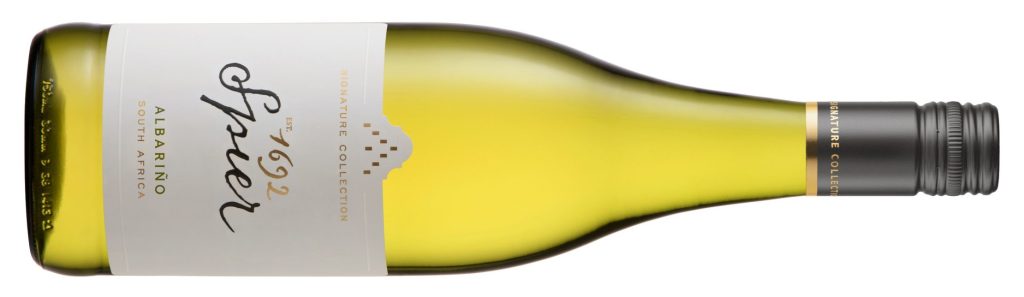
- Producer: Spier Wine Farm
- Region: Western Cape
- Country: South Africa
- Grape variety: 100% Albariño
- ABV: 13%
- Approx. retail price: £10
- Medal: Gold
Established by Arnoud Jansz in 1692, Spier Wine Farm has been owned by the Enthoven family since 1993, with goals to become more sustainable and inclusive. It can hardly be more inclusive than to include Albariño, the Spanish Galician grape variety. Produced from grapes grown on the southern slopes of the Bottelary Hills in Stellenbosch, the wine has a very pale lemon hue, with melon, grapefruit, pineapple and a kiss of honey. Just dry, the mid-weight palate flavours are framed by brisk acidity and accented by lemon zest and tangerine. A good partner is fresh scallops with garlic, baked in just wilted radicchio leaves. (Patricia Stefanowicz MW)
Spier Signature Chenin Blanc 2024
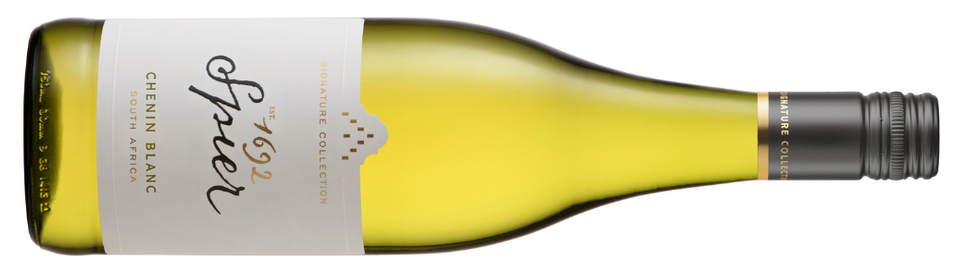
- Producer: Spier Wine Farm
- Region: Western Cape
- Country: South Africa
- Grape variety: 100% Chenin Blanc
- ABV: 13%
- Approx. retail price: £10
- Medal: Silver
A delicious unoaked white bursting with flavours of peach, pear and nectarine along with juicy grapefruit, and then some zesty lemon too, giving a mouth-watering edge to this fruity wine. (Patrick Schmitt MW)
Spier Signature Shiraz 2023
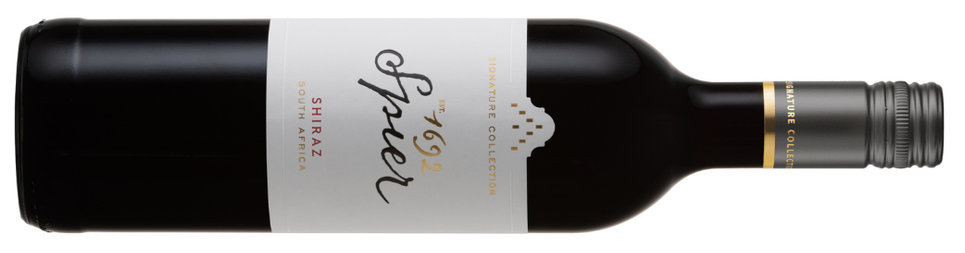
- Producer: Spier Wine Farm
- Region: Western Cape
- Country: South Africa
- Grape variety: 100% Shiraz
- ABV: 14%
- Approx. retail price: £10
- Medal: Silver
Rich in characters of sweet ripe fruit, from blackberry to cherry, coupled to notes of black pepper, thyme and a touch of vanilla pod, this Shiraz is brimming with appeal for £10. (Patrick Schmitt MW)
Spier Signature Pinotage 2023
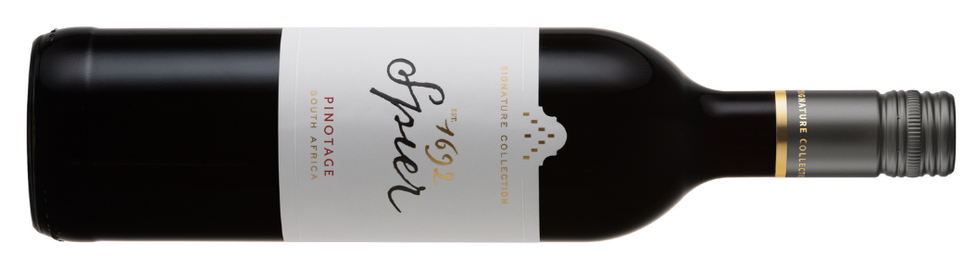
- Producer: Spier Wine Farm
- Region: Western Cape
- Country: South Africa
- Grape variety: 100% Pinotage
- ABV: 14%
- Approx. retail price: £10
- Medal: Silver
A medium-weight red with plenty of sweet plums and ripe cherry, complemented by a touch of creamy vanilla and a cinder-like note on the persistent, dry finish. (Patrick Schmitt MW)
Related news
VIK releases rare vertical of its iconic wines
Canadian MP moves to scrap law banning inter-province wine sales


