



One in four Irish pubs shut since 2005
A new report reveals that a quarter of Irish pubs have been forced to close their doors in the last 20 years, with Limerick hardest hit and a further 1,000 pubs at risk “without government intervention.”
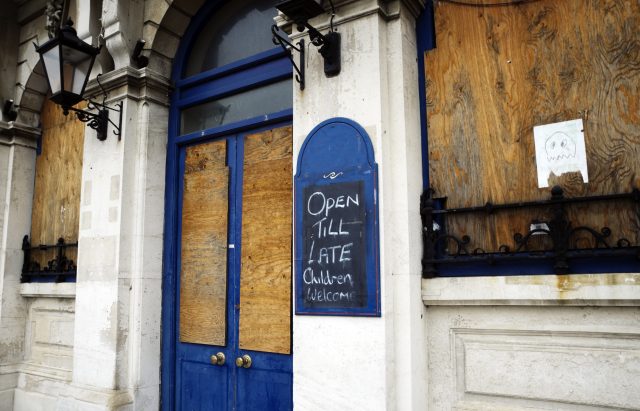
Irish publicans are calling for a slash in excise rates after new research revealed 2,000 pubs closed in Ireland in the last 20 years.
The study, commissioned by the Drinks Industry Group of Ireland (DIGI), forecast a bleak future for Irish pubs, particularly those in rural areas.
From 2005 to 2024, the number of licensed pubs in Ireland plummeted by more than a quarter, dropping from 8,617 pubs to 6,498.
Speaking to the drinks business, report author Anthony Foley, who is associate professor in economics at Dublin City University, said: “Both city and rural pubs face similar challenges in cost and consumer expectations.
“The city has access to large populations and good public transport but faces more competition for the entertainment spend.”
Limerick hardest hit
But he added that rural pubs battled unique problems such as competition with venues in larger towns, operational costs, transport issues and heightened regulation.
Across all 26 counties, Limerick, Offaly and Cork saw the highest rate of pub closures, with drops of 37%, 34% and 32% respectively since 2005.
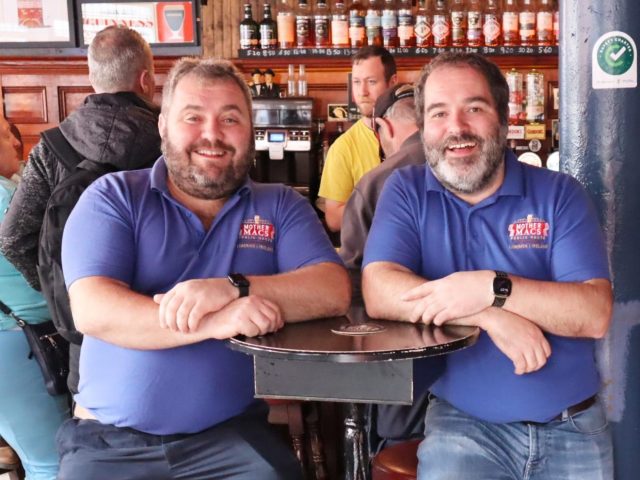
Mike McMahon, co-owner of Mother Macs, Limerick, said trade was currently “quite strong”. But added that this could change on a week-by-week basis, and worried the pub “could fall back into less good times”.
Since 2019, McMahon has seen operating costs spike by 40%. “It costs me more to have staff, to pay utility bills – your light, heat and gas. It becomes a challenge,” he said.
Partner Content


Among the pubs that shut in recent months are Lizzie Keogh’s in Baltinglass, Co Wicklow, The Hole in the Wall in Drogheda, Co Louth, The Living Room, off Dublin’s O’Connell Street, and Katie Daly’s in Gorey, Co Wexford.
Government must ‘act now’
The average number of Irish pub closures per year hit 112, with the average climbing to 128 between 2019 and 2024.
DIGI secretary Donall O’Keeffe blamed the slew of closures on high costs imposed by the state, including taxes and regulatory burdens. He worried another 1,000 pubs could close without intervention.
He said: The government could improve commercial viability overnight by cutting excise by 10%. With Irish consumption of alcohol having fallen to average EU levels, and likely to continue dropping, it is no longer justifiable that pubs should be faced with the second-highest excise rates in Europe.
“This is on top of a hefty 23% VAT rate. The time for the Government to act is now before it is too late.”
What does it mean to be an Irish pub?
Last year, DIGI surveyed operators on their biggest challenges. It found nearly one in four had seen their business costs rise 20-30% over the past two years.
Added to this, 15% admitted their business costs had climbed by 40% over the same timeframe, not helped by the fact that there was a downward trend in drinking.
Speaking to db, Foley said the role of the Irish pub has shifted over the past 20 years. Not only does it cost more to run a pub, but they’re also more food-orientated.
Due to this, he predicted “wet-led” venues would face increasing hardship. He advised pubs to be “innovative, effective and cost-effective”, as well as meeting the market’s demands.
Related news
Two pubs close a day in UK despite rates relief
People will drink in local brewery taprooms if pubs keep ignoring independent beer


