



Industry slams ‘hospitality zones’ plan calling it ‘tokenistic’
The hospitality industry has vocalised its collective dismay in response to the government’s newest intiative on how to save the sector.
The backlash followed the government recently revealing plans to roll out “hospitality zones” across the UK to allow pubs and clubs to open in empty shops and operate with longer opening hours.
The situation arose after the government stated that communities and town centres across the UK would be set to benefit from a wave of new cafes, bars, music venues and outdoor dining options, as the government slashes red tape to breathe new life into the high street.
Business and trade secretary Jonathan Reynolds had said: “This government has a plan to replace shuttered up shops with vibrant places to socialise turning them into thriving cafés or busy bars, which supports local jobs and gives people a place to get together and catch up over a beer or a coffee. Red tape has stood in the way of people’s business ideas for too long. Today we’re slashing those barriers to giving small business owners the freedom to flourish.”
In the communication about the plan, Chancellor of the Exchequer Rachel Reeves had added: “Whether it’s cheering on the Lionesses or catching up with friends, our pubs and bars are at the heart of British life. For too long, they’ve been stifled by clunky, outdated rules. We’re binning them – to protect pavement pints, al fresco dining and street parties – not just for the summer, but all year round. Through our Plan for Change, we’re backing small businesses and bringing good times back to the high street.”
However, speaking on social media platform X, Loungers co-founder Alex Reilley responded to statements about the new plans from the government, describing the move as “utter nonsense”.
Reilley, who is no stranger to applying for changes of licence for high street properties since it was part of the business model for many of his Loungers sites, highlighted how the suggestion of lifting this “red tape” to assist in hospitality businesses thriving was actually a reflection of a cabinet that did not see how its own taxation system was what was “willfully crushing” the sector.
Reilley insisted: “This is just utter nonsense” and asked how, with the government “knowingly taxing hospitality businesses out of business, why would anyone want to open a hospitality start-up?”
Reilley, instead, noted that the government was “willfully crushing ambition and penalising job-creators and this policy is just tokenistic”.
Partner Content


Former Shepherd Neame managing director Jonathon Swaine chimed in and stated that the cabinet “doesn’t understand business / the economy”. According to Swaine the government needed to “bring in serious weight to advise them” and lamented that “growth is evaporating”.
Creative Hospitality Group CEO Bruno Nunes echoed that the suggestion was “tokenism, so they can sing loud at the altar of being pro-business and pro-hospitality”.
Nunes however explained: “Every time they’ll be challenged about where’s the support for hospitality or over-taxing and legislative burden of the sector, you’ll hear on repeat about the alfresco initiatives in London, late opening for the Lionesses final and now, allowing retail space to convert to hospitality.”
The Grill Pub Co managing director Leon Samuel Burton pointed out: “It’s important our trade bodies don’t start fawning over this as support for hospitality, it will give a green light for us to be ignored in the Budget. There is no genuine support until VAT, business rates and ENICs have been dealt with.”
Recent BBPA data which assessed more than 20,000 pubs across Britain, has already forecast that 378 pubs will close this year across England, Wales, and Scotland. A number of hospitality business closures that would then also result in more than 5,600 people losing their jobs.
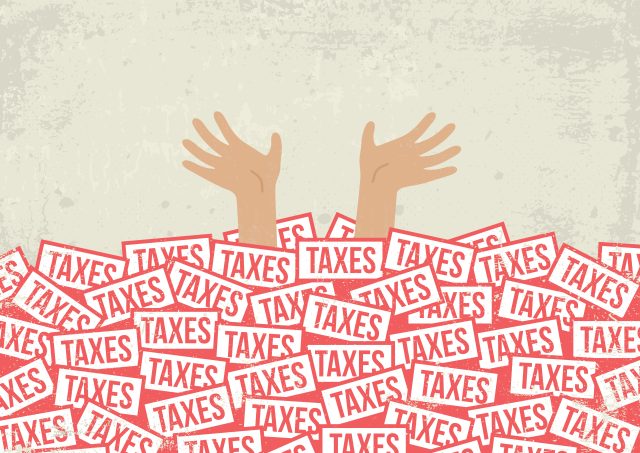
For a long time now, the associations representing the industry along with industry leaders have asked the government to step in and limit the damage by reforming the crippling business rates that are severely impacting the hospitality industry – one of the most highly taxed sectors in the UK.
In a separate statement on the day the plans went live, UKHospitality chairwoman Kate Nicholls indicated how, although support was welcomed, the suggested new plans fell short and highlighted the crux of the situation – more action was needed to assist in revising crippling taxes for the industry.
Assessing the new plan, Nicholls succinctly stated: “They can’t on their own offset the immediate and mounting cost pressures facing hospitality businesses which threaten to tax out of existence the businesses and jobs that today’s announcement seeks to support.”
Related news
All the new Michelin-starred restaurants in Britain and Ireland for 2026



We are a small independent restaurant I met with my local MP to talk about the struggles we face.
Too many obstacles have continued to grow over the last 5-6 years. Initially brexit, covid, cost of living, now Enic, minimum wage, new recycling rules, and soon the new employees rights bill.
The larger chains have an advantage they have more flexibility and backers to keep them viable.
The small owners work long hours on less than the mininum age. There is nothing that the government has announced that will help us the small independent which will help. Ridiculous ideas about supporting small businesses including exporting. Helping with free insulation surveys!!! They have promised help to some businesses for energy costs, but not for hospitality. The new idea for government funded restaurants. New businesses in the high street might be taken up by the larger chains but not small independent businesses it’s just not viable choice for small new business any more.
My meeting was unproductive and a waste of time they just don’t care about small business. In fact I feel they just don’t want us.
They don’t realise how extremely important we are to our community employing local people, many part timers, on flexible hours. We live in the community and they care about us but there is only so much they can do as with everyone they cant visit us as often as they’d like.
We are currently busy but it’s not without sacrifice, my husband is the chef, and I’m out front, working with less staff can only continue for so long as if either of us are not able to work through sickness then the business would have to close.
We are running a tight rope that may end in disaster, and we are not the only ones.