



‘Darkest before the dawn’: fine wine’s sound fundamentals
After an unprecedented two-and-a-half years of declines in the fine wine market, the path forwards is inevitably an uncertain one. But the underlying attractiveness of the category remains undimmed, according to Bordeaux Index – and the scent of recovery may just be in the air. Richard Woodard reports.

From en primeur apathy to tariffs and geopolitical tensions, a number of factors have underpinned the fine wine market’s decline over the past couple of years. As such, it comes as something of a surprise to read a rather positive quarterly report from fine wine investment firm WineCap, highlighting fine wine’s status as the most sought-after collectible among UK high-net-worth individuals (HNWIs).
Quoting its own 2025 UK Wealth Report, WineCap says 96% of wealth managers expect demand for fine wine to grow during 2025 – more than for any other luxury asset – with 80% saying that fine wine’s exemption from Capital Gains Tax (CGT) as a ‘wasting asset’ is driving renewed investor interest as tax rules are tightened.
While acknowledging that short-term volatility and trade disruptions have created a subdued environment, WineCap emphasises the attractiveness of “wine’s stability and resilience”, adding that price drops may encourage people to see now as an attractive entry point.
Is such optimism well-founded? Well, up to a point, according to Matthew O’Connell, head of investment at Bordeaux Index and CEO of the company’s LiveTrade platform. “It’s hard to be overly optimistic, given the recent market headwinds but, as the saying goes, it’s always darkest before the dawn,” he says.
“We’ve now been in a declining wine market for over 30 months, which is unprecedented by historical standards. The uncomfortable reality is that most young Bordeaux is now trading below release price but, where pricing aligns with market reality, buyers are willing and able to act.
“Indeed, stock depletion has been the dominant trend over the past two-plus years and, at some point, this process must reverse. Whether we’ve reached market bottom remains to be seen, but we’re confident that genuinely top, blue-chip wines, now at far more compelling prices, will continue to find an enthusiastic audience.”
WineCap also draws attention to a generational shift, with younger, tech-enabled Millennial and Gen Z investors increasingly embracing wine as a financial instrument. To O’Connell, making wine buying easy, transparent and engaging is “no longer optional; it’s a basic expectation for today’s consumer”.
However, he adds: “The fine wine market has been slow to modernise, particularly in areas where digital convenience should be standard. Improving market infrastructure through improved portfolio management and efficient trading, as we offer on our LiveTrade online platform, is crucial to broadening the product’s appeal to a younger, tech-savvy audience.”
Tariff challenge
Partner Content



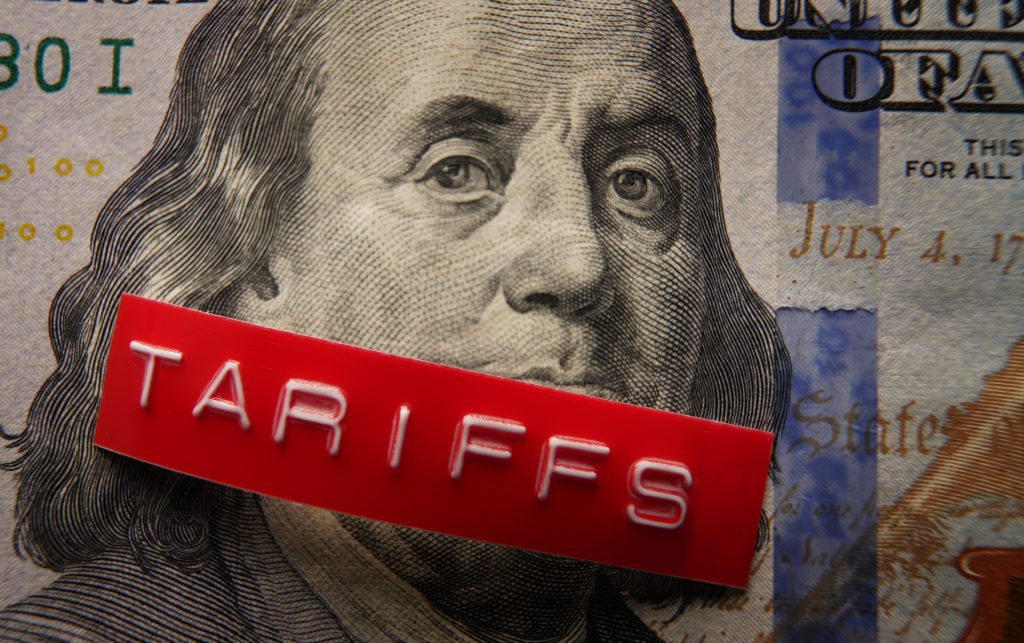
Since the beginning of Donald Trump’s second term as US President, this complex trading environment has had to cope with another challenge: tariffs. This has impacted the market in two ways: through the increased direct cost of additional taxes for US-based customers; and through the uncertainty inherent in a fast-changing tariff picture, which offers little long-term security.
“For long-term private collectors and investors, this is less of a concern, as they tend to look beyond short-term fluctuations,” points out O’Connell. “But for merchants, who operate with tighter timelines, the uncertainty is certainly disruptive.”
At such a volatile and difficult time for the fine wine market, many eyes looked to this year’s Bordeaux en primeur campaign as a potential means of reviving interest through the realistic pricing of a heterogeneous vintage in quality terms. Was that expectation met? O’Connell thinks not.
“The admittedly ambitious goal for en primeur 2024 was to begin re-energising the market – to give customers a renewed reason to be enthused about Bordeaux,” he explains. “With a few notable exceptions – Lafite and Les Carmes Haut-Brion come to mind – the campaign has fallen well short. Price cuts of 20%–30% versus last year signalled intent, but didn’t go nearly far enough to reignite meaningful demand.
“While it’s true that, in relative terms, top Bordeaux is significantly undervalued compared to a lot of Burgundy, Piedmont or Napa, that value gap alone has not yet been enough to drive sustained buying. The opportunity is there, but – so far – the market isn’t buying it.”
The overall tenor of the WineCap report tempers realism about the short-term difficulties facing the fine wine market with optimism that its fundamentals remain intact – and that now could be the time for a bounce-back. The report notes: “In short, while the market remains in a momentary phase of recalibration, Q2 may offer the first signs of recovery if the right tone is struck.”
Leaving aside the thought that 30 months of declines may constitute more than a “momentary phase of recalibration”, O’Connell only partly endorses those sentiments. “Given prevailing geopolitical tensions, new economic realities and the difficulties of the past few years, it’s difficult to fully share their optimism,” he says.
“However, the core fundamentals of fine wine remain intact: limited production, finite availability and enduring global demand. Viewed over multiple decades, periods of decline are consistently followed by phases of strong growth, and we see no reason to doubt the resilience of this pattern. It is also important not to treat the fine wine segment too homogenously: while Bordeaux may be down in price on a ‘last five years’ basis, there are very few top Burgundies, Champagnes or Tuscan wines which share that fact pattern – for them, the more recent price declines have only partially reversed far bigger gains.
“It does also merit note that the steady flow of trades in super-premium Burgundy and mature Bordeaux that we witness weekly reinforces our belief that a broader recovery may not be too far off. When it does come, we expect the rewards for those with strategic exposure to be especially strong.”
Related news
Garcés Silva: fresh thinking from Leyda
Christie's to sell Burgundies from renowned British collector Ian Mill KC


