



China tariffs: should exempted Cognac brands be celebrating?
China has reached its “final ruling” on EU brandy tariffs, exempting Cognac’s three biggest brands from the punitive duties. But to what degree will this shield them from impact? Ron Emler reports.
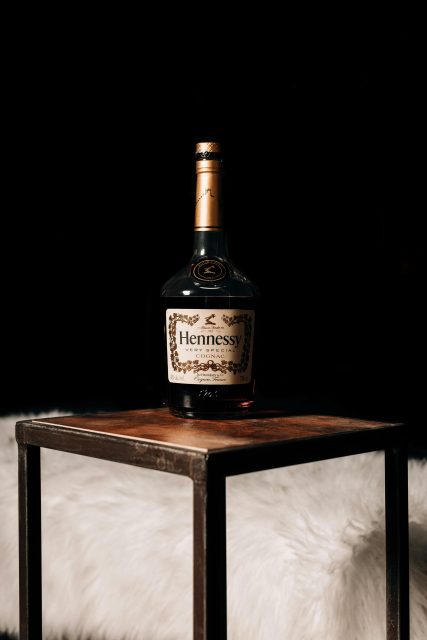
China has gone ahead with levying duties of up to 34.9% for five years on brandies originating in the European Union, but it has exempted Cognac’s three big brands from the charges in return for them imposing minimum prices on exports to the People’s Republic.
China’s Commerce Ministry said this was part of the “final ruling” in its 18-month investigation into alleged dumping of brandy. However, it declined to detail the minimum prices agreed by Rémy Cointreau (parent company of Rémy Martin, the biggest brand in China), Pernod Ricard (Martell) and LVMH (Hennessy).
However, sources close to the negotiations had said previously that the Cognac companies had offered minimum prices ranging from CNY46 (£4.72) per litre for VS to CNY613 (£62.88) for premium XXO. Beijing is unlikely to have accepted anything lower.
As part of the agreement, China will refund deposits paid since last October, when provisional duties were imposed.
The refund issue, which particularly hit smaller producers, was one of the sticking points in the negotiations. The smaller producers were less able to bear the financial strain of the need to pay deposits to continue sending shipments to China.
Beijing launched its anti-dumping probe on EU brandy in January 2024 in retaliation for the EU levying tariffs on Chinese-made electric vehicles and components, which Brussels said were unfairly affecting European motor manufacturers.
That wrangle continues and will be central to a trade summit between the two sides at the end of this month with the fate of some smaller Cognac producers resting on the outcome.
The Bureau National Interprofessionnel du Cognac (BNIC), Cognac’s trade body, said that the deal for minimum price commitments was “less unfavourable” than anti-dumping duties, but still worse for its members than the position before the investigation.
“This is why we renew our call to the French government and the European Commission to reach a political agreement with the Chinese authorities as soon as possible to return to a situation without anti-dumping duties,” it said.
The BNIC has previously claimed that the industry had been losing the equivalent of nearly US$60 million per month in sales to China and claimed that the big producers had signed the price commitments “to avoid seeing their presence in China completely jeopardised.”
Before the wrangle began, Cognac sales to China were worth about €1.4 billion (£1.2bn) a year.
Partner Content
Bracing for impact
Smaller houses now face a stark choice between absorbing the higher costs of the tariffs or retreating from China’s lucrative market, the world’s biggest market for Cognac in value terms.
Rémy Cointreau said that the deal on minimum price commitments constituted “a substantially less punitive alternative” thus enabling “the strengthening of some investments in China”.
Pernod Ricard said it regrets the increase in the cost of operating in China but the additional costs are significantly less than they would have been if the tariffs had been made permanent.
In their statements, both companies reiterated their strong rejections of China’s charges that they had been involved in dumping product in China.
The agreement had only minimal effect on the producers’ share prices and investors are now waiting for the first indications of its impact when Rémy Cointreau issues quarterly figures later this month. These, it says, will be accompanied by a revised forecast.
Growing competition
But the agreement is unlikely to see Cognac sales in China suddenly return to the previous norm. For a start, the agreement does not encompass sales via the travel retail sector, which accounts for about 20% of Cognac sales to the Chinese market.
While the inevitable price rises for Cognac will have a negative impact on demand, the big players will also face operational challenges in the market.
Adhering to the minimum prices may limit their ability to compete in promotional activities at the same time as other categories of luxury spirits are stepping up their activities in China unencumbered by tariffs.
Bourbon is targeting Chinese drinkers seeking luxury alternatives. Brands such as Brown-Forman’s Jack Daniel’s and Suntory’s Jim Beam are already expanding their distribution in China, intent on capitalising on the 20% annual growth rate for premium American whiskeys in Asia.
At the same time, Chinese drinkers are reluctant to spend as Beijing cracks down on ostentation and gifting. This is evidenced by the continuing slide in the wholesale price of the prized baijius of Kweichow Moutai.
Meanwhile, all Cognac producers are faced with excess stock levels at a time when the prospect of punitive tariffs in the US continue to loom over them.
Related news
Why comfort-food cocktails are dominating bar menus in 2025
Chivas Brothers weathers mixed markets as first half sales fall 5%


