



Barolo star rocks out to ‘gorgeous freshness’ of 2021
Producer GD Vajra has released wines from Barolo’s acclaimed 2021 vintage, summing up the personality of each single vineyard expression with a metaphorical soundtrack that ranged from AC/DC to Pink Floyd and Eric Clapton. Gabriel Stone reports.
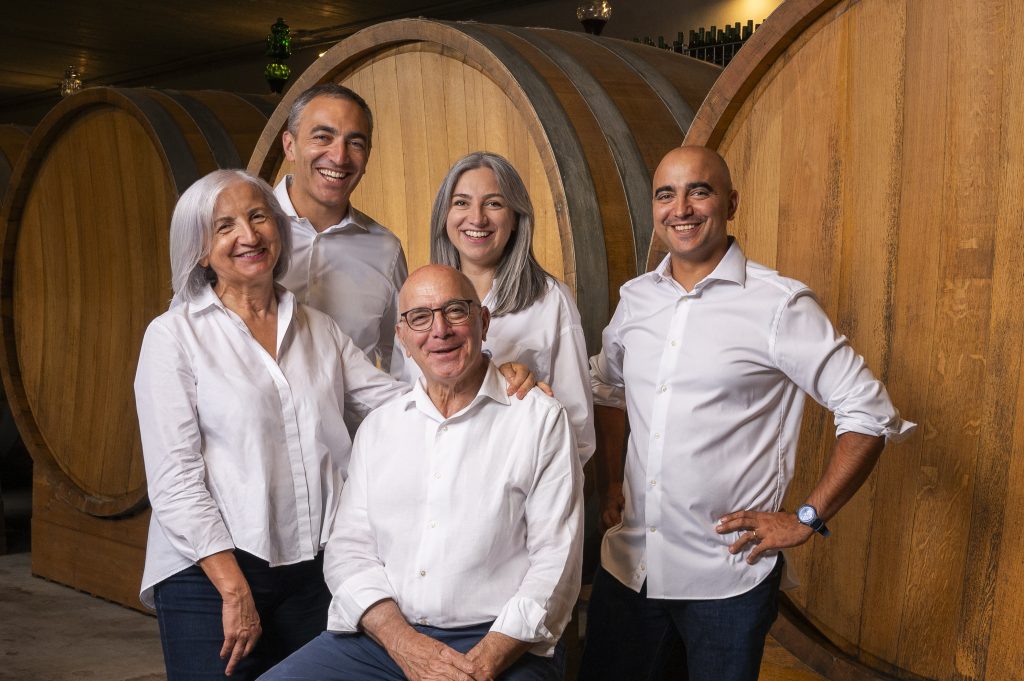
Winemaker Giuseppe Vajra identified three key moments that determined the character of these 2021 wines: a cold spring, a dry August and the extended skin contact that was enabled by these late season growing conditions.
A cold start to 2021 meant that flowering took place at the very end of March, more than two weeks later than in 2020. “Flowering is the imprinting of the vintage,” observed Vajra. In colder springs such as 2021 he explained: “We end up with fewer berries and they tend to be smaller.” As a result, “We feel we have more structure and density in the wines.”
The dry August then led to lower levels of both potassium and nitrogen in the grapes. The former, explained Vajra, “means sustained natural acidities; we have freshness in the wines, which is great news.” Meanwhile depleted potassium levels resulted in “slower and longer fermentations.”
Despite joking that fears of a stuck fermentation “are ideal for the grey hair of the winemakers,” Vajra added, “the beauty of a slow fermentation is the complexity we get through it.” This slow fermentation also prolonged the grape must’s skin contact, which again, he explained, “allows for this superior complexity.”
Vajra set his 2021 Barolos within the stylistic context of the two preceding vintages, remarking: “2020 offers more of the fruity element, ‘21 offers an added layer of structure.” However, he flagged 2019 as “the most structured of the three.” By contrast, Vajra suggested, “2020 is all about the charm of this very flowery vintage,” while 2021 “sits somewhere in between.”
In particular, Vajra enthused about the “gorgeous freshness” to be found across 2021 Barolos. “You would almost be convinced it came from a warmer vintage,” he remarked.
Introducing Coste di Rose, which joined the portfolio in 2015, Vajra described this small, secluded vineyard as a “hidden gem” sandwiched between Barolo’s higher profile Cannubi and Bussia sites.
Partner Content
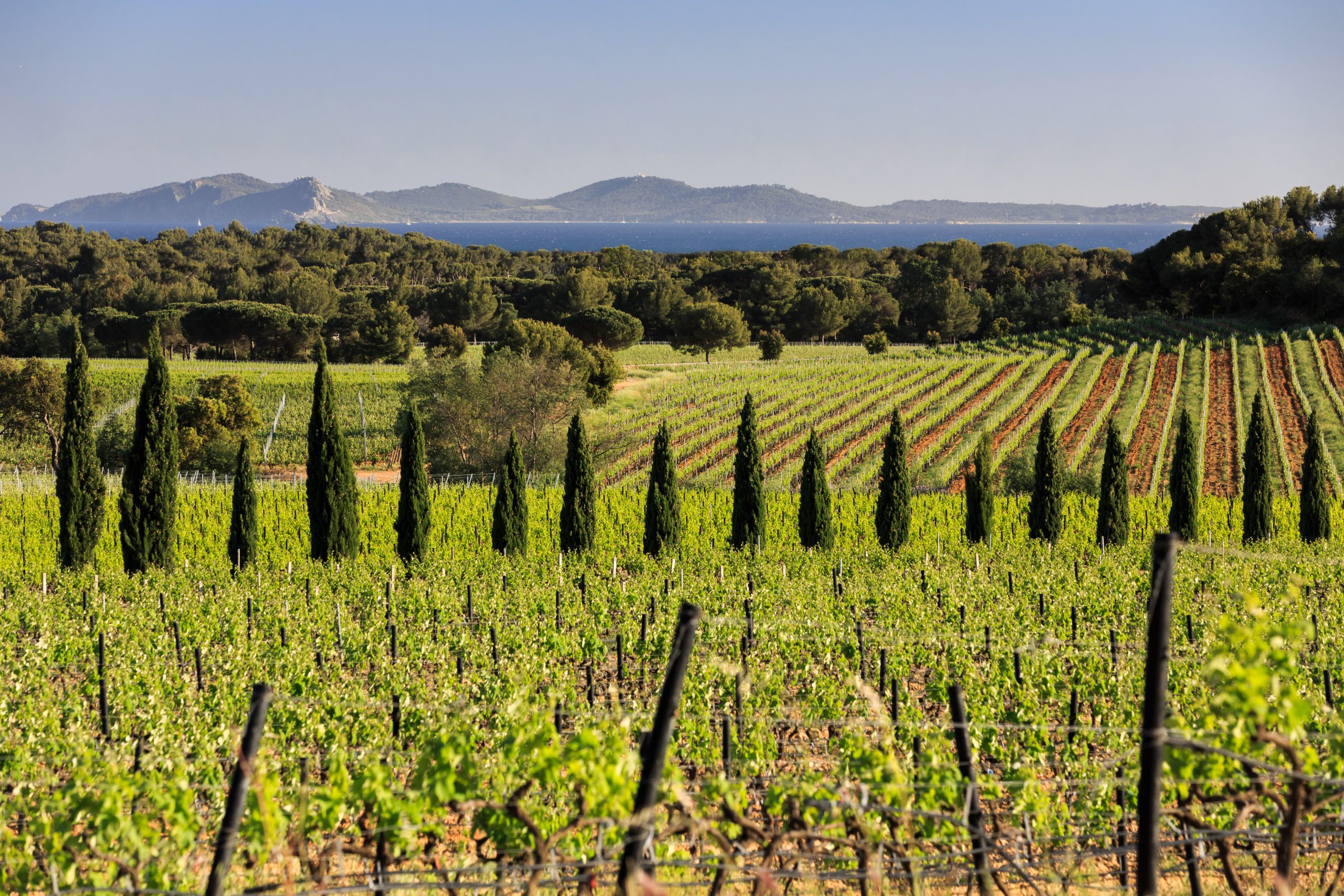
Admitting that the family had been “amazed” by these vines’ resilience against hydric stress in such sandy soil, Vajra attributed this sand influence to a wine that is the “most aromatic” and “least tannic” of the range. “The Barolo to drink on a summer Sunday lunch,” he suggested; “maybe not exactly your rich dining experience for your usual Barolo.”
By contrast, Vajra flagged iron as the key to the personality of wine from the Ravera vineyard, which lies in a heat-retaining hillside amphitheatre on Barolo’s south-western border. “That iron just gives a kick to the sound of Nebbiolo,” he said, drawing a parallel with AC/DC guitarist Angus Young. “This for me is a wine for the night, a wine for a table that is not in a rush.”
For the producer’s Bricco delle Viole, Vajra extended his musical metaphor to draw parallels with Pink Floyd. “It’s Rock music, but with a depth of lyrics and complexity,” he explained. At the heart of this “more romantic” personality lies a “millefeuille” of fine marl and exposure to cool afternoon winds from the Alps. In 2021 the producer was able to buy an additional small parcel of old vines planted in 1931, which further enhanced this year’s single vineyard expression.
Since 2009 the Vajra family has also managed operations for another Barolo producer, Luigi Baudana of Serralunga d’Alba. Showing this property’s 2021 from the Baudana vineyard, which shares a name with its long-term owner, Vajra maintained his musical frame of reference. “If the Vajra Barolos were Classic Rock, when we move to Serralunga we’re into the Blues section, whether it’s Eric Clapton or maybe Steve Ray Vaughan” he remarked. “That sense of heat, dust, summer, spice, tar, floral potpourri.”
Alongside these four single vineyard expressions, Vajra showed the family’s Albe Barolo. Translating as “dawns”, the wine’s name refers to the striking sunrises that can be enjoyed from each of the three vineyards – Fossati, La Volta and Coste di Vergne – whose grapes contribute to this blend.
Vajra described the wine as “born out of a rebellious desire to create a Barolo that could be colourful yet very traditional.” First made in 2000, Albe bucked the trend at a time when many producers in the DOCG had embraced single vineyard expressions and more modern techniques such as shorter skin contact and new barrels. Yet the results “were not resonating” at GD Vajra so instead the family used Albe to celebrate their region’s heritage. “We wanted to reaffirm the beauty and harmony that can be achieved by blending vineyards,” explained Vajra.
As for the swing he has since observed back towards “cooler, fresher, less extracted” wines, Vajra expressed wariness of simply embracing the opposite extreme to 20 years ago. “There is a cliff at the end of that fresher trend,” he warned. “When we get too much into that infusion style it might be very compelling, modern wine but it might lose the roots, it might lose a connection to the place.”


